Versatile Installation and Design Flexibility
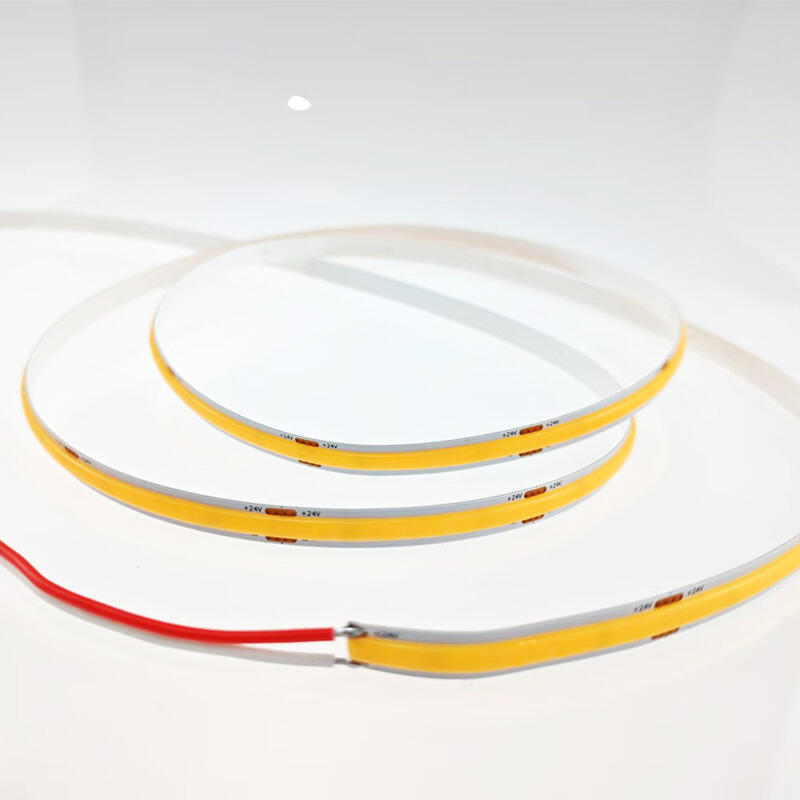
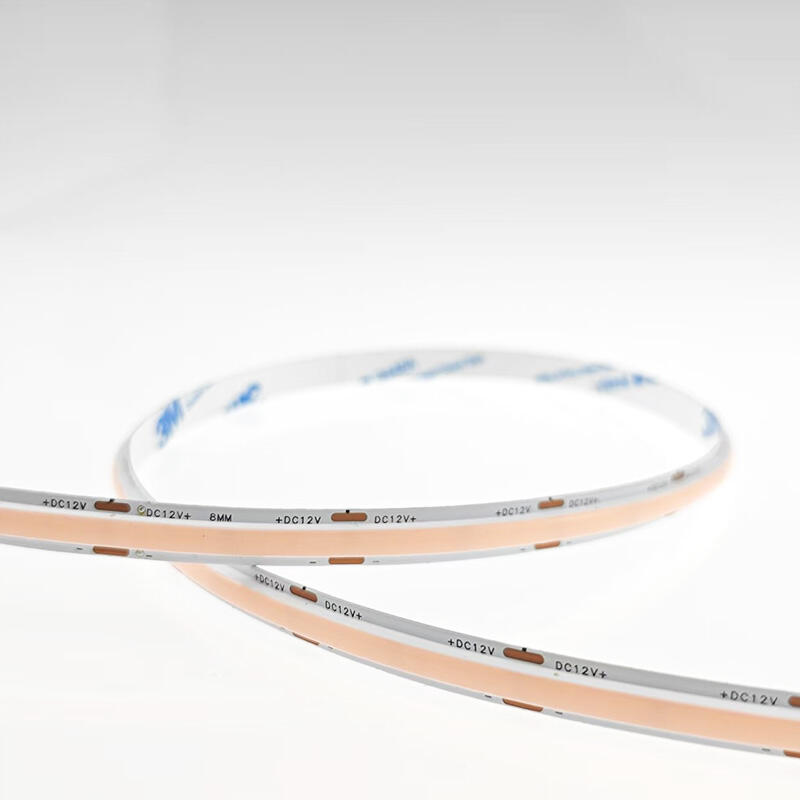
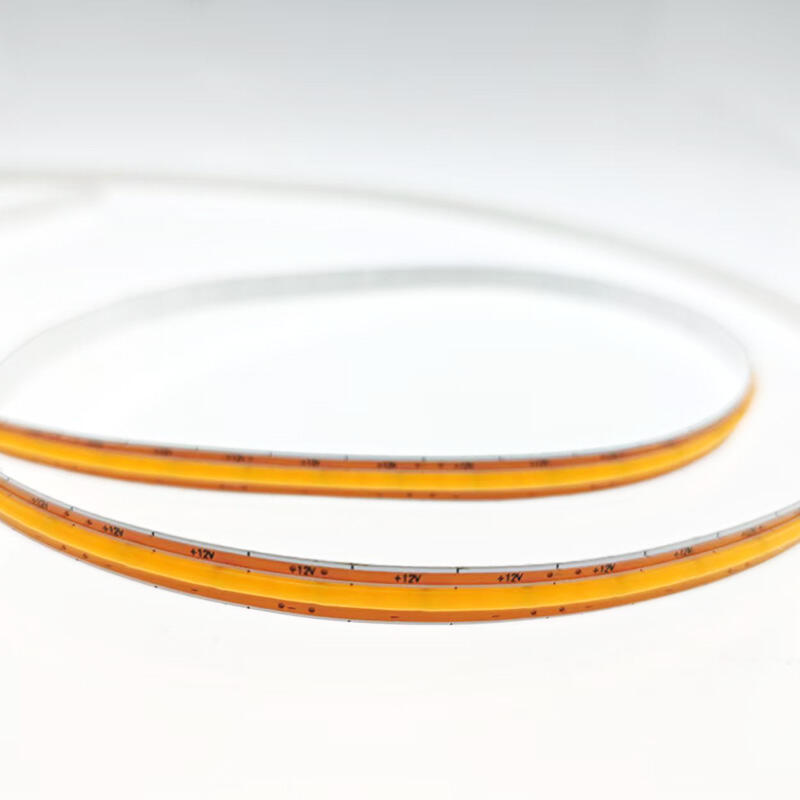
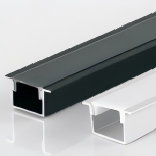
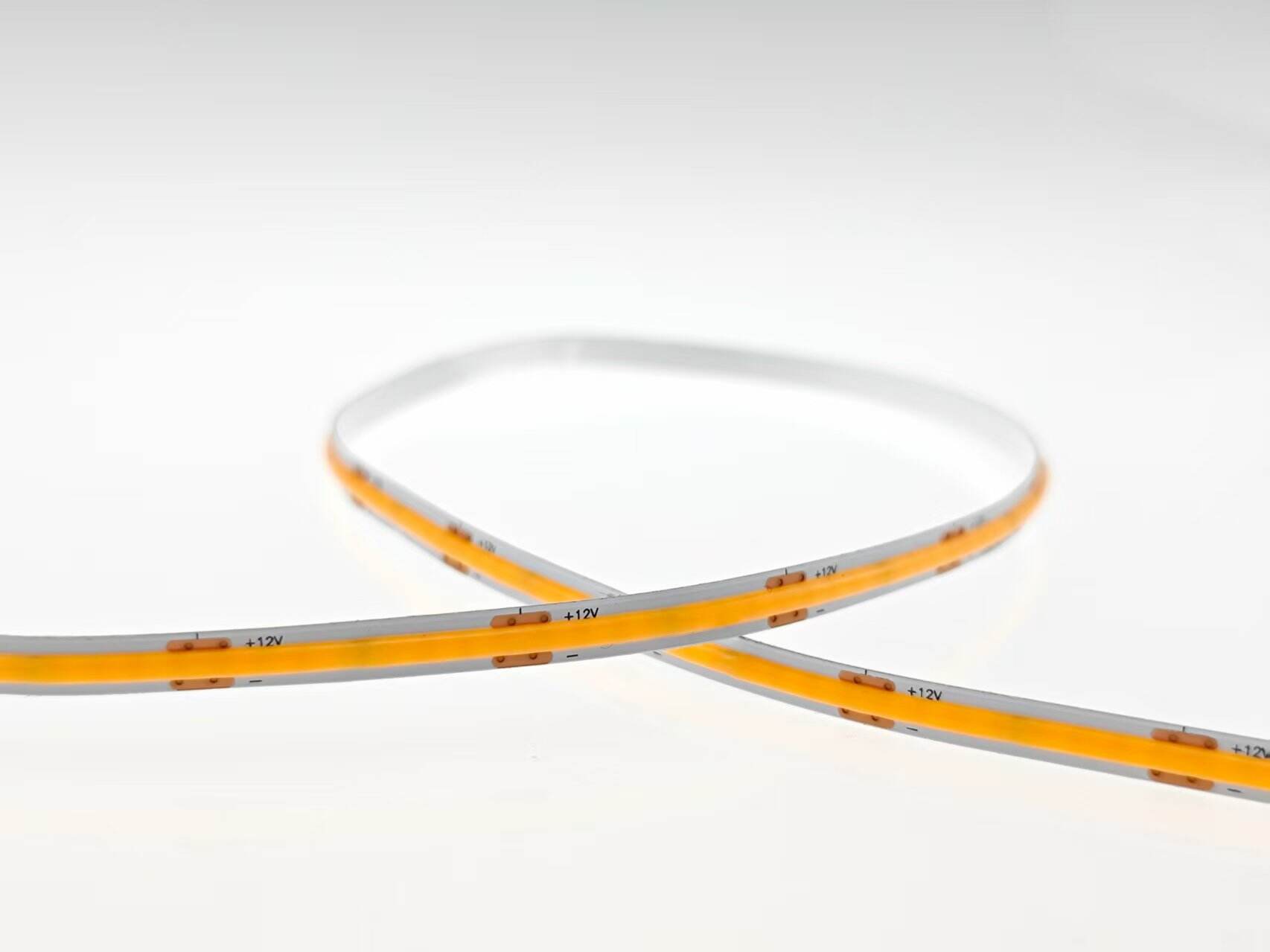
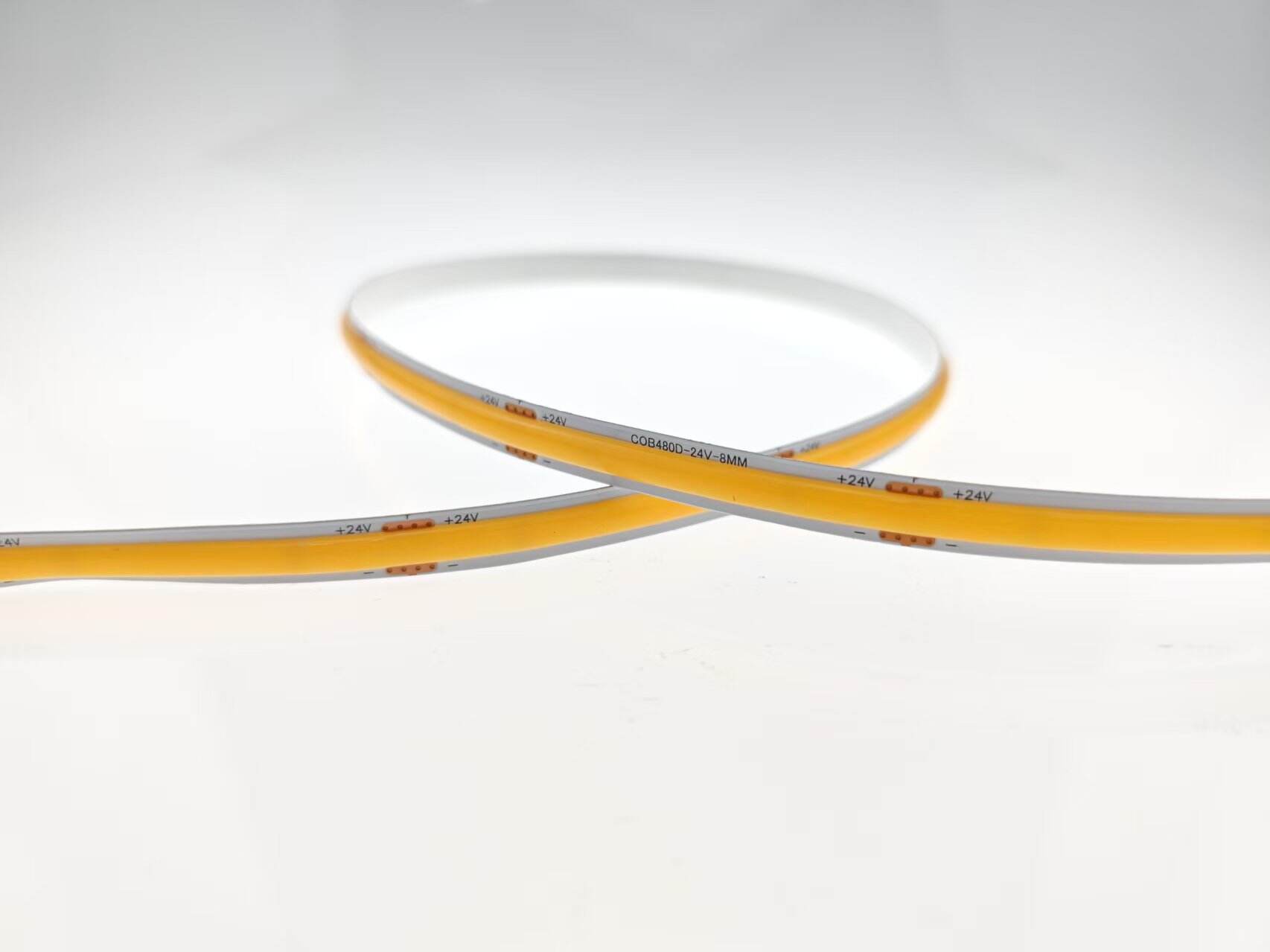
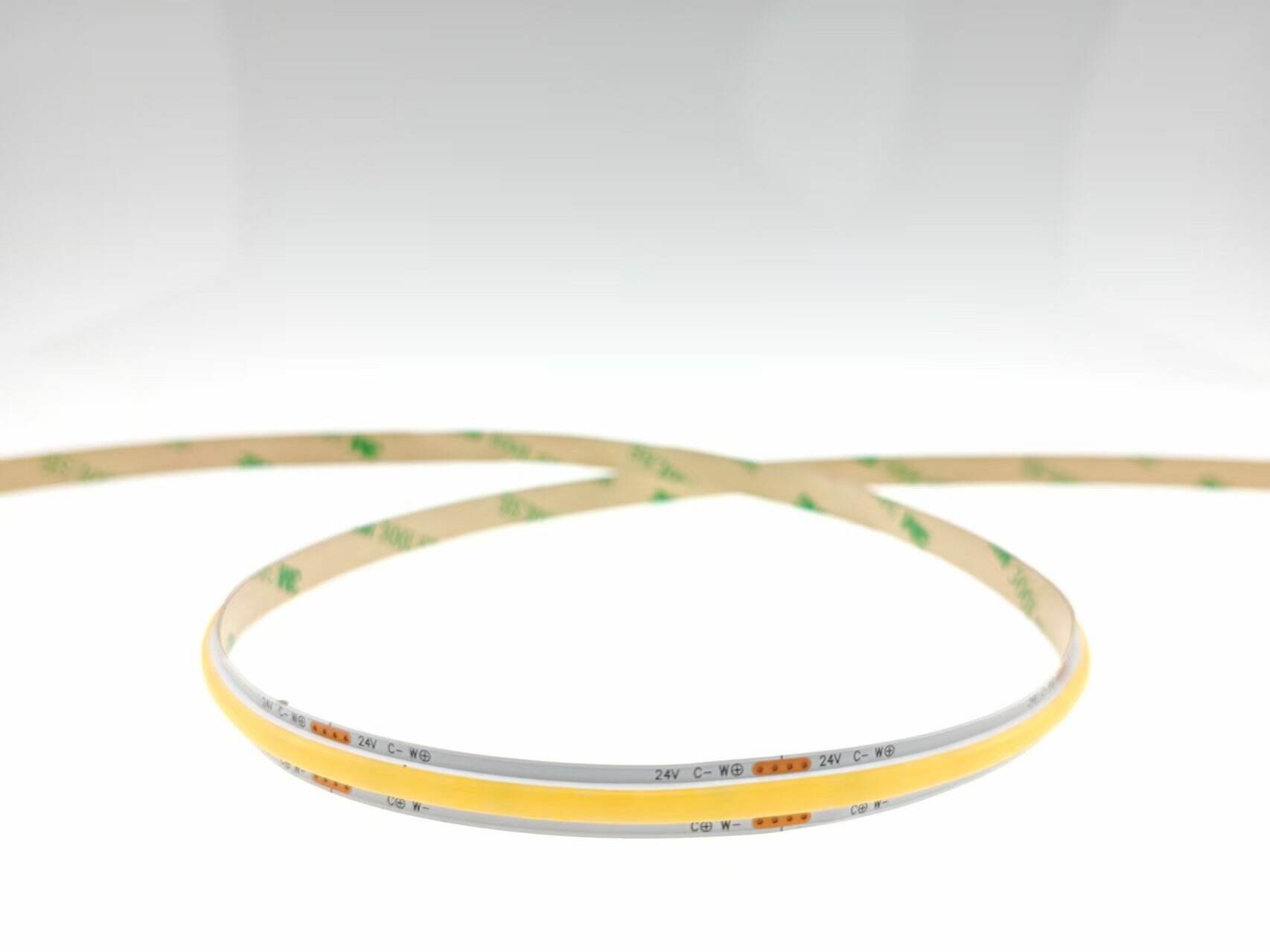
The remarkable installation versatility and design flexibility of the cob light led strip opens unlimited creative possibilities for lighting designers, architects, and homeowners seeking innovative illumination solutions. The flexible substrate construction allows the cob light led strip to conform to curved surfaces, corners, and irregular shapes that rigid fixtures cannot accommodate, enabling seamless integration into complex architectural elements and furniture designs. This adaptability makes it possible to create continuous lighting effects around curved ceilings, spiral staircases, rounded columns, and custom millwork without visible joints or interruptions. The ultra-thin profile, typically measuring just a few millimeters in height, allows installation in extremely confined spaces such as toe-kick areas under cabinets, inside aluminum channels for recessed mounting, or between closely spaced shelving where traditional fixtures would not fit. The self-adhesive backing eliminates the need for mounting brackets, screws, or complex installation procedures, allowing quick and clean installations that can be completed without specialized tools or extensive electrical work. Cut-to-length capability at designated intervals provides precise sizing for any application, minimizing waste and ensuring perfect fit for specific project requirements. The cob light led strip can be easily incorporated into existing structures through retrofit installations, breathing new life into older buildings without major renovations. Multiple mounting options include surface mounting, recessed installation in aluminum profiles, magnetic mounting systems, and suspension applications that adapt to various architectural requirements. The low-voltage operation ensures safe installation in moisture-prone areas like bathrooms and kitchens when properly protected with appropriate IP-rated housings. Professional installers appreciate the rapid deployment capabilities that reduce labor time and project costs, while the clean aesthetic integration enhances rather than detracts from architectural design intentions. The modular nature allows scalable installations that can be expanded or modified as needs change, providing long-term adaptability for evolving lighting requirements.
 EN
EN