led low voltage strip lights
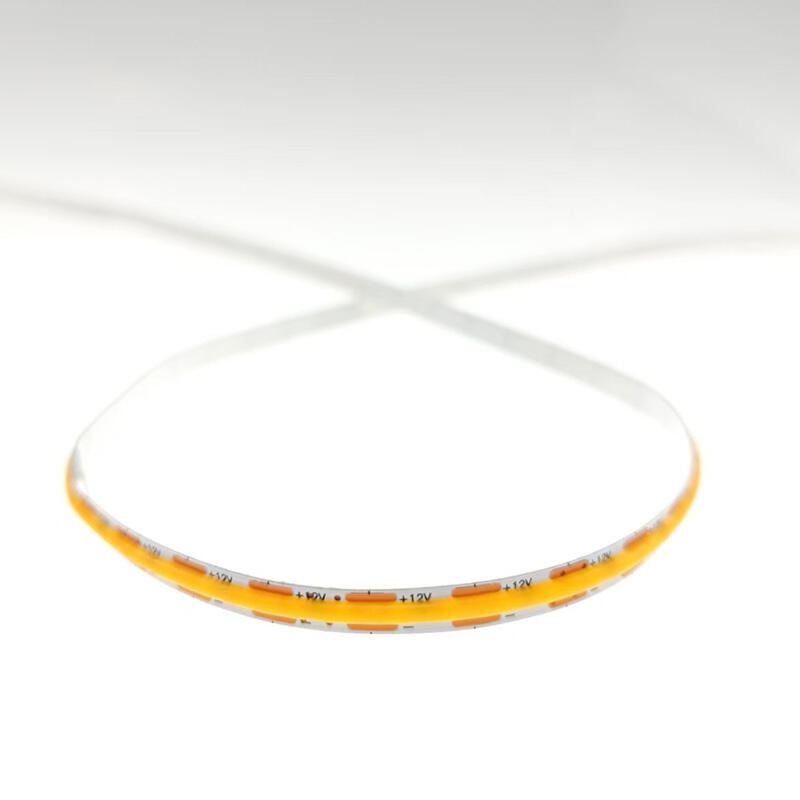
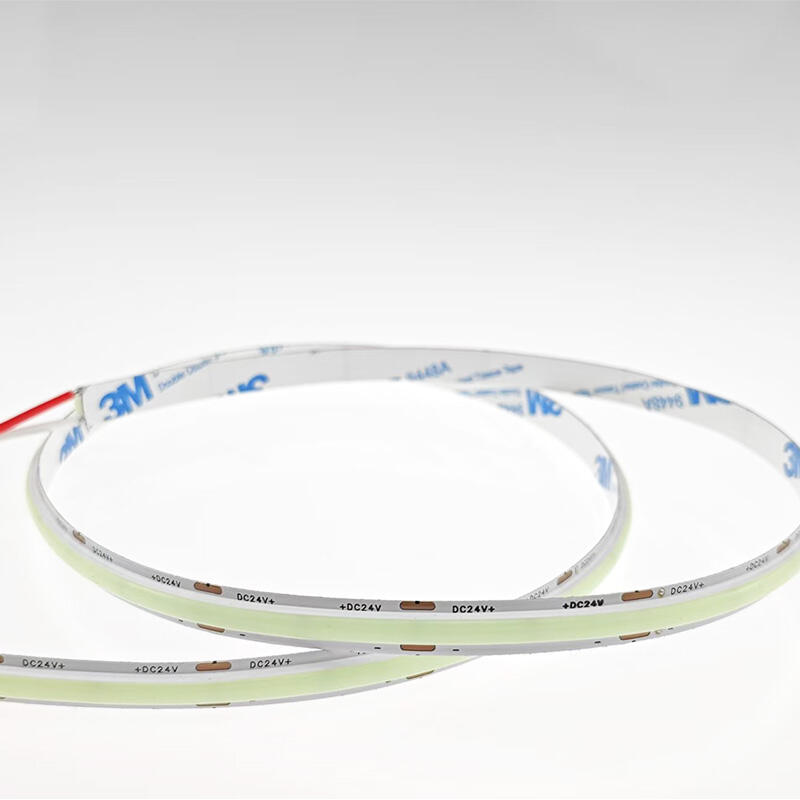
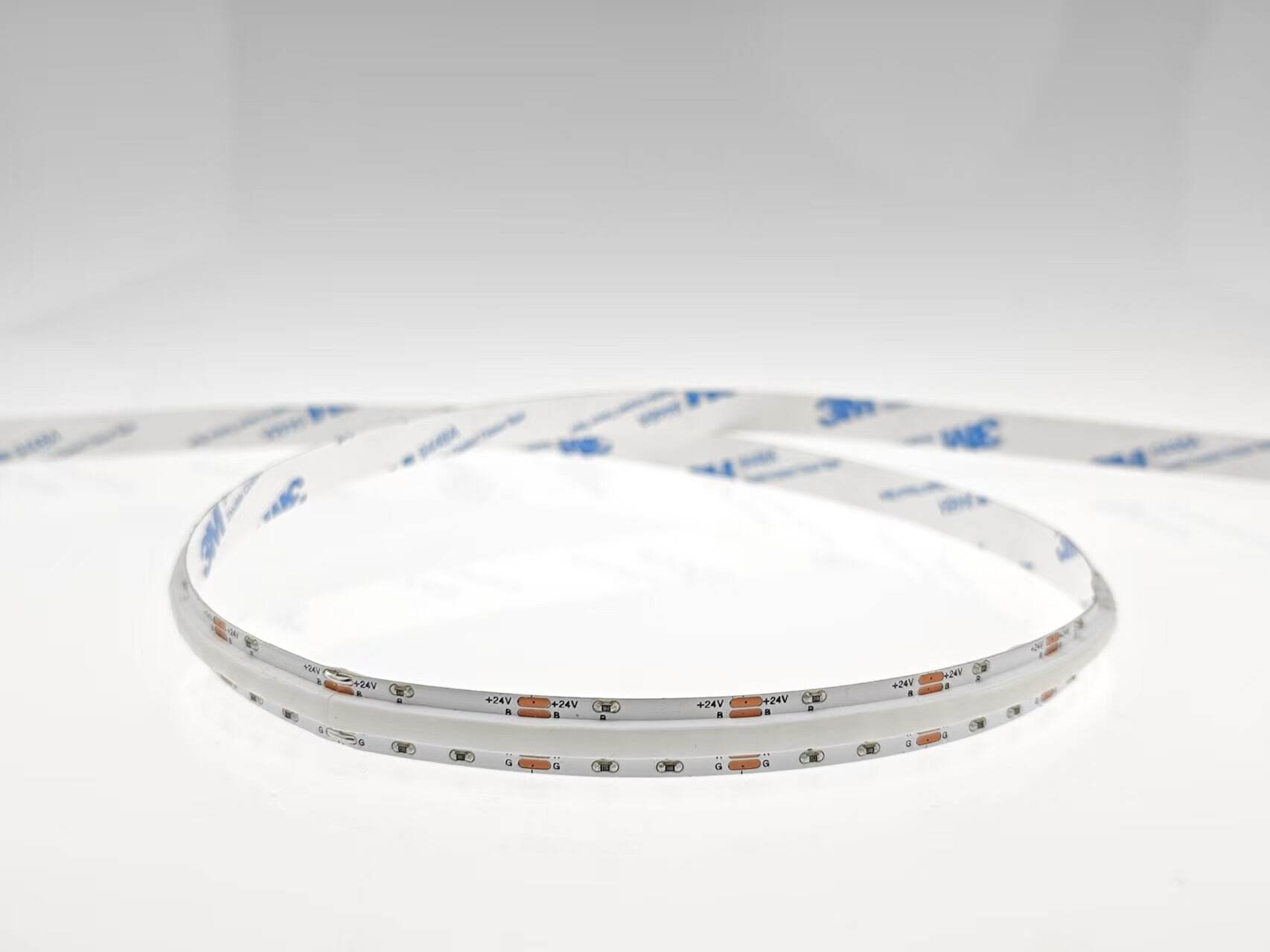
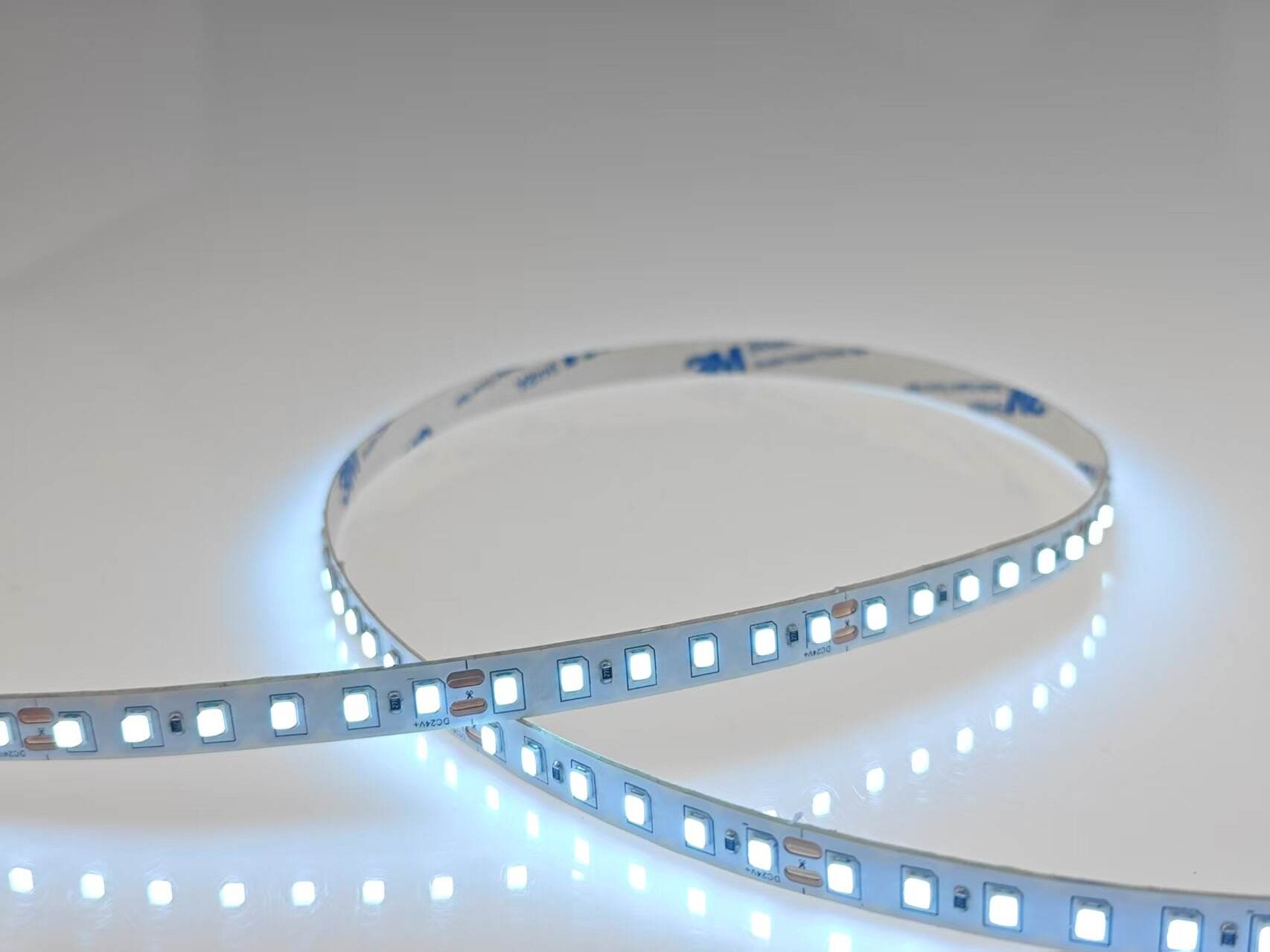
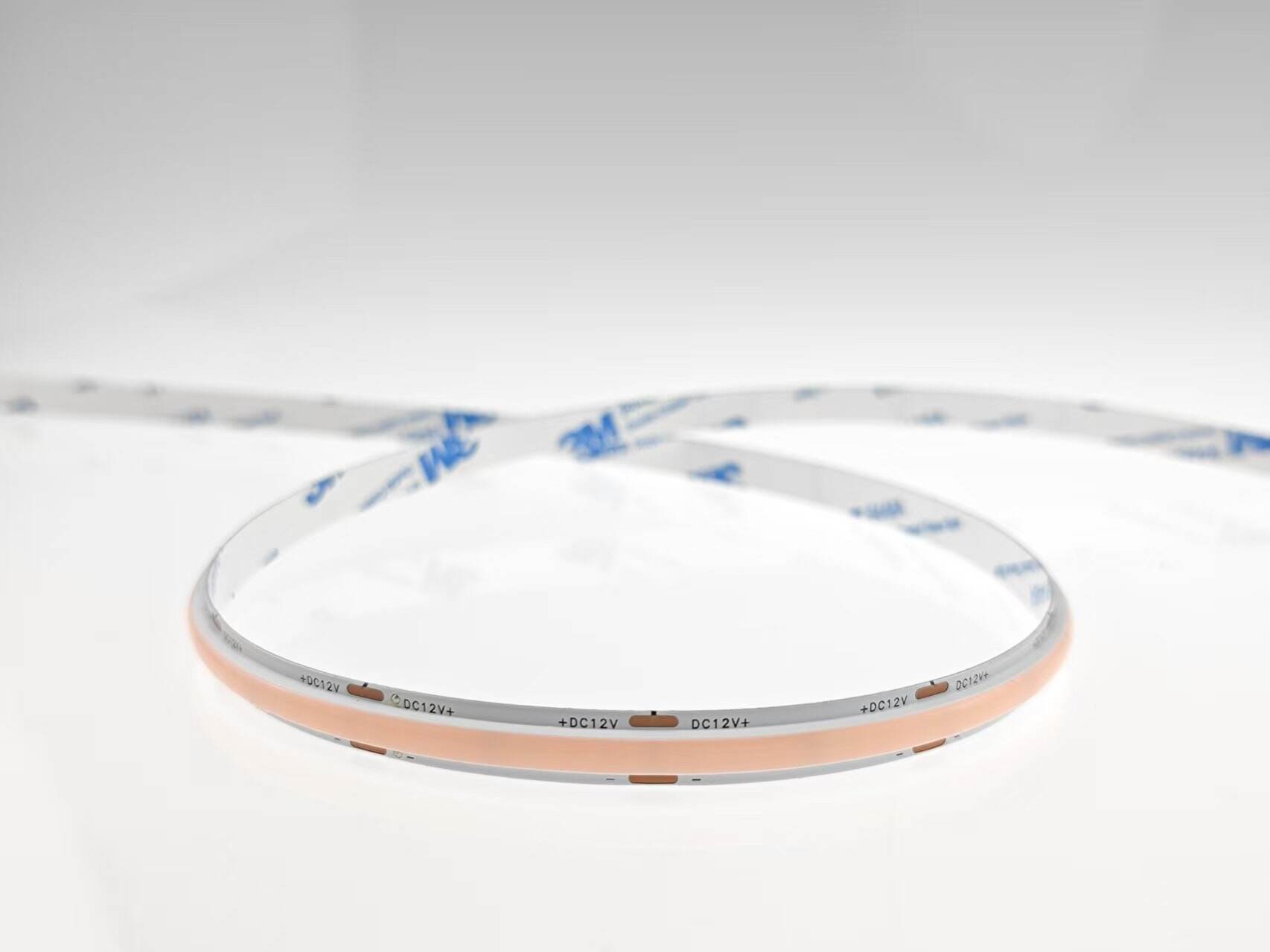
LED low voltage strip lights represent a revolutionary advancement in modern lighting technology, offering exceptional versatility and energy efficiency for residential, commercial, and industrial applications. These innovative lighting solutions operate at 12V or 24V DC power, making them significantly safer than traditional high-voltage alternatives while delivering superior performance and longevity. The fundamental design of led low voltage strip lights consists of multiple LED chips mounted on a flexible printed circuit board, creating continuous illumination that can be cut to custom lengths and shaped around corners, curves, and architectural features. The low voltage operation ensures enhanced safety during installation and maintenance, eliminating the risk of electrical shock and making these lights suitable for damp locations and outdoor environments when properly protected. Modern led low voltage strip lights incorporate advanced semiconductor technology, utilizing high-quality diodes that convert electrical energy directly into light with minimal heat generation. This efficient conversion process results in significantly lower power consumption compared to incandescent or fluorescent lighting systems. The flexible substrate allows for easy installation in tight spaces, under cabinets, along staircases, or within architectural coves where traditional lighting fixtures cannot fit. Temperature management remains crucial for optimal performance, with many led low voltage strip lights featuring built-in thermal management systems and requiring appropriate heat dissipation through aluminum channels or heat sinks. The modular nature of these lighting systems enables scalable installations, from small accent lighting projects to extensive commercial applications. Advanced control options include dimming capabilities, color temperature adjustment, and smart home integration through various protocols. The durability of led low voltage strip lights surpasses conventional lighting options, with typical lifespans ranging from 25,000 to 50,000 hours under normal operating conditions, reducing maintenance costs and replacement frequency significantly.
 EN
EN