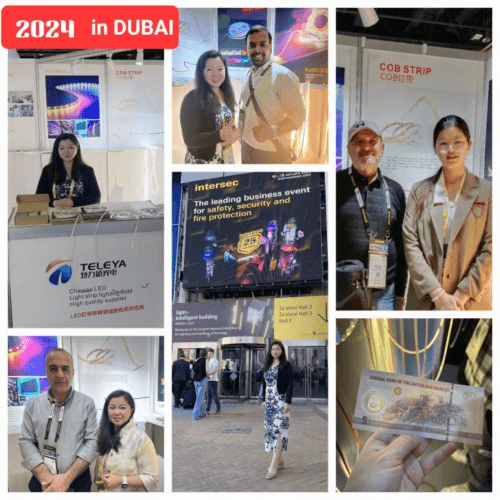
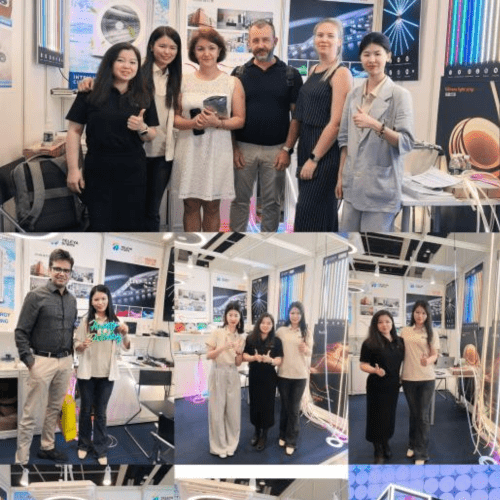
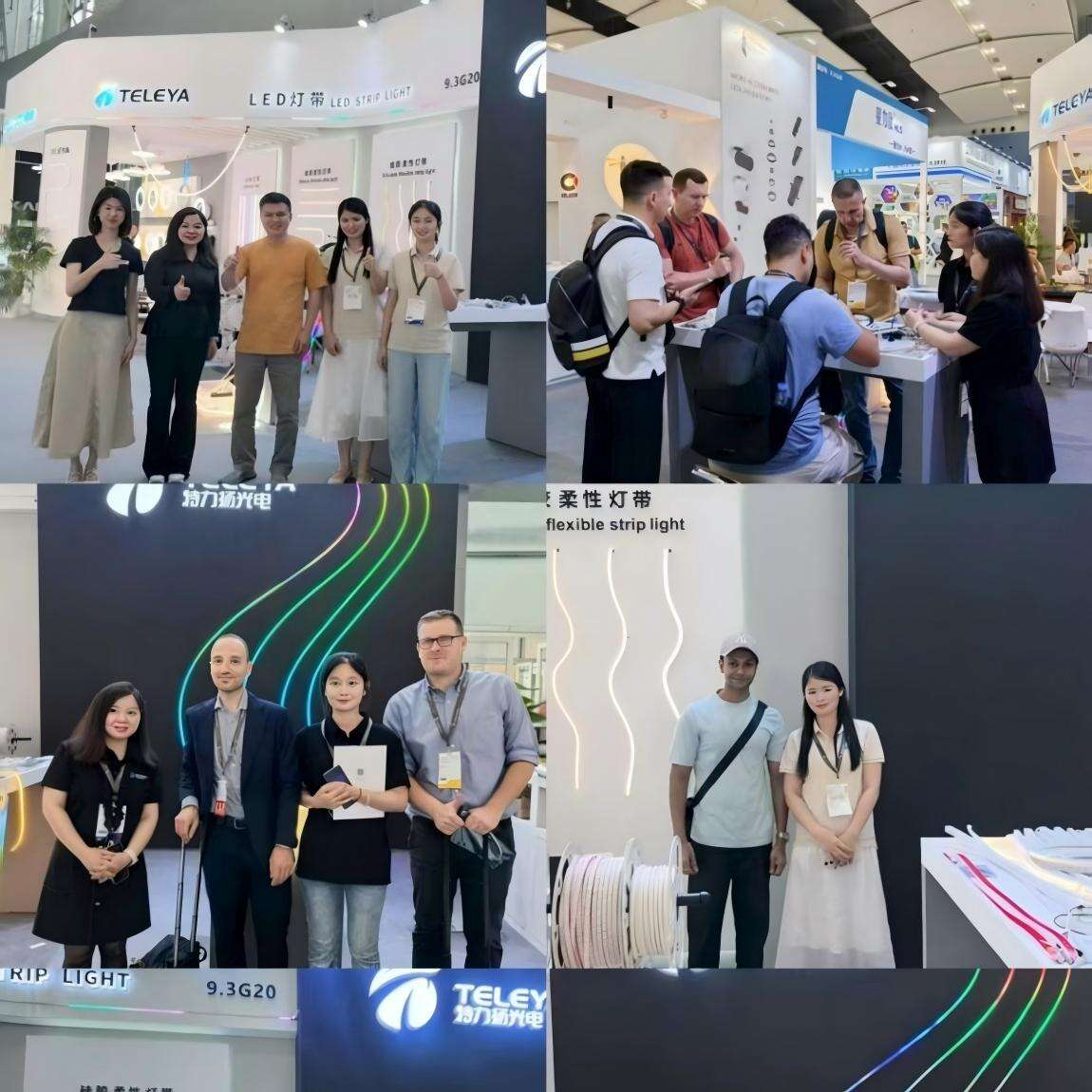
led strip manufacturer
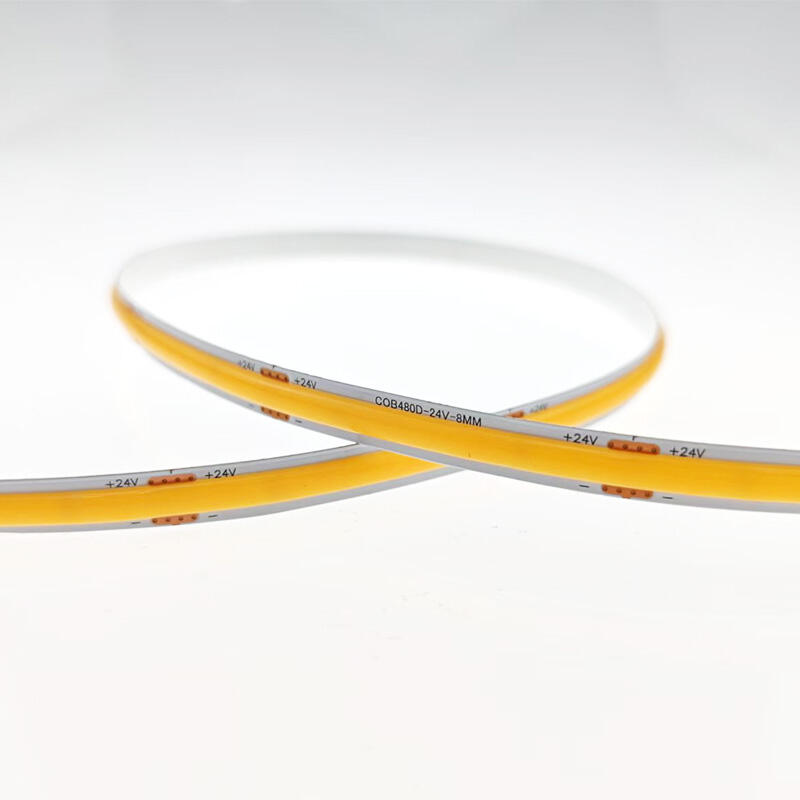
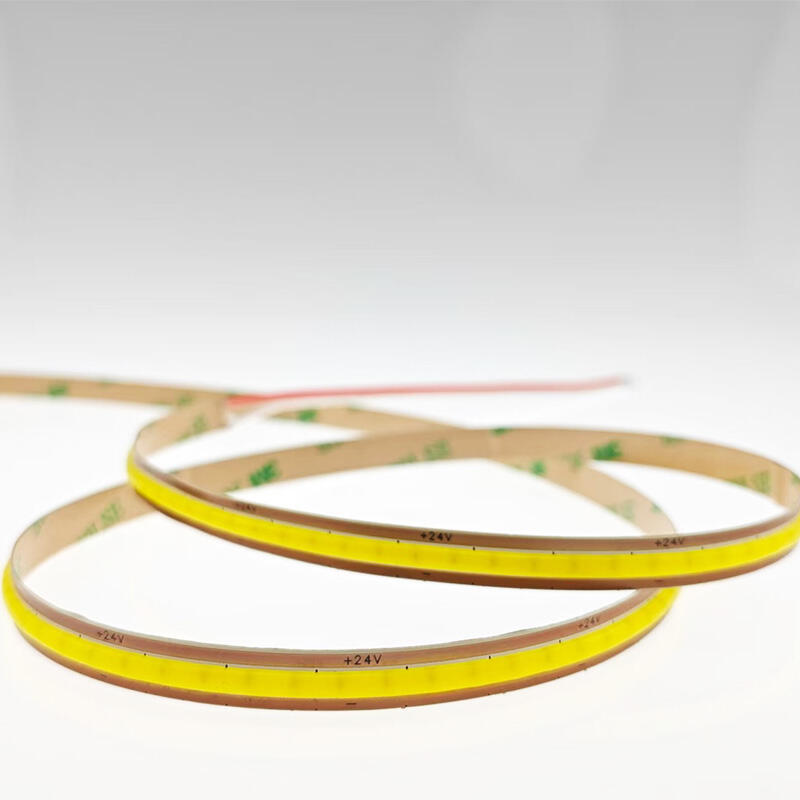
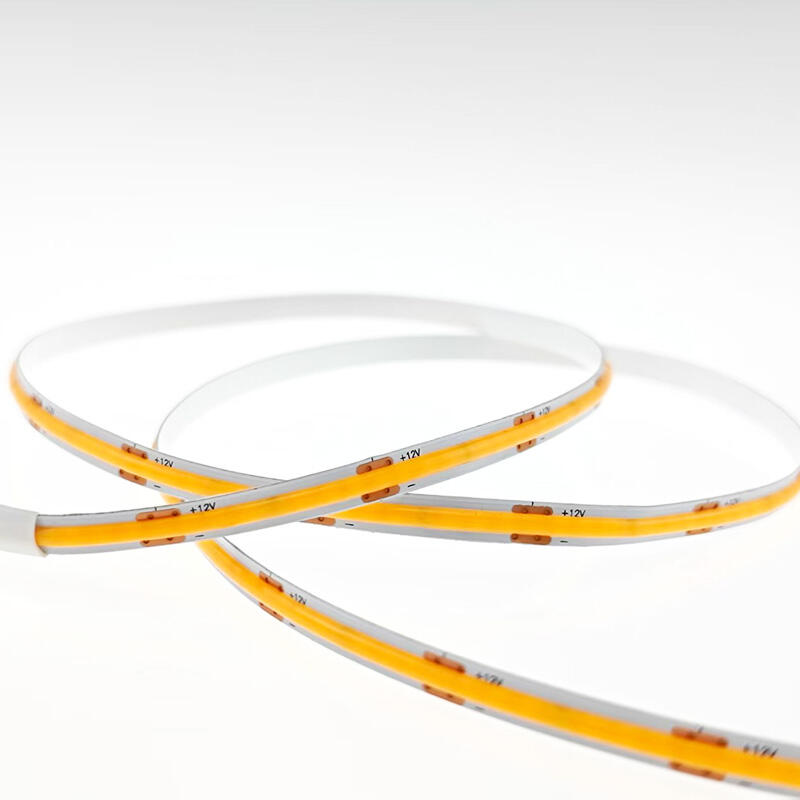
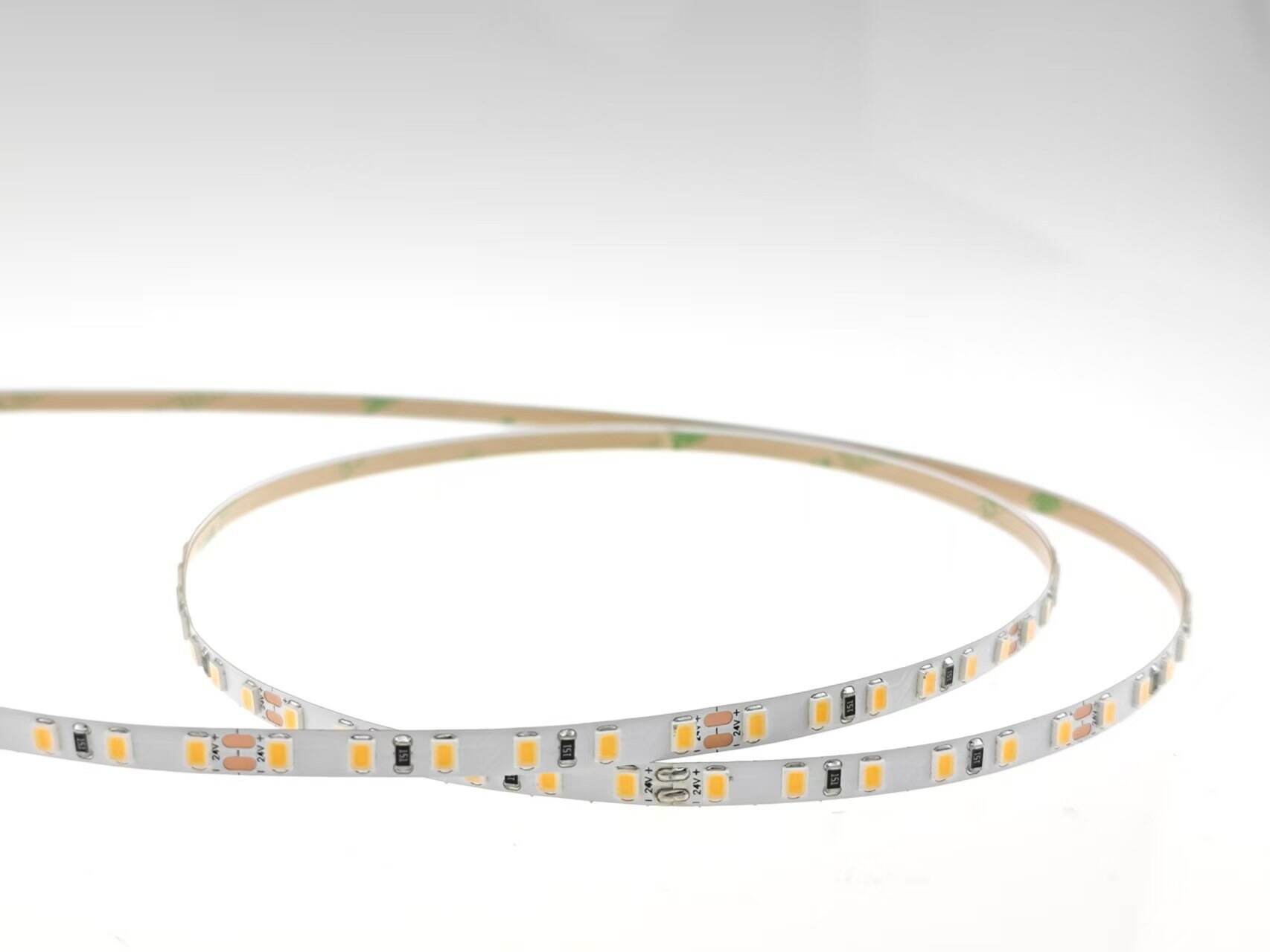
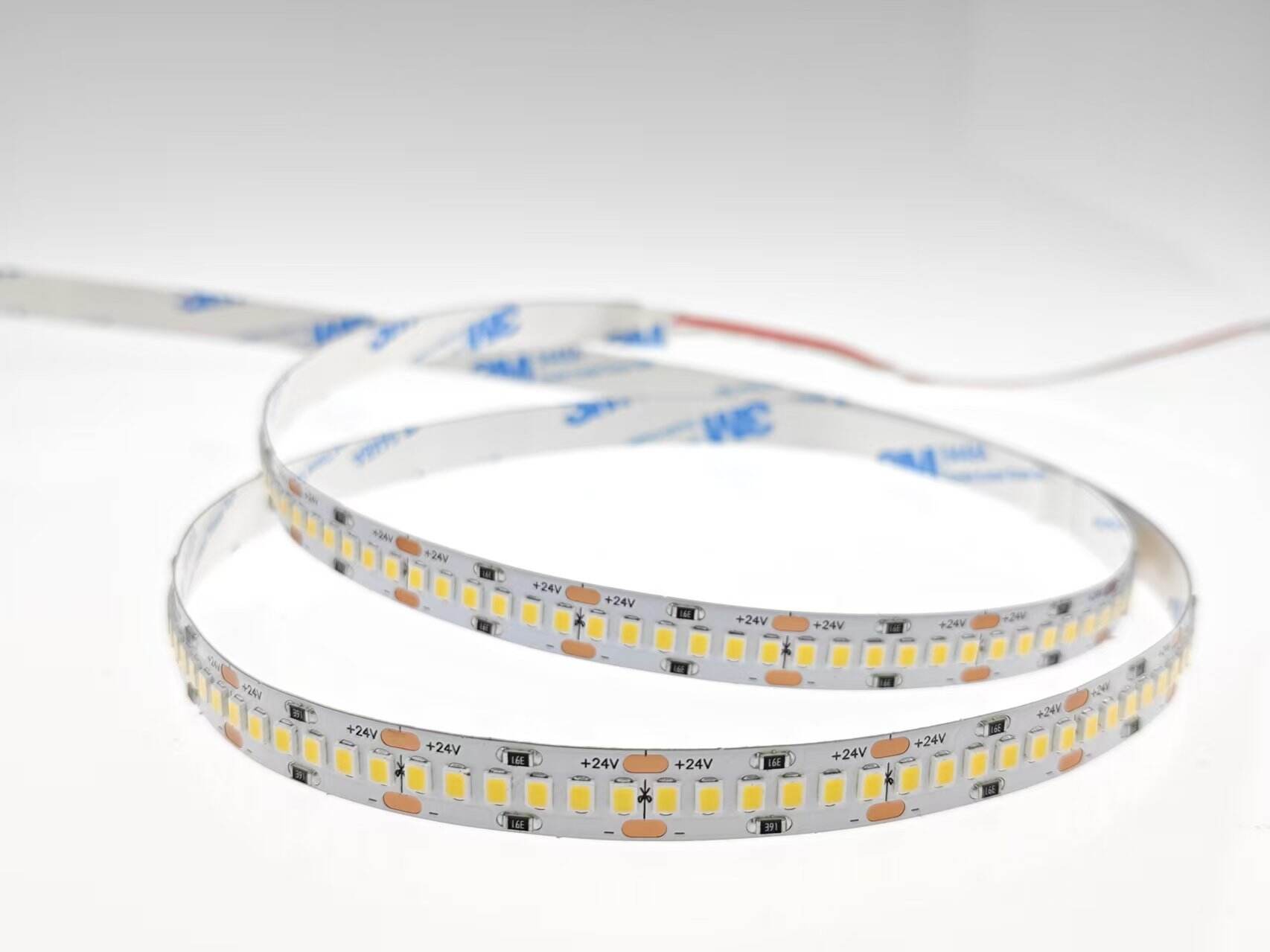
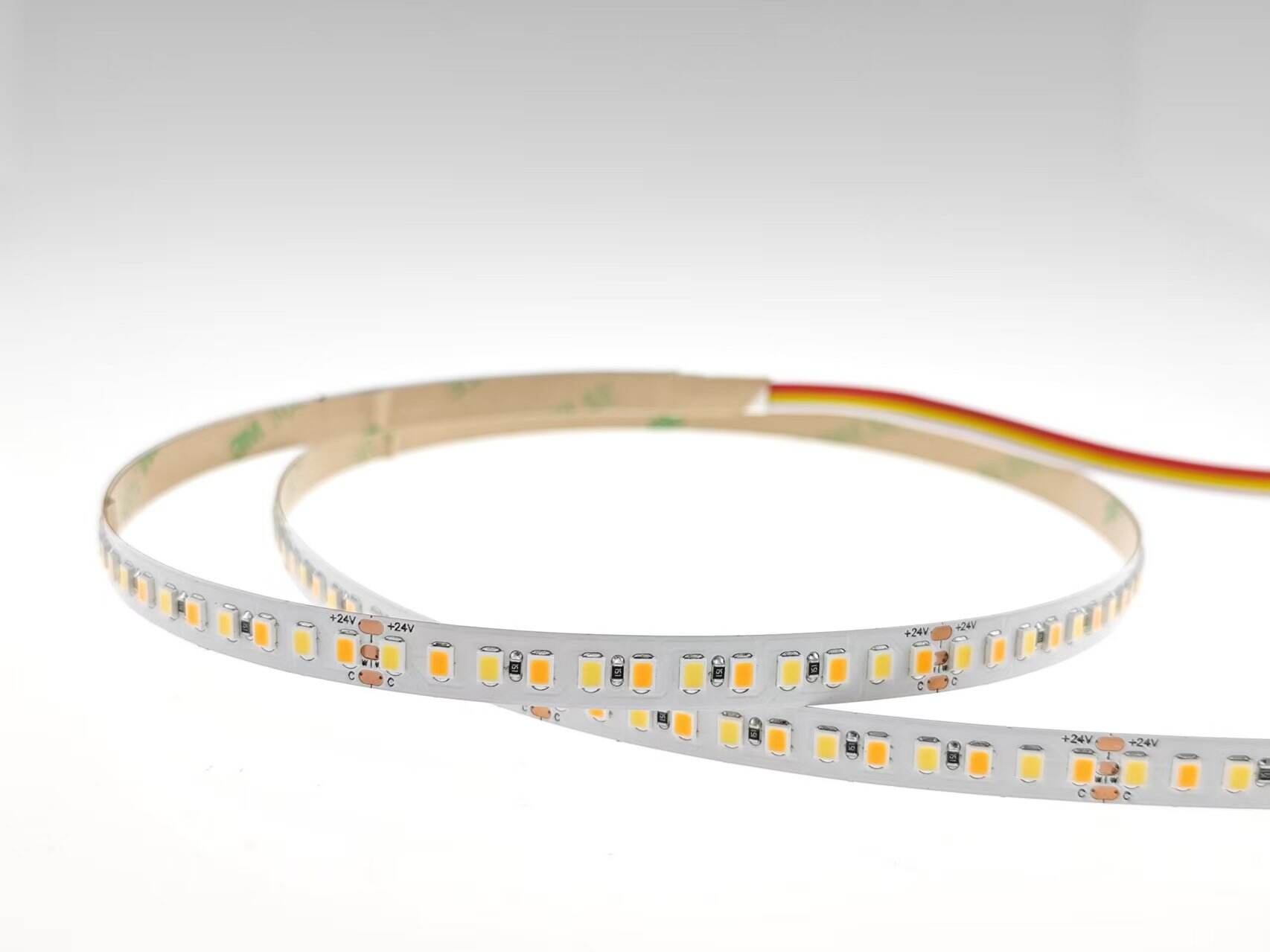
A professional led strip manufacturer represents the cornerstone of modern lighting solutions, combining cutting-edge technology with innovative design to produce high-quality flexible lighting products. These specialized companies focus on developing, manufacturing, and distributing LED strip lights that serve diverse commercial, residential, and industrial applications. The primary function of a led strip manufacturer involves the creation of flexible circuit boards embedded with light-emitting diodes, which provide efficient, customizable illumination for countless environments. The technological foundation of a reputable led strip manufacturer encompasses advanced semiconductor technology, precision engineering, and sophisticated quality control systems. These manufacturers utilize state-of-the-art production facilities equipped with automated assembly lines, ensuring consistent product quality and optimal performance. The manufacturing process involves careful selection of premium LED chips, implementation of robust circuitry designs, and application of protective coatings that enhance durability and longevity. Modern led strip manufacturer facilities incorporate rigorous testing protocols, including photometric analysis, thermal management evaluation, and electrical safety assessments. The applications for products from a skilled led strip manufacturer span numerous sectors, including architectural lighting, automotive illumination, entertainment venues, retail displays, and smart home systems. These versatile lighting solutions offer remarkable flexibility in installation, allowing for creative designs in spaces where traditional lighting fixtures prove impractical. A leading led strip manufacturer typically offers various product categories, including single-color strips, RGB color-changing options, addressable digital strips, and specialized variants for specific environmental conditions. The technological features integrated by a professional led strip manufacturer include advanced driver circuits, heat dissipation systems, and compatibility with modern control protocols such as DMX, WiFi, and Bluetooth connectivity, enabling seamless integration with smart building management systems.
 EN
EN