Advanced Smart Control and Customization Capabilities
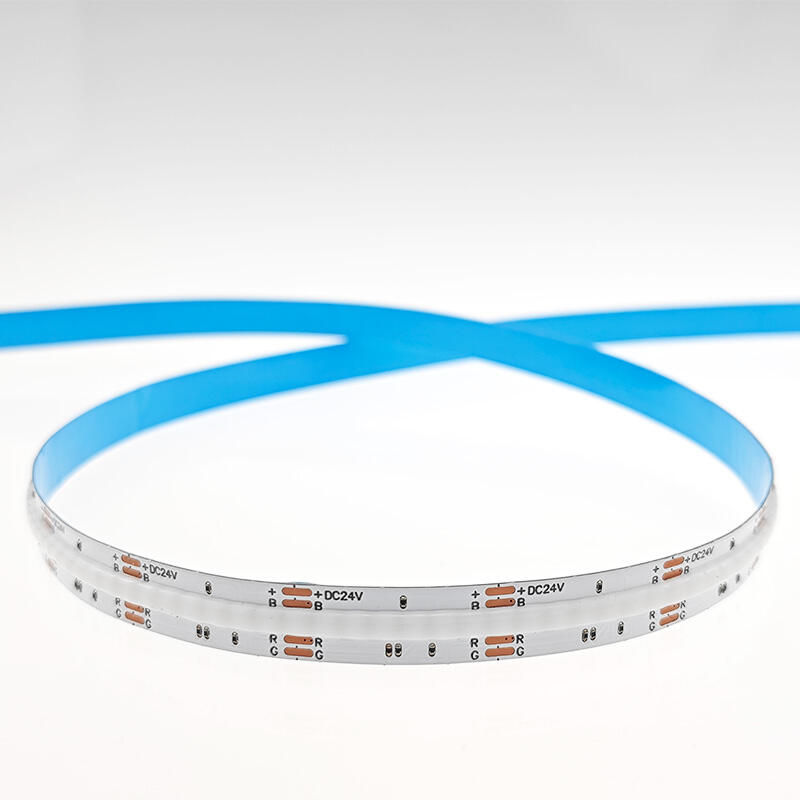
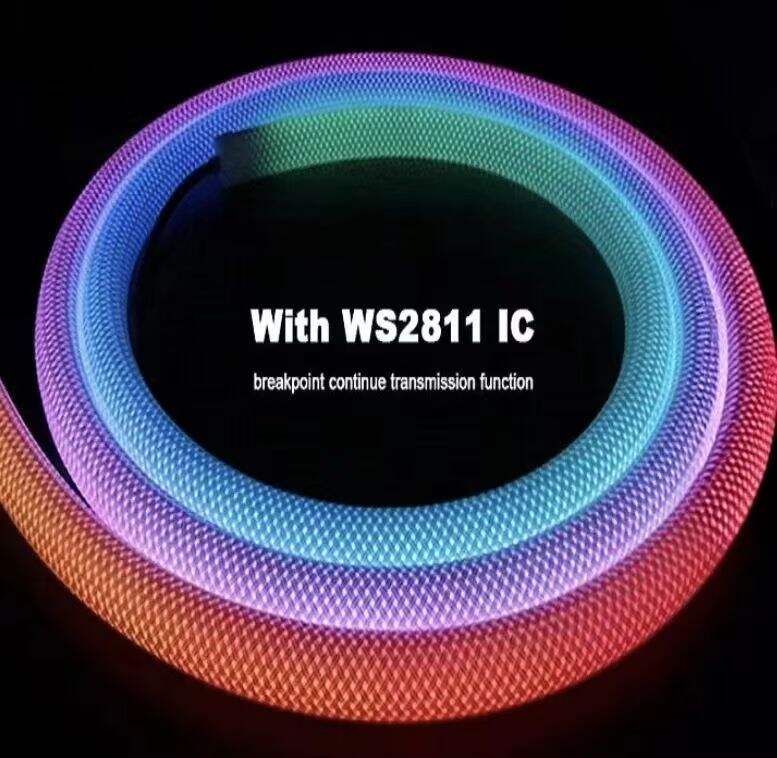
The neon light led strip incorporates cutting-edge smart control technology that transforms lighting from a basic utility into an intelligent, responsive system capable of enhancing ambiance, improving functionality, and adapting to user preferences with unprecedented precision. Modern neon light led strip systems integrate seamlessly with popular smart home platforms including Amazon Alexa, Google Assistant, and Apple HomeKit, enabling voice control, scheduling, and automation that responds to occupancy patterns, time of day, and environmental conditions. The sophisticated control options include dimming from 1-100 percent brightness levels without flickering or color shifting, allowing precise light level adjustment for any activity or mood requirement. RGB and RGBW variants of the neon light led strip provide access to millions of color combinations, creating dynamic lighting scenes that can simulate sunrise and sunset cycles, match entertainment content, or provide color-coded information displays. Professional-grade control systems offer pixel-level addressing, enabling complex animations, text displays, and synchronized effects across multiple strip installations for architectural lighting projects and entertainment venues. The smartphone app integration allows remote monitoring and control from anywhere in the world, providing security benefits for vacation homes, retail displays, and commercial facilities requiring off-site management. Preset scene programming stores favorite configurations for instant recall, eliminating the need to manually adjust settings for recurring activities like dining, reading, or entertaining. The scheduling functionality automatically adjusts lighting throughout the day, optimizing circadian rhythm support through appropriate color temperature changes from warm evening tones to cool daytime illumination. Advanced sensors can integrate with neon light led strip systems to provide motion activation, daylight harvesting, and occupancy-based control that maximizes energy savings while ensuring adequate illumination when needed. The control interface typically includes manual override options, ensuring reliable operation even when wireless connectivity is compromised. Professional installation benefits from standardized control protocols that enable integration with building management systems, allowing centralized control of multiple zones and automatic emergency lighting functions that support safety compliance requirements in commercial environments.


 EN
EN