silicone led lights
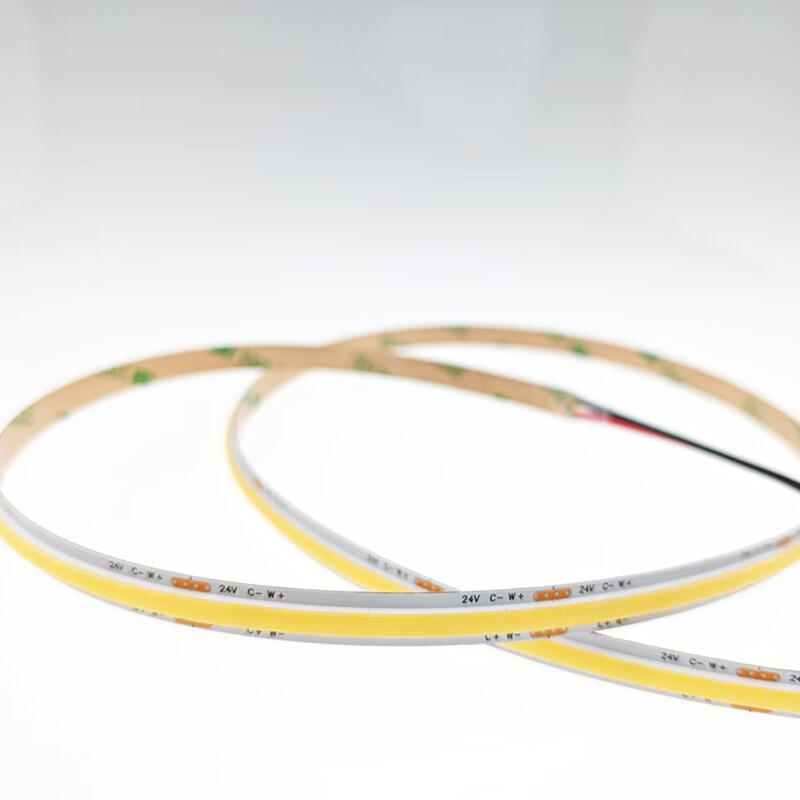
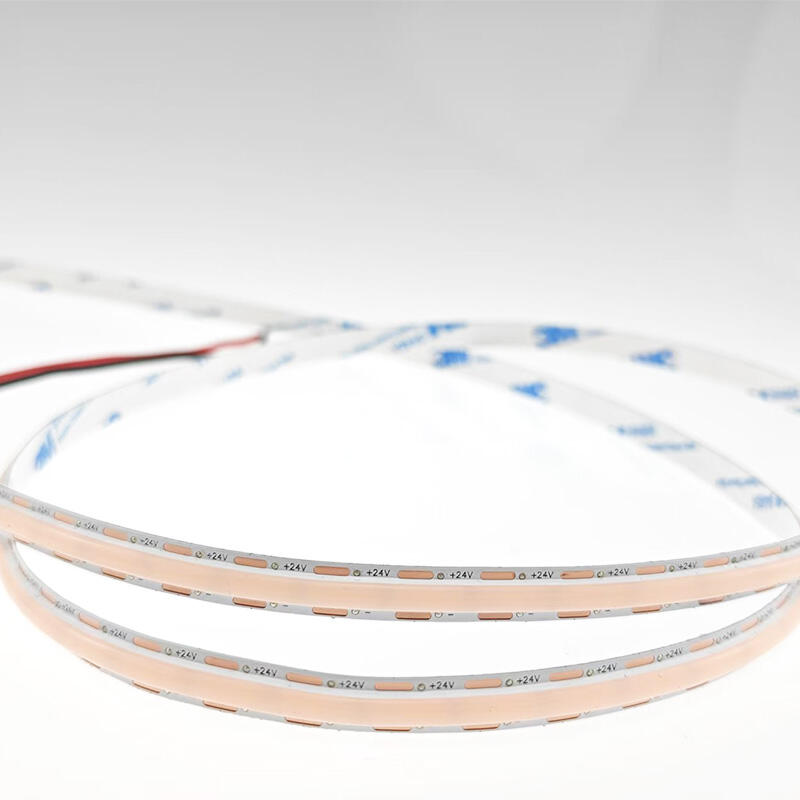
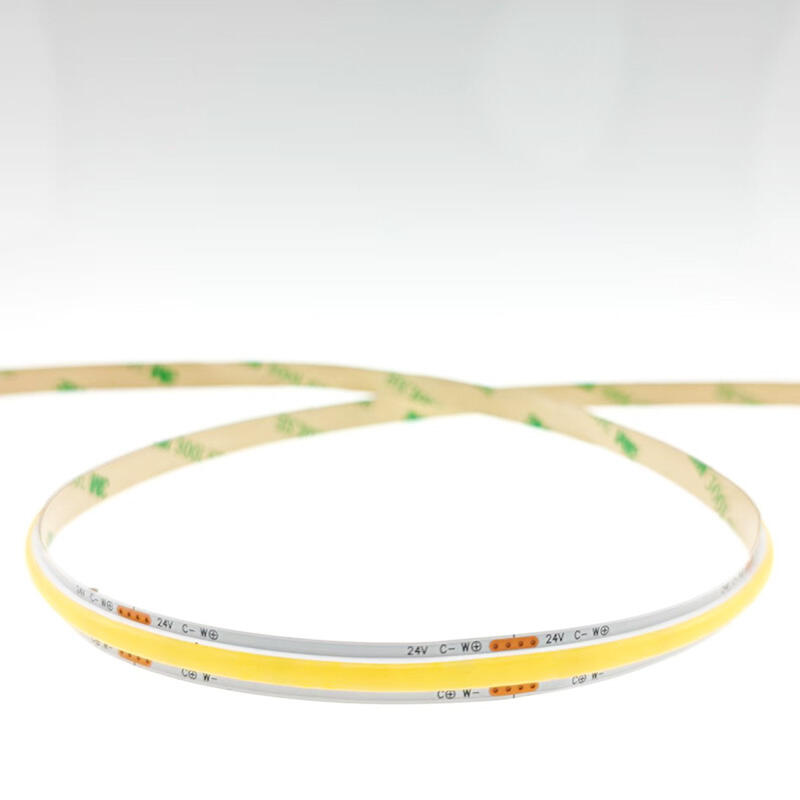
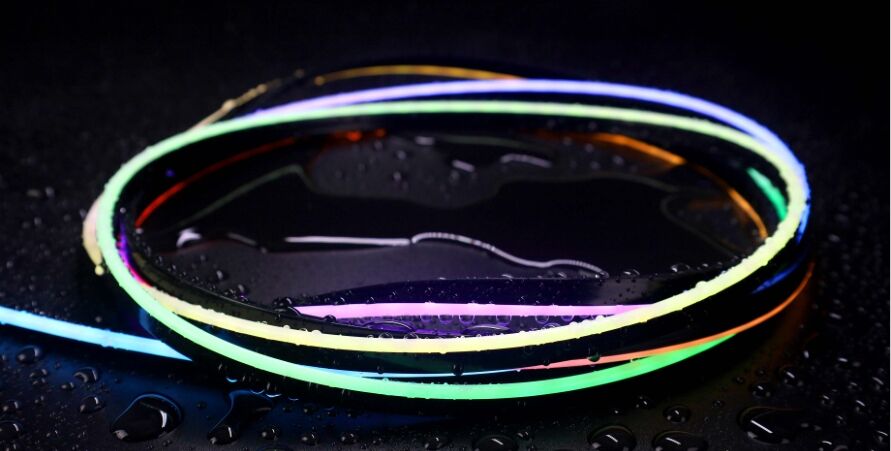
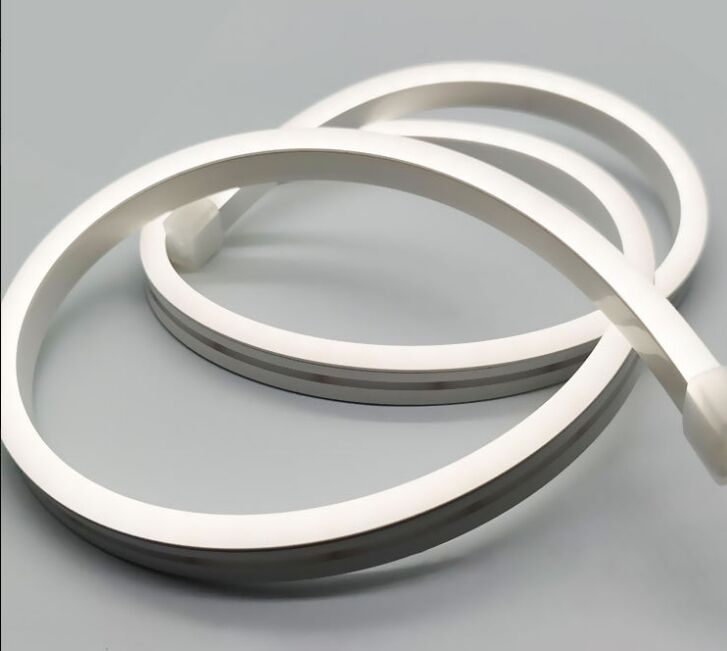
Silicone LED lights represent a revolutionary advancement in lighting technology, combining the energy efficiency of LED technology with the exceptional properties of premium silicone materials. These innovative lighting solutions feature semiconductor diodes encased within flexible, durable silicone housings that provide superior protection against environmental factors while maintaining optimal light output. The core functionality of silicone LED lights centers on their ability to produce bright, consistent illumination while withstanding extreme temperatures, moisture, and physical stress. The silicone encapsulation serves multiple purposes, including waterproofing, shock absorption, and thermal management, making these lights ideal for both indoor and outdoor applications. Technological features include advanced heat dissipation systems that prevent overheating, ensuring longer lifespan and consistent performance. The silicone material offers excellent flexibility, allowing the lights to be bent, twisted, or shaped without damage to the internal LED components. This flexibility opens up numerous design possibilities for creative lighting installations. Modern silicone LED lights incorporate smart controls, dimming capabilities, and color-changing functions, enabling users to customize their lighting experience. The low voltage requirements make them safe for various applications, while the instant-on capability eliminates warm-up time. Applications span across residential, commercial, and industrial sectors, including accent lighting, architectural illumination, automotive lighting, marine environments, and outdoor landscaping. The weather-resistant properties make silicone LED lights particularly suitable for harsh environments where traditional lighting solutions would fail. Energy efficiency remains a key technological advantage, with these lights consuming significantly less power than conventional lighting while producing superior brightness levels. The long operational lifespan reduces maintenance requirements and replacement costs, making them economically advantageous for large-scale installations.

 EN
EN