Versatile Installation and Design Flexibility
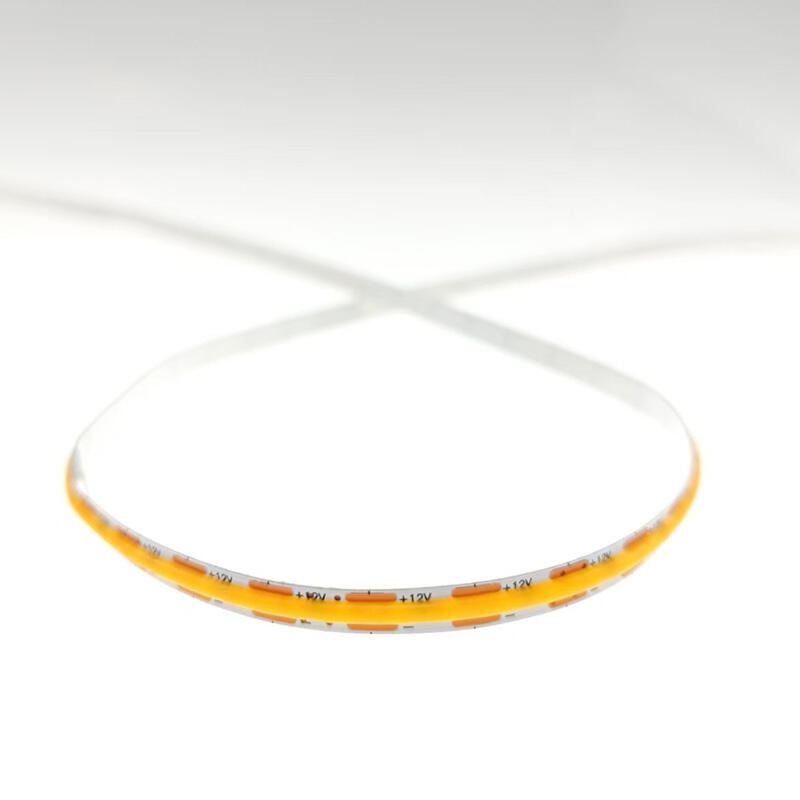
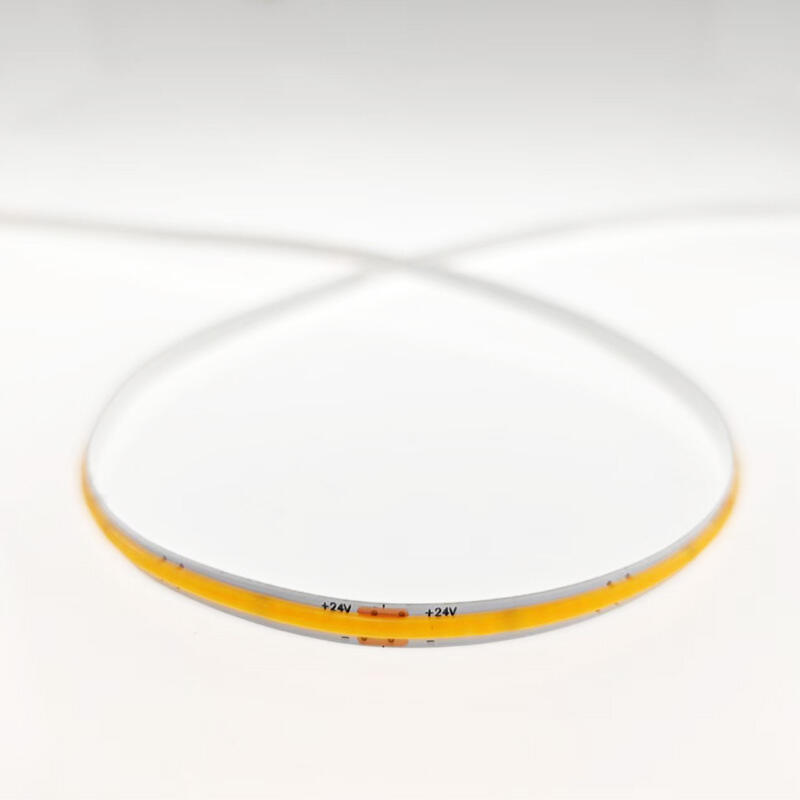
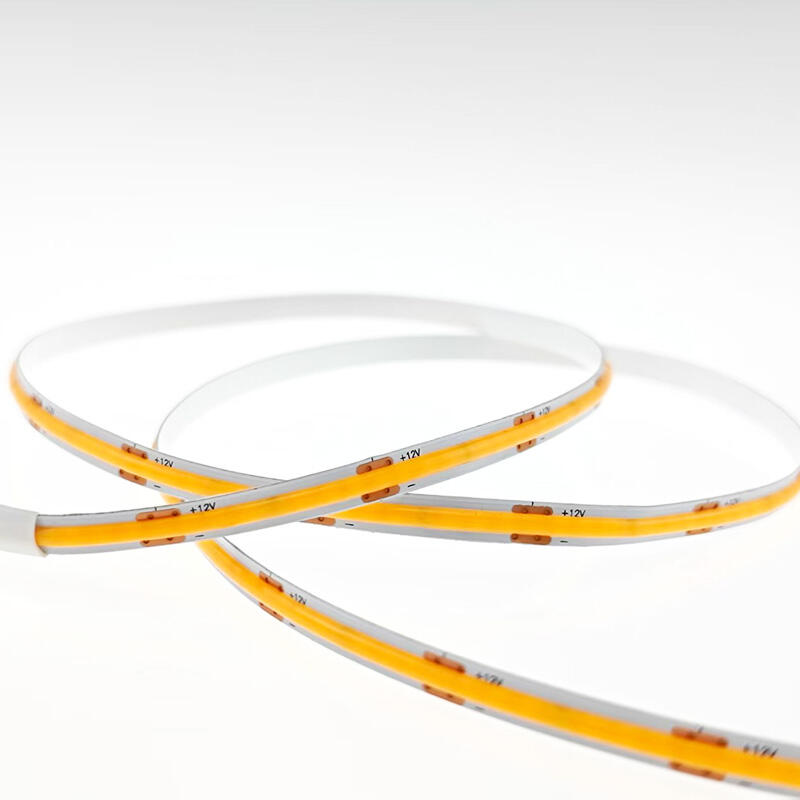
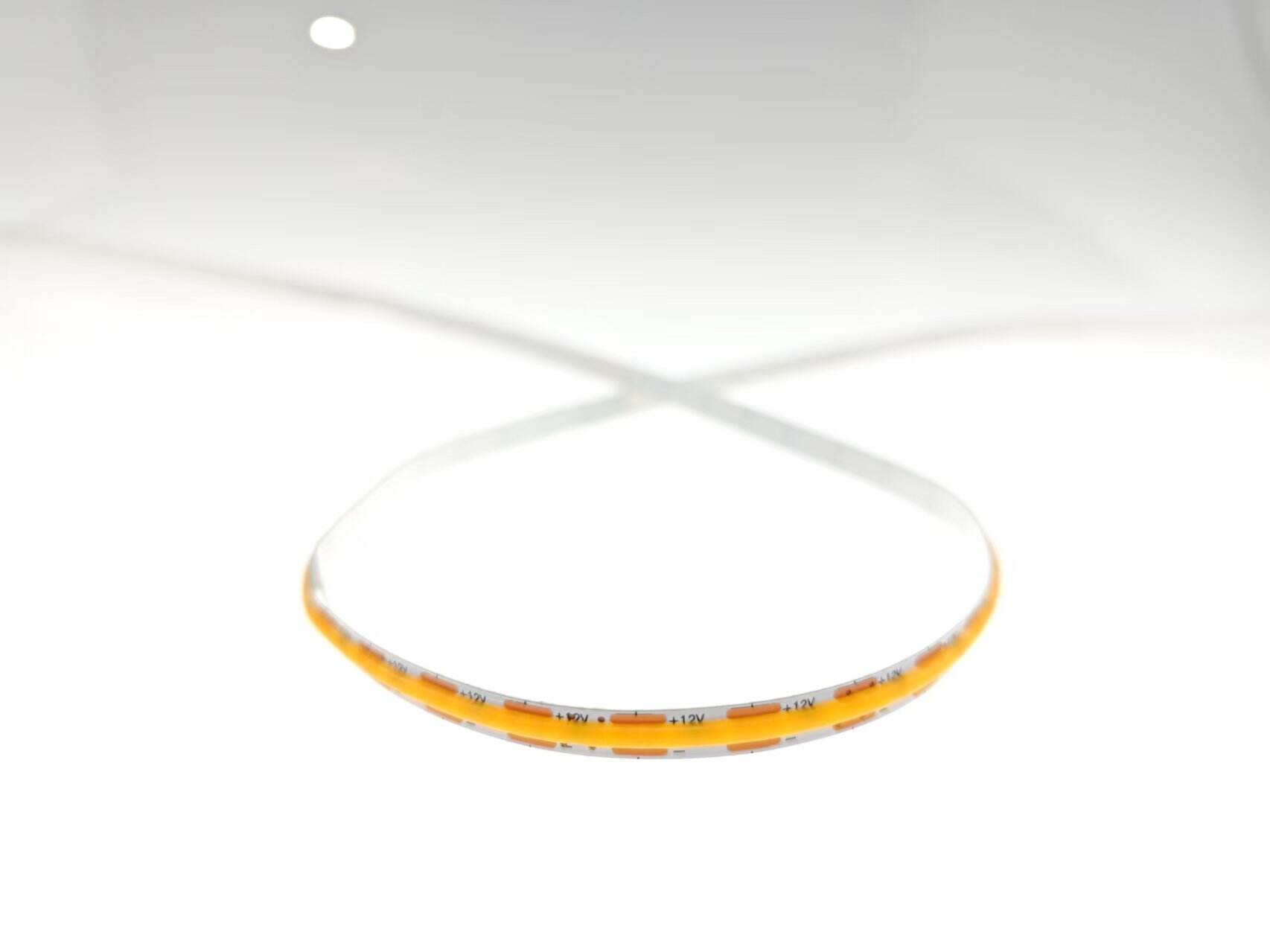
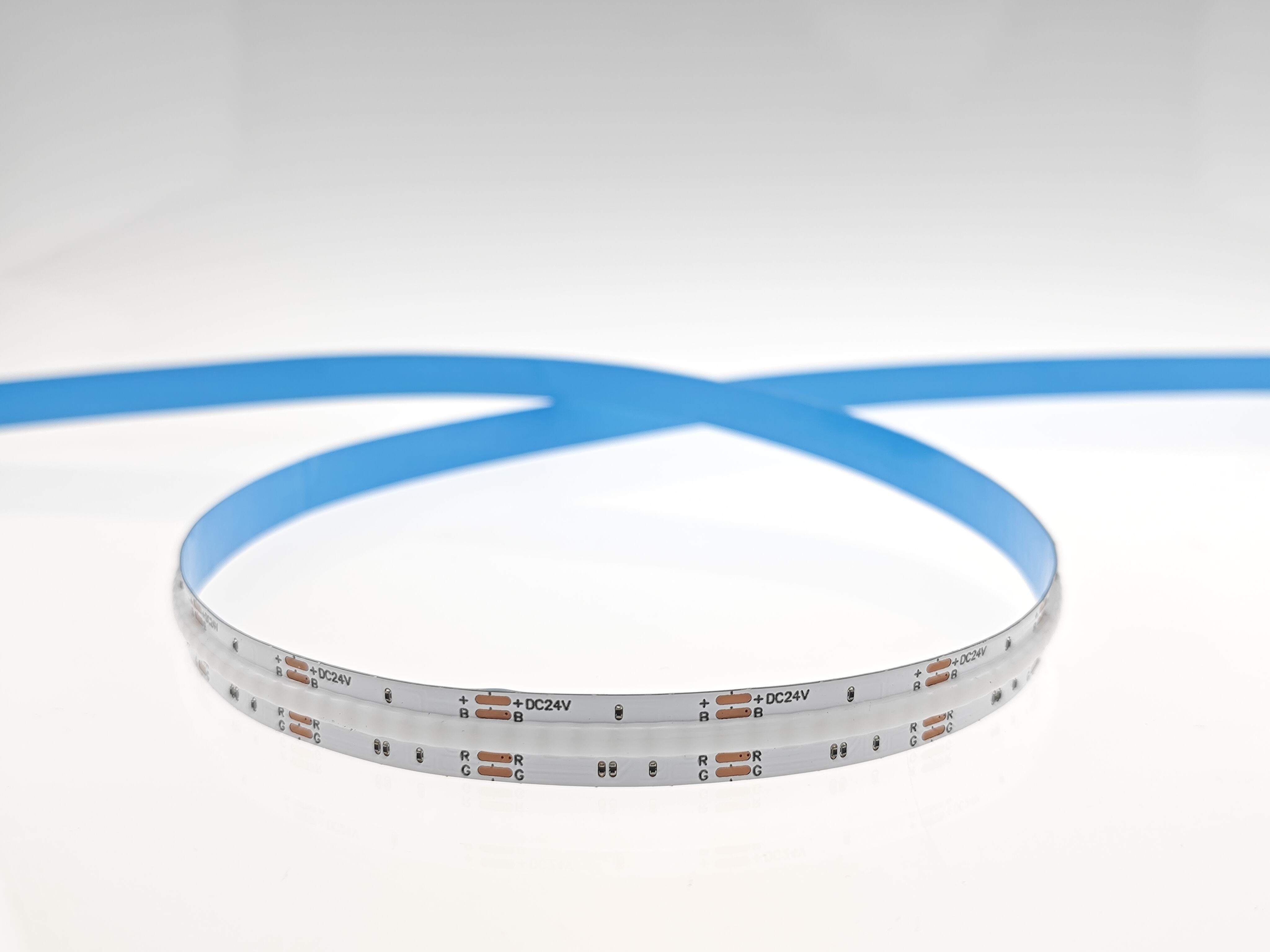
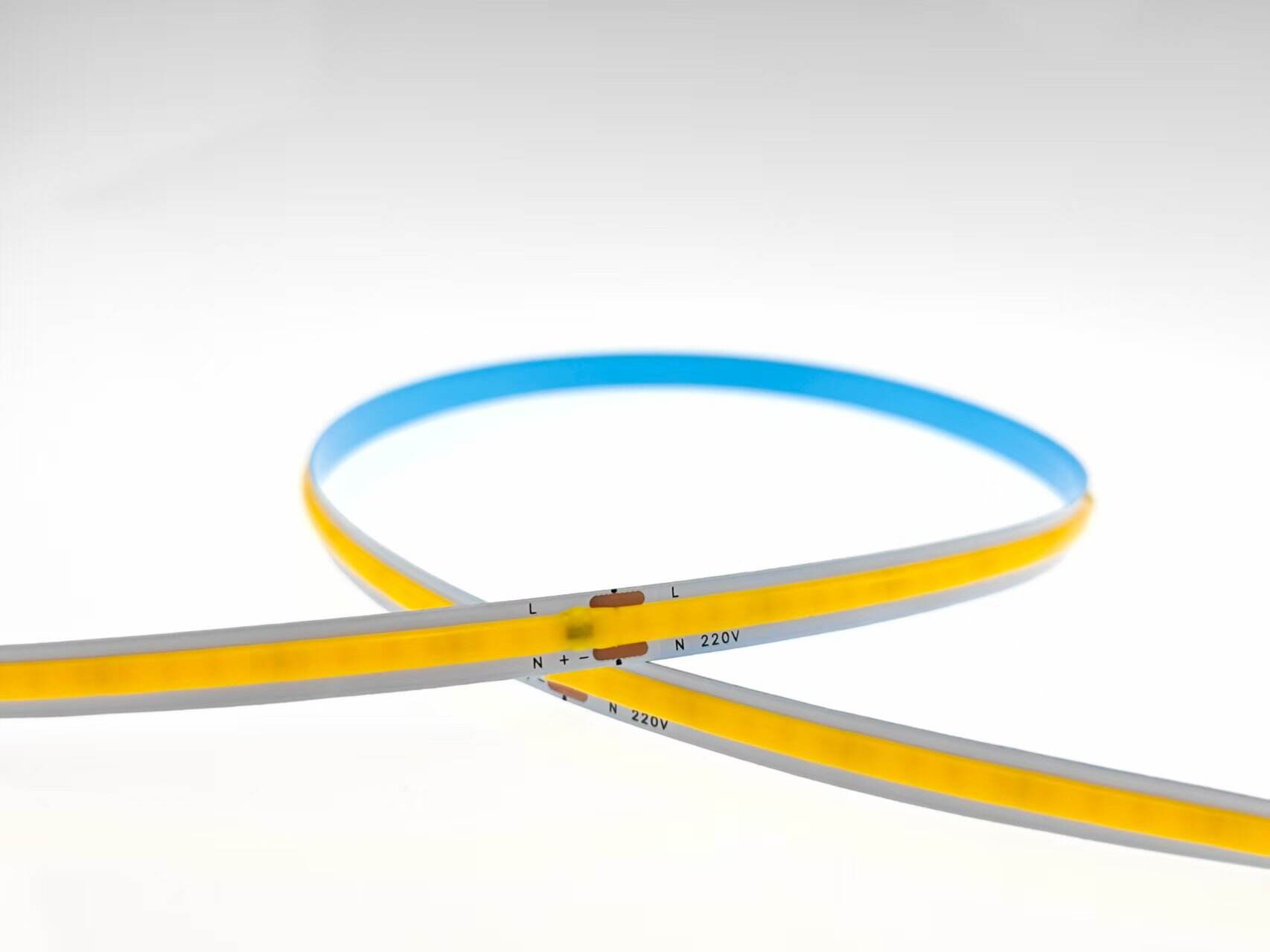
The strip light COB offers unparalleled installation versatility that accommodates virtually any lighting design requirement, from simple accent lighting to complex architectural installations. The thin profile of strip light COB, typically measuring just 2-3mm in thickness, allows integration into spaces where traditional fixtures cannot fit, such as narrow coves, tight corners, and recessed channels. Flexible substrate materials enable strip light COB to bend and conform to curved surfaces, stairs, and irregular architectural features while maintaining consistent light output. The adhesive backing standard on most strip light COB products provides secure mounting without the need for additional hardware, though mechanical mounting options remain available for permanent installations. Cutting flexibility is built into the design, with designated cut points every few inches allowing precise length customization to match exact installation requirements without waste or dark spots. The variety of IP ratings available in strip light COB products ensures suitability for both indoor and outdoor applications, with weatherproof versions capable of withstanding moisture, dust, and temperature extremes. Color options extend beyond basic white temperatures to include RGB, RGBW, and tunable white configurations that enable dynamic lighting effects and mood adjustment capabilities. Control compatibility spans from simple on-off switches to sophisticated smart home systems, with many strip light COB products supporting wireless protocols like WiFi, Zigbee, and Bluetooth for remote operation. The modular nature allows for easy expansion or reconfiguration as needs change, with standardized connectors enabling seamless integration of additional strips. Professional installation tools and accessories, including aluminum profiles, end caps, and power supplies, are readily available to support any scale of strip light COB deployment. The low voltage operation enhances safety during installation and maintenance, reducing electrical hazards compared to line voltage alternatives.
 EN
EN