Superior Corrosion Resistance and Longevity
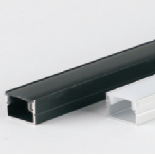
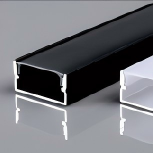
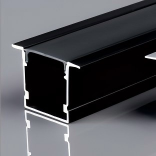
The aluminium profile black incorporates advanced surface treatments that create an exceptional barrier against corrosion, oxidation, and environmental degradation, delivering unmatched longevity in diverse applications. This corrosion resistance stems from the natural oxide layer that forms on aluminium surfaces, enhanced by specialized black anodizing or powder coating processes that create a dense, protective barrier. The treatment penetrates deeply into the aluminium substrate, forming a molecular bond that cannot be easily damaged or removed through normal wear and exposure. This protective system prevents moisture infiltration, chemical attack, and galvanic corrosion that commonly affects other metals in similar applications. The aluminium profile black maintains its structural integrity and appearance even after decades of exposure to harsh environmental conditions including saltwater, industrial chemicals, acid rain, and extreme temperature variations. Laboratory testing demonstrates that properly treated aluminium profile black can withstand over 3000 hours of salt spray exposure without significant degradation, far exceeding the performance of painted steel or other competing materials. This exceptional durability translates directly into reduced lifecycle costs, as the profiles require minimal maintenance and rarely need replacement during the typical service life of a structure or system. The black surface treatment also provides enhanced scratch resistance and impact protection, maintaining smooth surfaces that resist dirt accumulation and facilitate easy cleaning. Property owners and facility managers benefit from reduced maintenance schedules, lower replacement costs, and consistent performance reliability. The corrosion resistance extends to connection points and fastener interfaces, where the aluminium profile black maintains secure attachments without the loosening or degradation common with corroded fasteners. This comprehensive protection system ensures that structural loads are maintained throughout the service life, preventing safety issues and unexpected failures. The environmental benefits of this longevity include reduced material consumption over time, decreased waste generation, and lower environmental impact from manufacturing replacement components.
 EN
EN