Premium Aluminum Moulding Profiles - Durable, Versatile & Cost-Effective Solutions

All Categories

Get a Free Quote

Our representative will contact you soon.
Email
Name
Company Name
Message
0/1000

aluminum moulding profiles

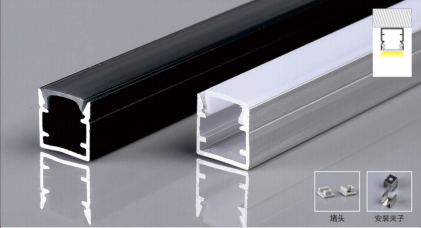
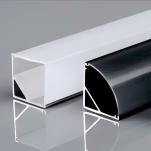
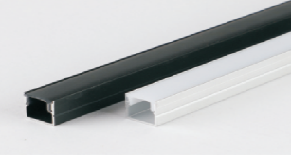
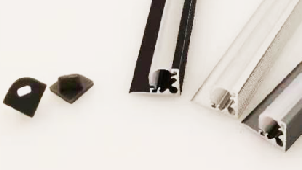
Aluminum moulding profiles represent a cornerstone of modern construction and manufacturing, offering versatile structural solutions across numerous industries. These precision-engineered components are manufactured through advanced extrusion processes, where heated aluminum billets are forced through specially designed dies to create consistent cross-sectional shapes. The resulting aluminum moulding profiles maintain uniform dimensions and superior surface finish, making them ideal for applications requiring both structural integrity and aesthetic appeal. The main functions of aluminum moulding profiles encompass structural support, decorative finishing, protective barriers, and framework construction. Their lightweight nature combined with exceptional strength-to-weight ratios makes them particularly valuable in automotive, aerospace, and architectural applications. Technological features include corrosion resistance through natural oxide layer formation, excellent thermal conductivity, and remarkable malleability that allows for complex geometric configurations. The extrusion process enables manufacturers to create intricate internal chambers, cooling channels, and mounting grooves within single profiles, eliminating the need for additional machining operations. Surface treatments such as anodizing, powder coating, and mill finishing enhance both durability and visual characteristics. Applications span from window frames and curtain walls in commercial buildings to heat sinks in electronic devices, automotive trim components, and industrial machinery frameworks. The modular nature of aluminum moulding profiles facilitates rapid assembly and disassembly, making them popular in temporary structures, exhibition displays, and modular construction systems. Advanced alloy compositions provide specific mechanical properties tailored to particular applications, with 6061 and 6063 alloys being most commonly used for general-purpose aluminum moulding profiles. The precision tolerances achievable through modern extrusion technology ensure consistent fit and finish across large production runs, reducing assembly time and material waste.
New Product Releases

Aluminum moulding profiles deliver exceptional value through their unique combination of lightweight construction and superior structural performance. Unlike traditional materials such as steel or wood, these profiles weigh approximately one-third less while maintaining comparable strength characteristics. This weight reduction translates directly into lower transportation costs, reduced foundation requirements, and simplified installation procedures. The inherent corrosion resistance of aluminum moulding profiles eliminates the need for ongoing maintenance treatments that plague other materials, resulting in substantial long-term cost savings. Property owners and facility managers appreciate this maintenance-free characteristic, as it reduces both direct maintenance expenses and operational disruptions. The thermal properties of aluminum moulding profiles provide excellent heat dissipation capabilities, making them ideal for applications where temperature control is critical. Electronic equipment housings benefit from these thermal management properties, extending component lifespans and improving system reliability. Design flexibility represents another significant advantage, as aluminum moulding profiles can accommodate complex geometries and integrated features during the extrusion process. This eliminates secondary operations and reduces overall production costs while enabling innovative design solutions. The recyclability of aluminum moulding profiles supports sustainable building practices and environmental responsibility initiatives. At the end of their service life, these profiles retain significant material value and can be recycled indefinitely without degradation of properties. Installation speed increases dramatically when using aluminum moulding profiles due to their precision tolerances and standardized connection systems. Construction teams report faster project completion times and reduced labor costs compared to traditional building methods. The electrical conductivity of aluminum moulding profiles makes them suitable for integrated wiring systems and electromagnetic shielding applications. Quality control during manufacturing ensures consistent mechanical properties across production batches, providing reliability for critical applications. Cost-effectiveness extends beyond initial purchase price to include lifecycle considerations such as durability, maintenance requirements, and end-of-life value recovery, making aluminum moulding profiles an intelligent investment choice.

Practical Tips

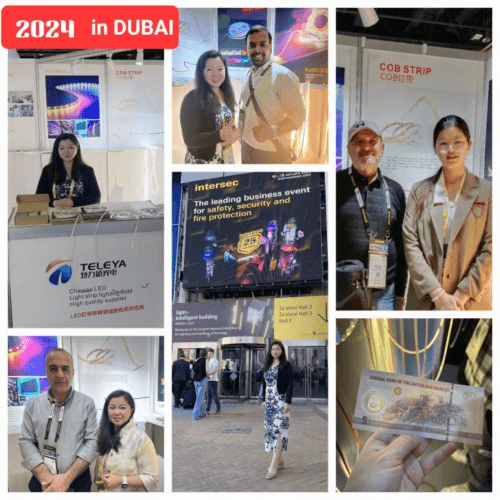
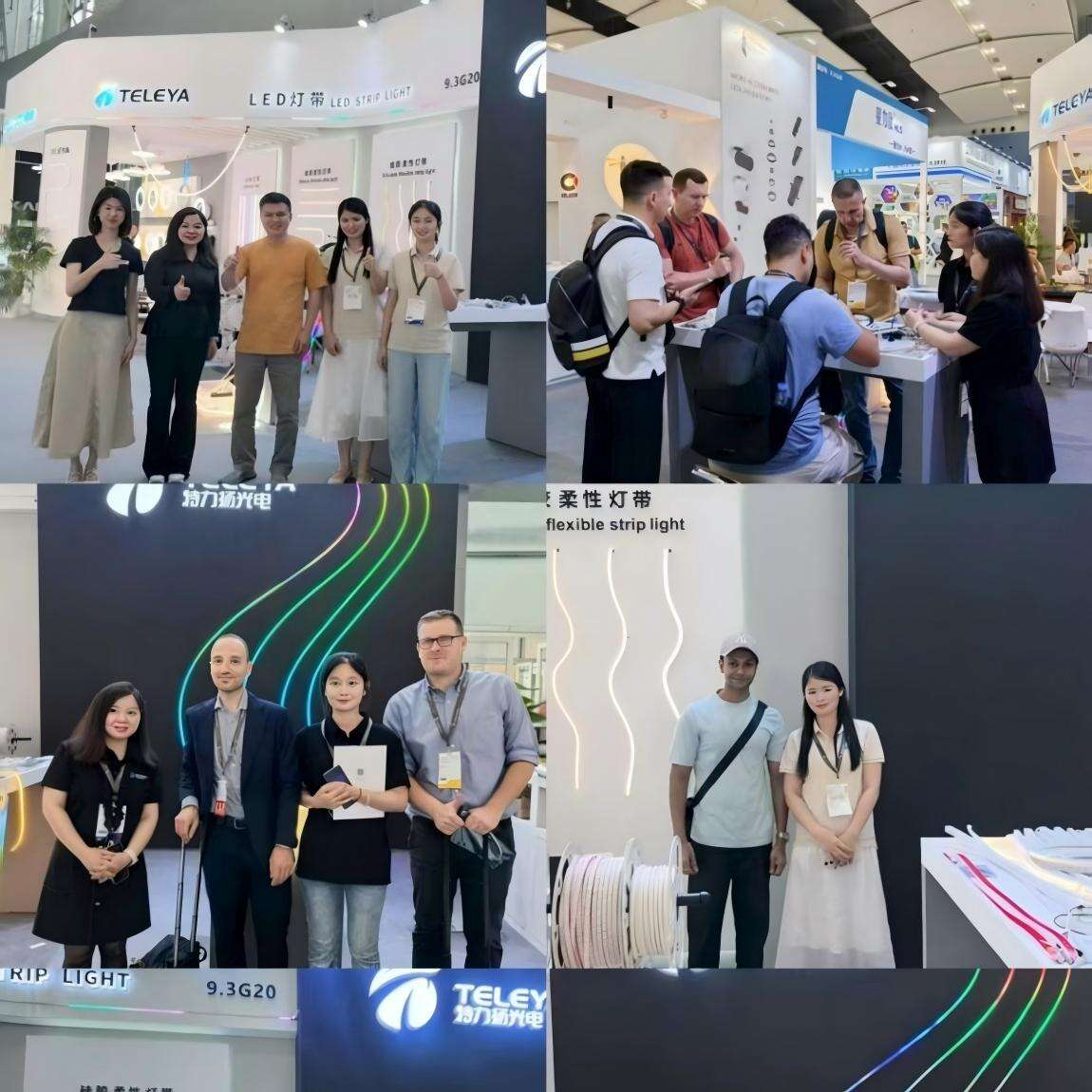
January 2024 Dubai International Lighting Exhibition

20

May

January 2024 Dubai International Lighting Exhibition

View More
April 2024 Canton Fair

20

May

April 2024 Canton Fair

View More
September 2024 Brazil Lighting Exhibition

20

May

September 2024 Brazil Lighting Exhibition

View More
June 2025 Guangya Exhibition

05

Aug

June 2025 Guangya Exhibition

View More

Get a Free Quote

Our representative will contact you soon.
Email
Name
Company Name
Message
0/1000

aluminum moulding profiles

Superior Durability and Weather Resistance

Superior Durability and Weather Resistance

The exceptional durability of aluminum moulding profiles stems from their inherent material properties and advanced surface treatment options. Natural aluminum oxide formation creates a protective barrier that prevents further corrosion, even in harsh environmental conditions. This self-protecting characteristic ensures that aluminum moulding profiles maintain their structural integrity and appearance throughout decades of service life. Unlike steel profiles that require regular painting or coating renewal, aluminum moulding profiles resist rust, oxidation, and chemical degradation without additional maintenance. This weather resistance extends to extreme temperature variations, where aluminum moulding profiles expand and contract predictably without cracking or deformation. UV radiation, which degrades many synthetic materials, has minimal impact on aluminum moulding profiles, particularly when enhanced with anodized or powder-coated finishes. Marine environments present unique challenges with salt spray and high humidity levels, yet aluminum moulding profiles demonstrate remarkable performance in these conditions. Coastal construction projects rely on aluminum moulding profiles for their ability to withstand constant exposure to corrosive salt air without deterioration. Industrial applications benefit from chemical resistance properties that allow aluminum moulding profiles to function effectively in environments with acidic or alkaline substances. The dimensional stability of aluminum moulding profiles under varying environmental conditions ensures that connections remain tight and systems continue operating as designed. Temperature cycling, which can cause other materials to fatigue and fail, has minimal impact on properly designed aluminum moulding profiles. This thermal stability makes them particularly valuable in applications experiencing significant temperature variations throughout their operational cycles. Quality aluminum moulding profiles undergo rigorous testing to verify their performance under accelerated aging conditions, providing confidence in their long-term reliability. The combination of natural corrosion resistance and optional protective coatings creates a multi-layered defense system that extends service life far beyond conventional alternatives.
Exceptional Design Flexibility and Customization

Exceptional Design Flexibility and Customization

Design flexibility represents one of the most compelling advantages of aluminum moulding profiles, enabling architects and engineers to realize complex visions while maintaining structural integrity and cost-effectiveness. The extrusion process allows for the creation of intricate cross-sectional geometries that would be impossible or prohibitively expensive with other manufacturing methods. Internal chambers within aluminum moulding profiles can accommodate electrical wiring, plumbing systems, or structural reinforcement while maintaining clean external aesthetics. Multi-cavity designs enable single aluminum moulding profiles to perform multiple functions simultaneously, reducing material requirements and assembly complexity. The ability to integrate mounting features, gasket grooves, and connection interfaces directly into aluminum moulding profiles eliminates secondary machining operations and reduces overall system costs. Curved aluminum moulding profiles can be produced through specialized bending processes, allowing for architectural features that follow organic forms or specific design requirements. The precision achievable with modern extrusion equipment ensures that aluminum moulding profiles maintain dimensional accuracy across extended lengths, critical for applications requiring perfect alignment. Surface texturing options range from smooth mill finishes to decorative patterns that enhance visual appeal while maintaining functionality. Color customization through powder coating or anodizing processes allows aluminum moulding profiles to match specific architectural schemes or corporate branding requirements. Hybrid designs combining aluminum moulding profiles with other materials create composite systems that leverage the best characteristics of each component. Modular connection systems enable rapid assembly and disassembly of structures built with aluminum moulding profiles, supporting temporary installations and future reconfiguration needs. Tolerance stackup analysis ensures that complex assemblies using multiple aluminum moulding profiles achieve proper fit and function without extensive field modification. The scalability of extrusion manufacturing allows for cost-effective production of aluminum moulding profiles in quantities ranging from prototype runs to high-volume commercial applications. Computer-aided design tools enable engineers to optimize aluminum moulding profiles for specific loading conditions and performance requirements before committing to tooling investments.
Outstanding Thermal and Electrical Performance

Outstanding Thermal and Electrical Performance

The thermal and electrical characteristics of aluminum moulding profiles make them indispensable in applications requiring efficient heat management and electrical conductivity. Thermal conductivity values approximately four times higher than steel enable aluminum moulding profiles to effectively transfer heat away from critical components, preventing overheating and extending equipment life. Electronic device manufacturers rely on aluminum moulding profiles for heat sink applications where rapid thermal dissipation maintains optimal operating temperatures. The high surface area-to-volume ratio achievable with finned aluminum moulding profiles maximizes convective heat transfer, improving cooling efficiency without requiring additional energy input. Precision extrusion allows for the creation of optimized fin geometries that balance thermal performance with manufacturing cost and structural requirements. Thermal expansion coefficients of aluminum moulding profiles are well-documented and predictable, enabling engineers to design systems that accommodate dimensional changes without stress concentration or failure. HVAC applications benefit from the thermal properties of aluminum moulding profiles in heat exchangers, ductwork, and ventilation systems where efficient heat transfer is essential. Electrical conductivity makes aluminum moulding profiles suitable for power distribution systems, grounding applications, and electromagnetic interference shielding. The ability to integrate electrical pathways within the structure of aluminum moulding profiles simplifies wiring systems and reduces installation complexity. Anodizing treatments can modify surface electrical properties while maintaining thermal performance, allowing for customized electrical characteristics. Lightning protection systems utilize the electrical conductivity of aluminum moulding profiles to safely direct electrical energy to ground connections. Data centers and telecommunications facilities depend on aluminum moulding profiles for equipment racks and cable management systems that provide both structural support and thermal management. The combination of thermal and electrical properties makes aluminum moulding profiles ideal for LED lighting fixtures, where heat dissipation is critical for maintaining light output and component longevity. Quality control testing verifies the thermal and electrical performance of aluminum moulding profiles to ensure they meet specification requirements for critical applications. Advanced manufacturing techniques enable the production of aluminum moulding profiles with enhanced thermal performance through optimized alloy compositions and specialized surface treatments.

Get a Free Quote

Our representative will contact you soon.
Email
Name
Company Name
Message
0/1000