aluminium trim profiles
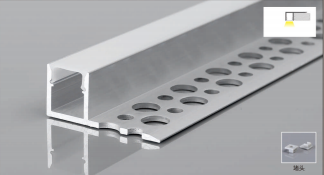
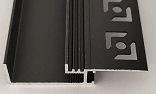
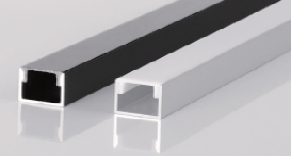
Aluminium trim profiles represent a sophisticated building material solution that combines structural integrity with aesthetic appeal in modern construction and design applications. These precision-engineered components serve as essential finishing elements that bridge gaps, protect edges, and create seamless transitions between different surfaces and materials. Manufactured through advanced extrusion processes, aluminium trim profiles offer exceptional dimensional accuracy and consistent quality that meets rigorous industry standards. The primary functions of aluminium trim profiles encompass edge protection, surface finishing, decorative enhancement, and structural support in various architectural contexts. These profiles effectively shield vulnerable edges from damage while providing clean, professional appearances that elevate overall project quality. Technologically, aluminium trim profiles feature superior corrosion resistance due to natural oxide layer formation, ensuring longevity in diverse environmental conditions. The lightweight nature of aluminum combined with its impressive strength-to-weight ratio makes these profiles ideal for applications where structural performance cannot be compromised. Advanced surface treatments, including anodizing, powder coating, and specialized finishes, enhance both durability and visual appeal while maintaining the inherent properties of the base material. Manufacturing processes utilize state-of-the-art extrusion technology that enables complex cross-sectional designs, allowing for customized solutions that meet specific project requirements. The applications of aluminium trim profiles span residential, commercial, and industrial sectors, including window and door frames, curtain wall systems, interior finishing, furniture manufacturing, automotive components, and marine applications. These profiles excel in environments requiring moisture resistance, temperature stability, and minimal maintenance requirements. The versatility of aluminium trim profiles extends to compatibility with various installation methods, from mechanical fastening to adhesive bonding, providing flexibility for different construction approaches and design preferences.
 EN
EN