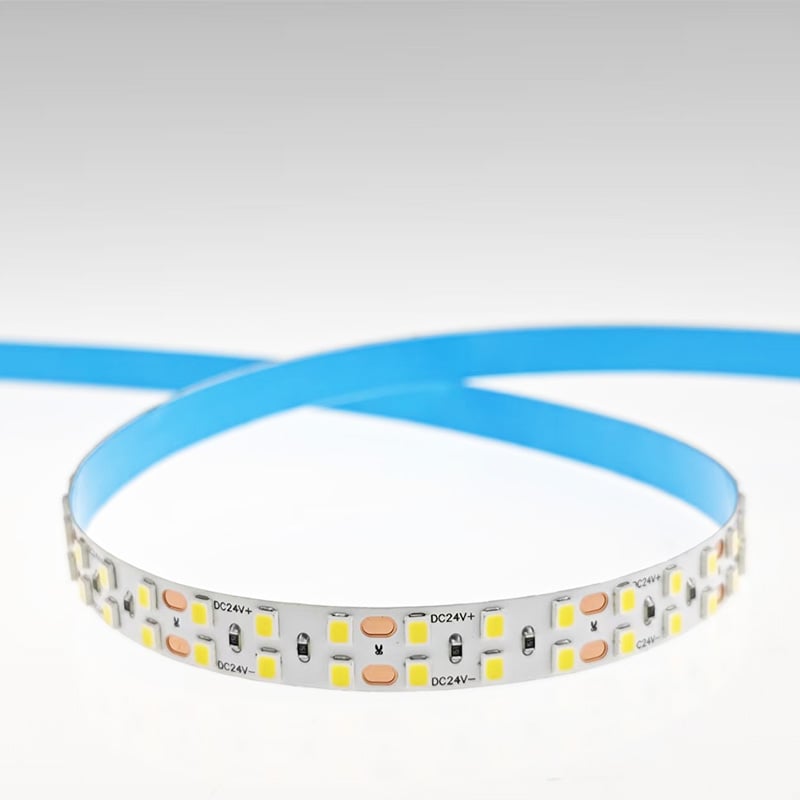
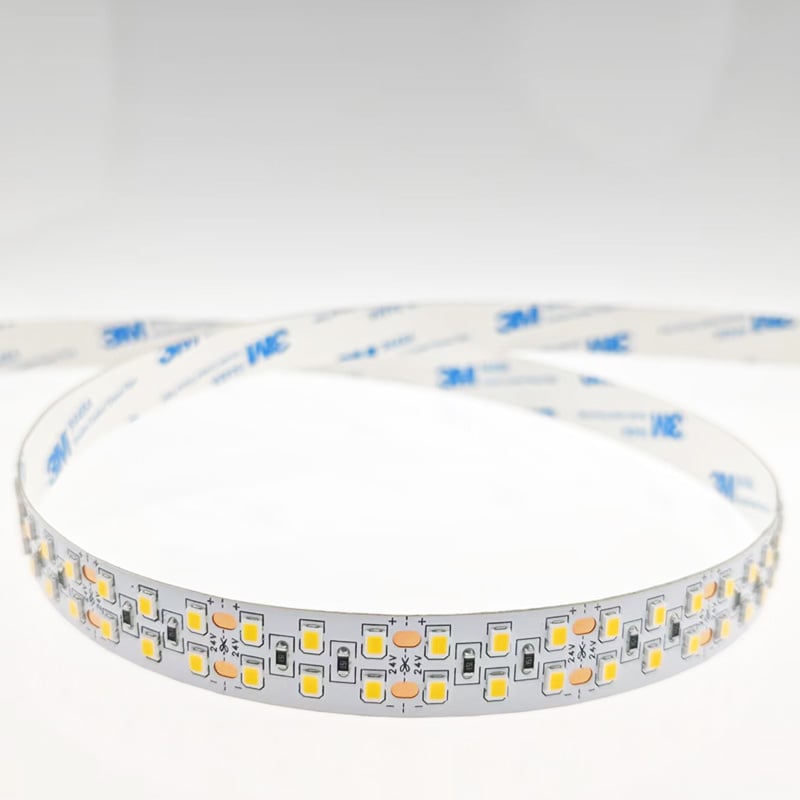
LED strips are popular, but misinformation is everywhere. Many buyers make decisions based on myths—leading to poor performance, wasted money, or unsafe installations. Here are the most common misconceptions and the facts you need.
Myth 1: "Higher wattage means brighter light"
Fact: Wattage measures power consumption, not brightness. A 10W strip with 120 lm/W produces 1200 lumens. A 12W strip with 80 lm/W produces only 960 lumens—less light despite higher wattage. Always compare lumens, not watts. Efficiency (lm/W) is what matters.
Myth 2: "All LED strips are the same—just pick a colour"
Fact: Strips vary dramatically in CRI, SDCM, copper weight, LED density, adhesive quality, and lifespan. A $5 strip may last 15,000 hours with poor colour rendering. A $15 strip can last 50,000+ hours with CRI 90+. The price difference pays for performance and longevity.
Myth 3: "CRI 80 is fine for everything"
Fact: For living spaces, retail, or photography, CRI 80 makes colours look dull and washed out. CRI 90+ renders vibrant, natural colours. The difference is visible—especially in kitchens, bathrooms, and display areas. For skin tones and art, CRI 95+ is recommended.
Myth 4: "12V and 24V strips are interchangeable"
Fact: They are not. Using a 24V strip on a 12V driver won't light up. Using a 12V strip on a 24V driver will instantly destroy the LEDs. Always match voltage exactly. For runs over 5 metres, 24V is recommended for reduced voltage drop.
Myth 5: "Waterproof strips are always better"
Fact: Waterproof coatings (IP65) reduce light output by 10–20% and trap heat. They also cost more and make soldering difficult. For dry indoor locations, IP20 strips are brighter, run cooler, and are easier to install. Choose waterproof only where moisture is present.
Myth 6: "You can cut anywhere on the strip"
Fact: Strips have designated cut marks with copper pads. Cutting elsewhere breaks the circuit and kills that section. Always cut precisely at the marked points. Some strips have segments—check the datasheet for the minimum cutting interval.
Myth 7: "Any dimmer works with LED strips"
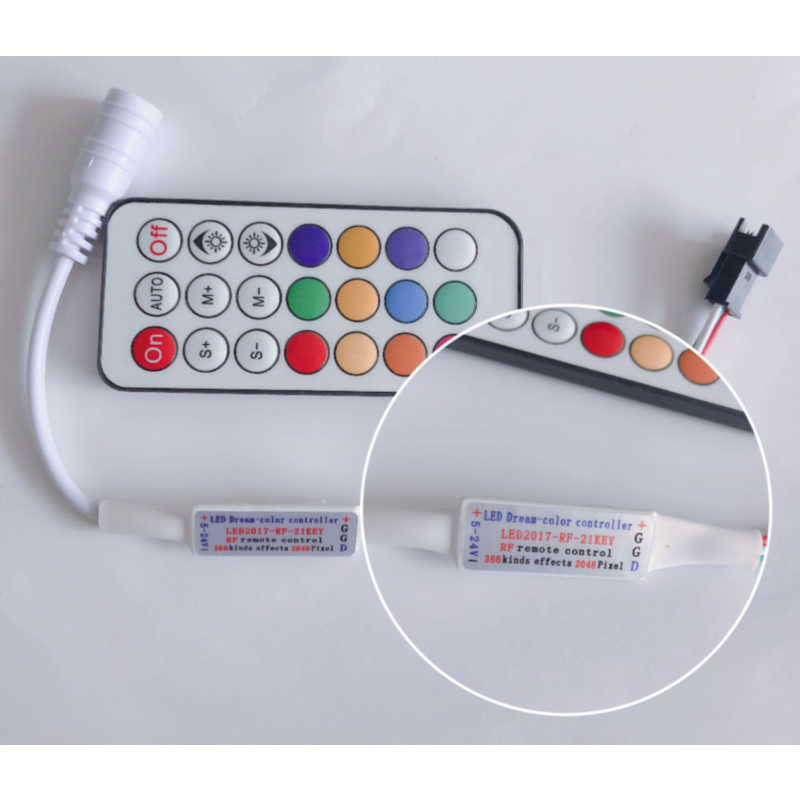
Fact: Traditional leading-edge dimmers cause flicker and buzzing. LEDs require PWM (pulse-width modulation) dimming at high frequency (2000Hz). Choose a dimmer specifically designed for constant-voltage LED strips.
Final Thoughts
Don't fall for common myths. Choose based on specifications—lumens, CRI, voltage, and copper weight—not just price or marketing claims. A little research upfront saves frustration and money later. Need help separating fact from fiction? Contact us for honest, transparent advice on your LED strip project.
 Hot News
2026-07-24
2026-07-24
2026-07-24
2026-07-24
2026-07-24
2026-07-24
 EN
EN