The LED strip lights we use today are the result of decades of innovation. What began as a scientific curiosity has evolved into a versatile, energy-efficient lighting solution found in homes, businesses, and creative projects worldwide.
The Fluorescent Era (Pre-1980s)
Before flexible LED strips, linear lighting meant fluorescent tubes. They were bulky, fragile, and energy-hungry. Their light output degraded over time, leading to inconsistent illumination.
The Birth of the LED (1962)
The journey began in 1962 when Nick Holonyak Jr. at GE created the first practical visible-spectrum LED. Initially a byproduct of laser research, this red light was expensive—over $200 per unit—and had limited applications. For decades, LEDs served primarily as indicator lights on electronic devices.
The First Flexible Strip (1988)
The modern LED strip was invented in 1988 by Pervaiz Lodhie for Eastman Kodak. Kodak needed linear lighting for its factories, leading to the "Pathlight"—a flexible strip of LEDs on a circuit board. Early versions were available only in red and green.
The 1990s: The Blue LED Breakthrough
The 1990s brought a revolution. The invention of high-brightness blue LEDs (recognized by the 2014 Nobel Prize) enabled the creation of white light by combining blue with yellow phosphor. This unlocked full-spectrum, general-purpose lighting.
The 2000s: The Rise of Flexible Strips
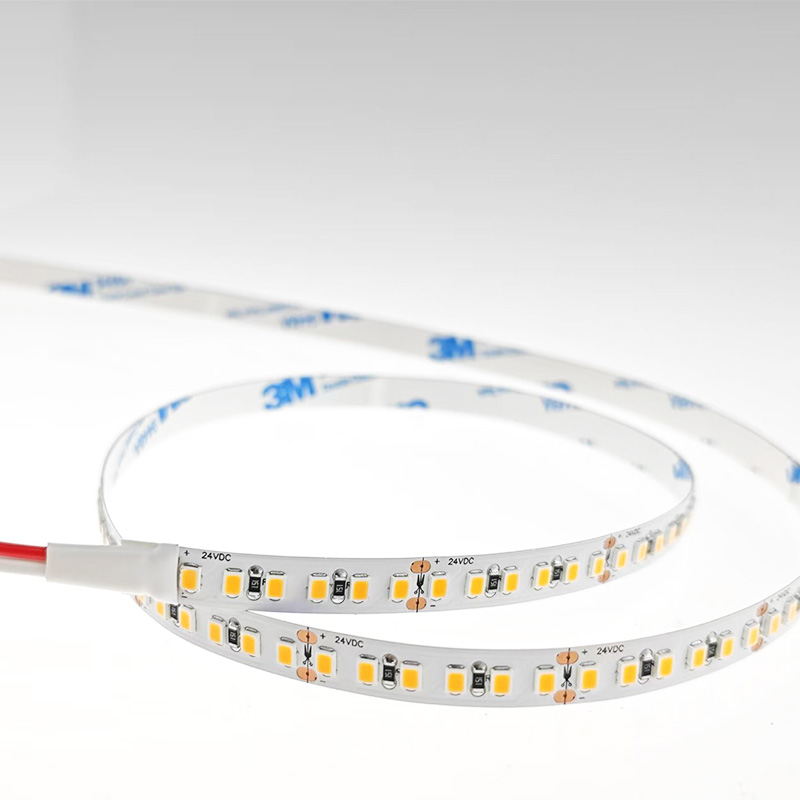
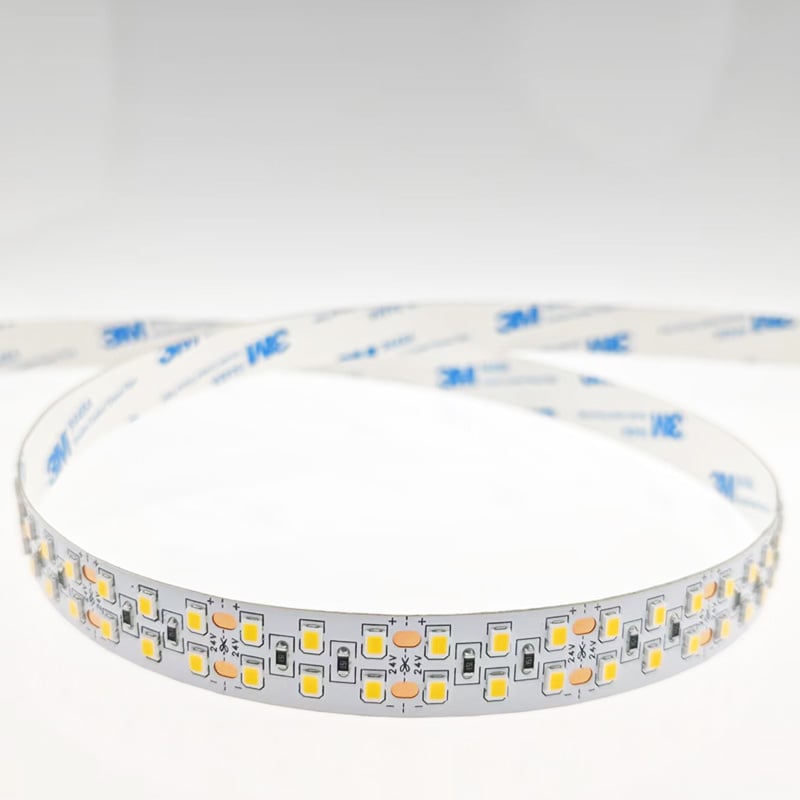
The early 2000s saw the birth of LED strip lighting as we know it. Multiple LEDs were mounted on flexible circuit boards with adhesive backing. These slim, adaptable strips could be installed in locations previously impractical for traditional lighting.
· RGB strips emerged, enabling dynamic color control
· Applications expanded from decoration to functional lighting in homes and commercial spaces
· Early LED strips had a distinct "dotted" light effect; diffusers were developed to scatter the light
The 2010s: SMD Advancements and COB Technology
SMD (Surface-Mounted Device) strips became brighter, more efficient, and more affordable. Higher densities (120+ LEDs per meter) reduced visible hotspots.
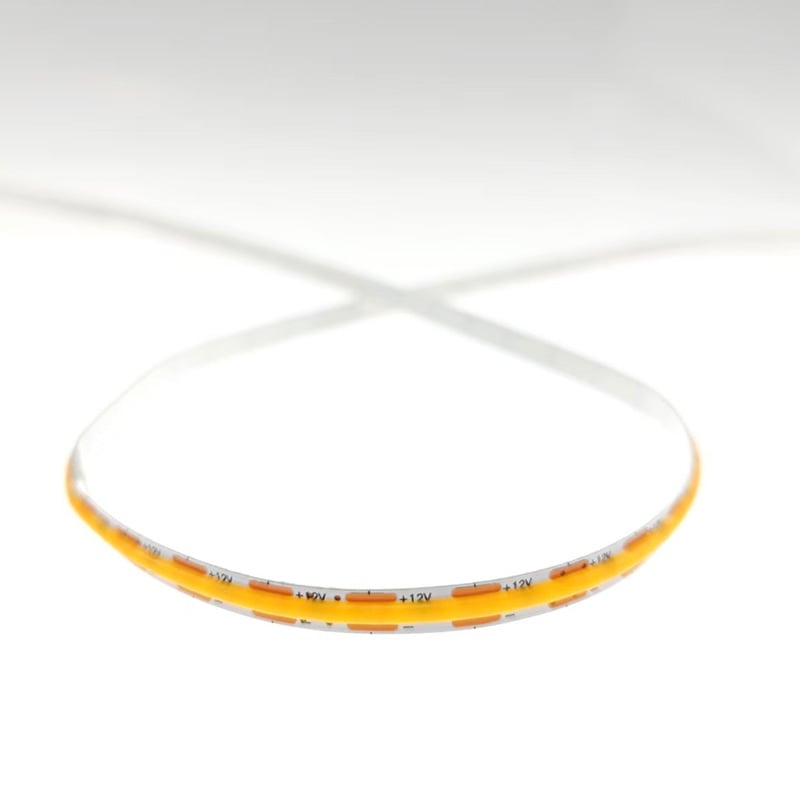
Then came COB (Chip-On-Board) technology. Multiple LED chips were mounted directly onto the substrate, dramatically increasing emitter density—from about 120 to 480 per meter. The result: seamless, dot‑free illumination and superior heat dissipation.
Today and Beyond: Smart and Sustainable
Modern LED strips are smarter than ever. Smart LED strips connect via Wi‑Fi, Zigbee, or Bluetooth, controlled by apps or voice assistants. Tunable white technology adjusts colour temperature throughout the day, supporting natural circadian rhythms.
The future promises even thinner, more flexible designs, higher CRI, and deeper integration with smart home systems.
Timeline Summary
Era Milestone
1962 First practical visible LED invented by Nick Holonyak Jr.
1988 First flexible LED "Pathlight" strip for Kodak
1990s Blue LED enables white light; full-spectrum illumination
Early 2000s Modern adhesive-backed LED strips emerge
2010s SMD advances; COB delivers dot‑free, high-density light
Today Smart, tun-able, human-centric LED strips
Final Thoughts
From a $200 red indicator to today's smart, color tun-able strips, LED technology has come a long way. Each generation brings greater efficiency, better colour quality, and more creative possibilities. Next time you install a strip, you're benefiting from over 60 years of innovation. We're proud to be part of this ongoing story. Explore our cutting-edge LED strips—and experience the future of light, today.
 Hot News
2026-07-24
2026-07-24
2026-07-24
2026-07-24
2026-07-24
2026-07-24
 EN
EN