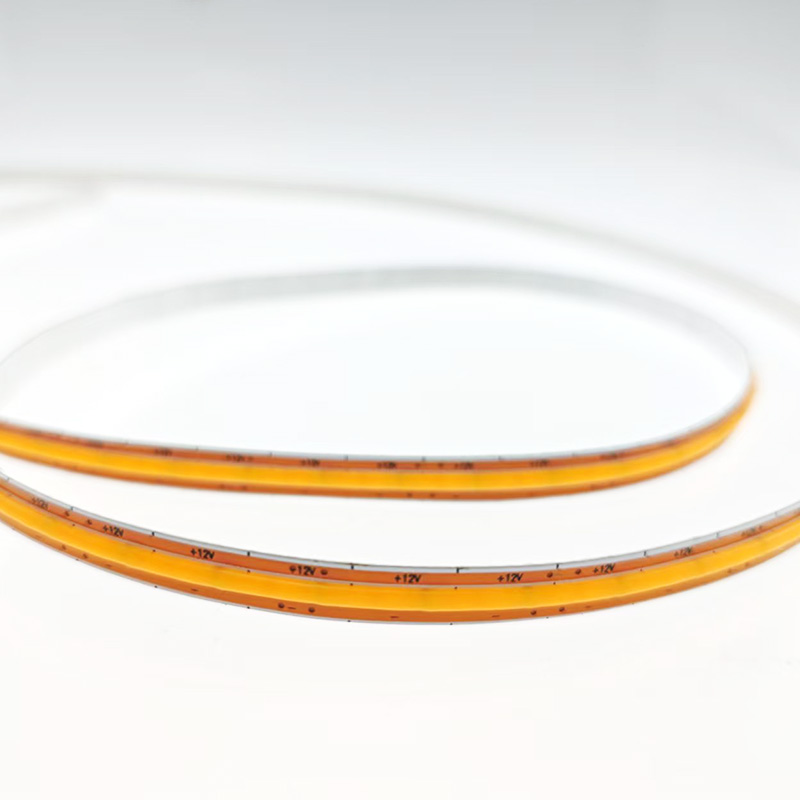
LED strip lights (also known as LED tape or flexible LED ribbons) have revolutionized modern lighting. They’re energy-efficient, easy to install, and incredibly adaptable. Whether you’re a homeowner, interior designer, or business owner, here are 10 practical applications to get the most out of your LED strips.
1. Accent & Cove Lighting
Use LED strips in ceiling coves, tray ceilings, or behind crown molding. This creates a soft, indirect glow that makes rooms feel larger and more luxurious. Warm white (2700K–3000K) is ideal for living rooms and bedrooms.
2. Under-Cabinet Kitchen Lighting
Mount strips under upper cabinets to illuminate countertops. This improves task lighting for cooking and adds a modern touch. Choose high-CRI (≥90) strips for true food colors.
3. Staircase & Step Lighting
Install strips along stair risers or under handrails for safety and style. Motion-sensor controllers can auto-turn on at night – a great feature for hotels or family homes.
4. Shelf & Display Case Lighting
Highlight collectibles, books, or retail products with strips placed at the front edge of shelves. For glass cabinets, use ultra-thin (5mm) strips that are nearly invisible when off.
5. TV Backlight (Bias Lighting)
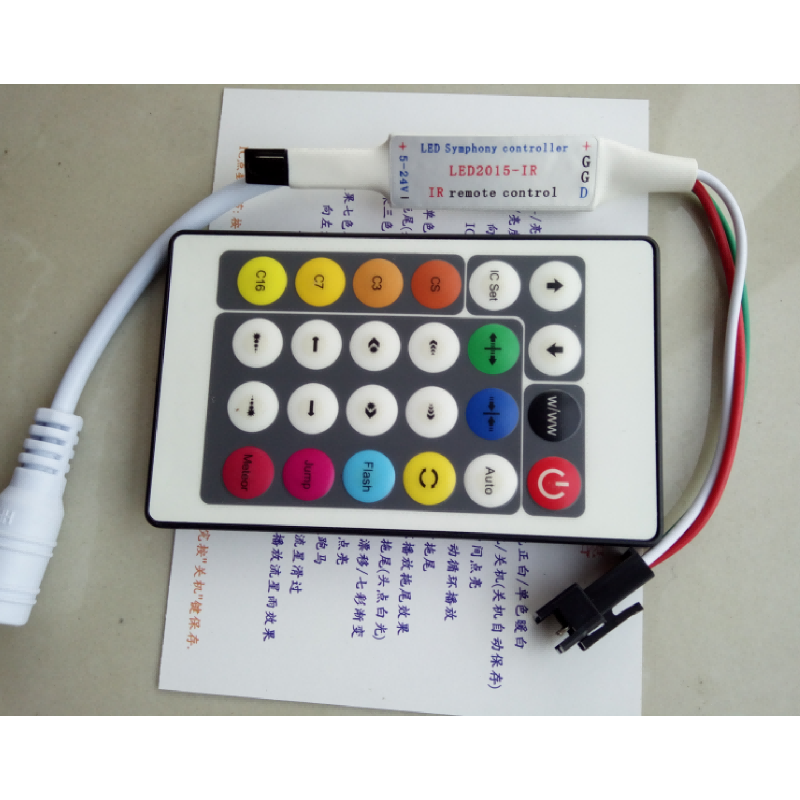
Attach a strip to the back of your TV to reduce eye strain and enhance contrast. RGBIC strips allow dynamic color changes that sync with on-screen action – a favorite for home theaters.
6. Commercial Signage & Window Displays
Flexible LED strips can form letters, logos, or backlight acrylic panels. They are dustproof (IP65 rated) for outdoor signs and use 70% less energy than neon tubes.
7. Vanity Mirror Lighting
Create “Hollywood-style” mirror lights by sticking strips around a bathroom or dressing mirror. Use daylight white (5000K–6500K) for accurate makeup application.
8. Outdoor Pathway & Landscape Lighting
IP67 waterproof strips can line garden paths, decks, or patio steps. Opt for 12V or 24V low-voltage strips for safety and pair them with a photoelectric sensor for dusk-to-dawn operation.
9. Retail & Hospitality Atmospherics
Hotels, bars, and shops use color-changing strips to set moods. For example, a wine bar might use dimmable amber tones, while a clothing store uses cool white in fitting rooms.
10. DIY Furniture & Car Lighting
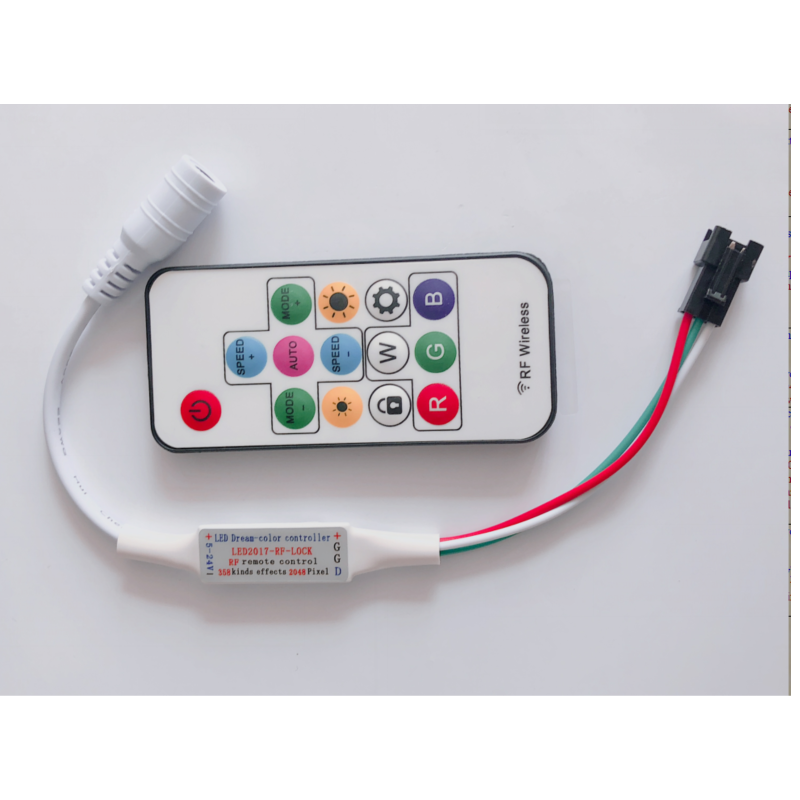
Add personality to desks, headboards, or even car interiors. Many DIYers use waterproof (IP65) strips with a remote control for underglow effects on gaming desks or motorcycle trunks.
Pro Installation Tips (From a Supplier)
· Measure twice, cut once – Most strips have cut marks every 1–2 inches (25–50mm). Use scissors only at those marks.
· Use correct connectors – Solderless clip connectors save time for corners or joining two strips.
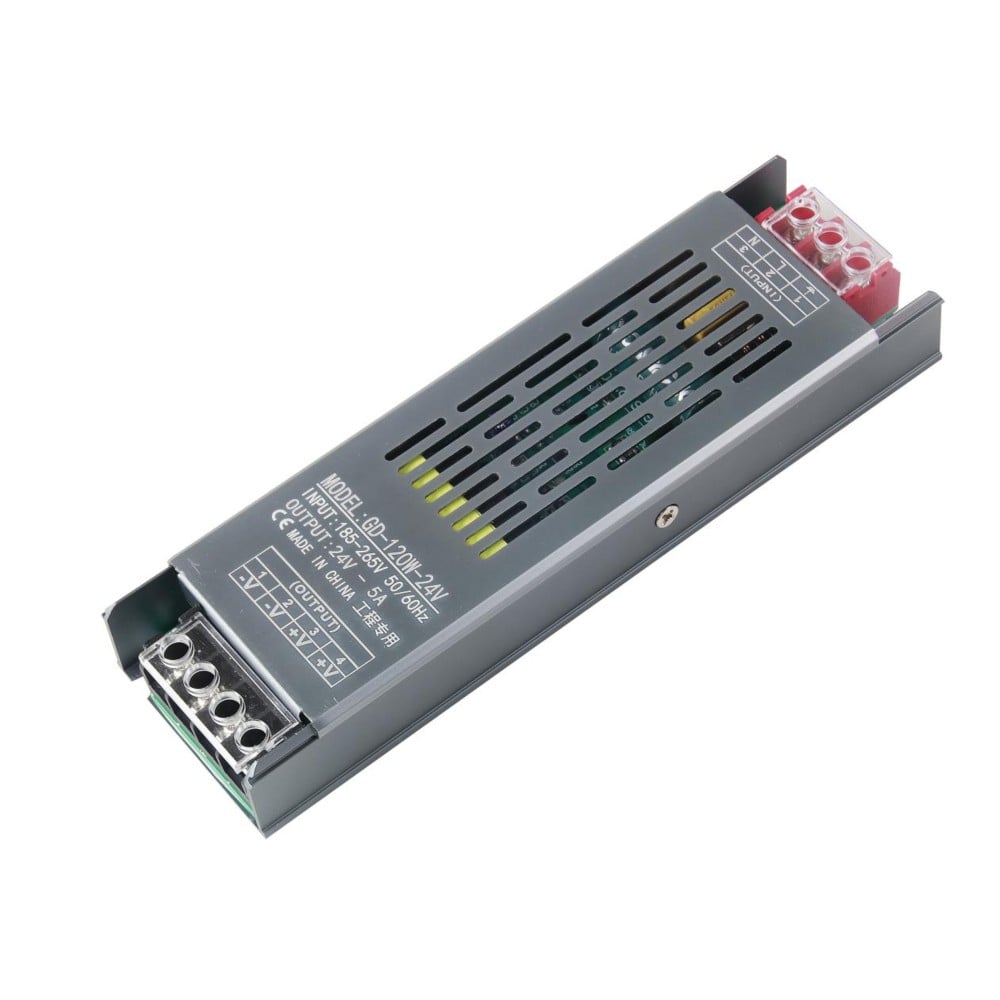
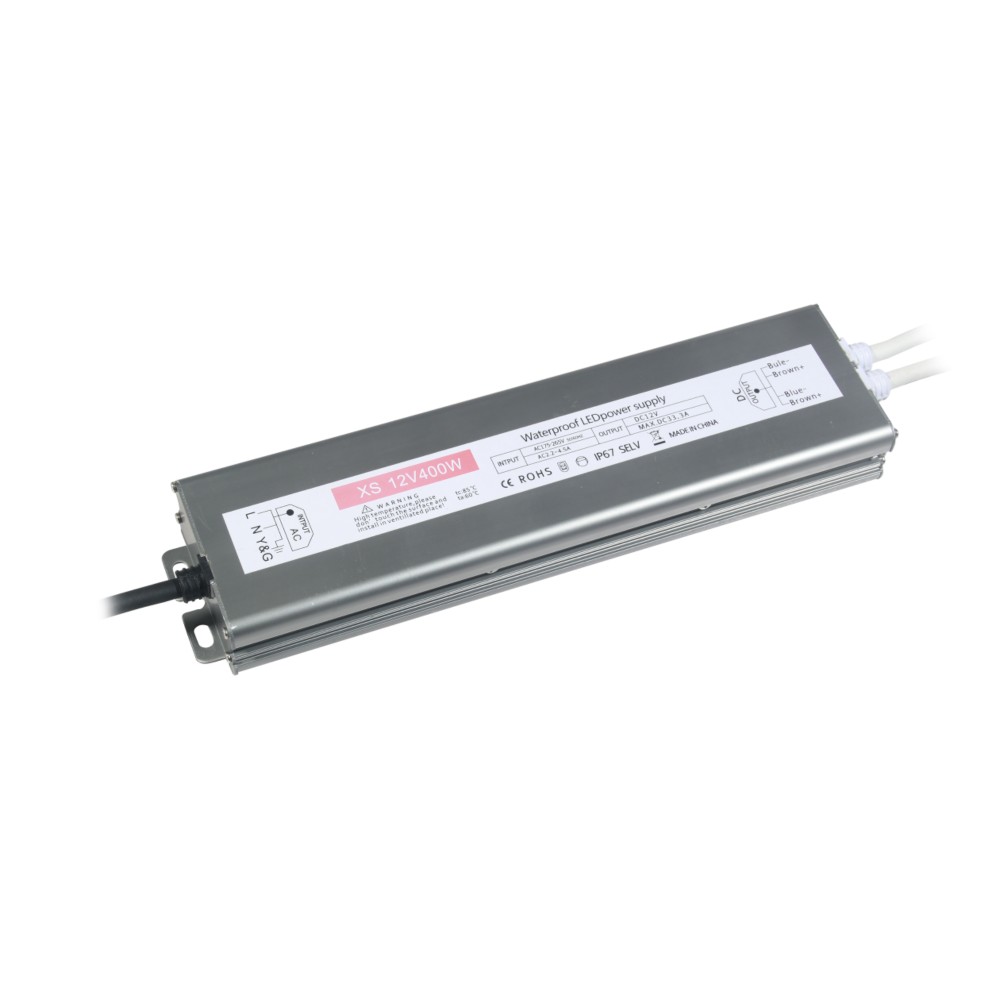
· Don’t overload power supplies – A 5m (16ft) strip of 60 LEDs/m draws about 72W at full brightness. Use a 20% larger supply (e.g., 90–100W).
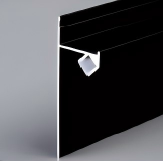
· Heat management – For high-density strips (144 LEDs/m), attach aluminum channels for heat dissipation and a cleaner look.
Which LED Strip Should You Choose?
· Basic home accent: 60 LEDs/m, 12V, non-waterproof (IP20)
· Kitchen/bathroom: 120 LEDs/m, 24V, silicone coating (IP44)
· Outdoor/landscape: 60 LEDs/m, 24V, IP67 (full silicone tube)
· RGB vs. RGBIC: RGB shows one color at a time; RGBIC shows multiple colors simultaneously (e.g., rainbow effects).
Final Words
LED strip lights are one of the most cost-effective ways to upgrade any space. As a supplier, we recommend starting with a small project (like under-cabinet lighting) to get comfortable with cutting and connecting. Once you’ve mastered the basics, the possibilities are endless.
 Hot News
2026-07-24
2026-07-24
2026-07-24
2026-07-24
2026-07-24
2026-07-24
 EN
EN