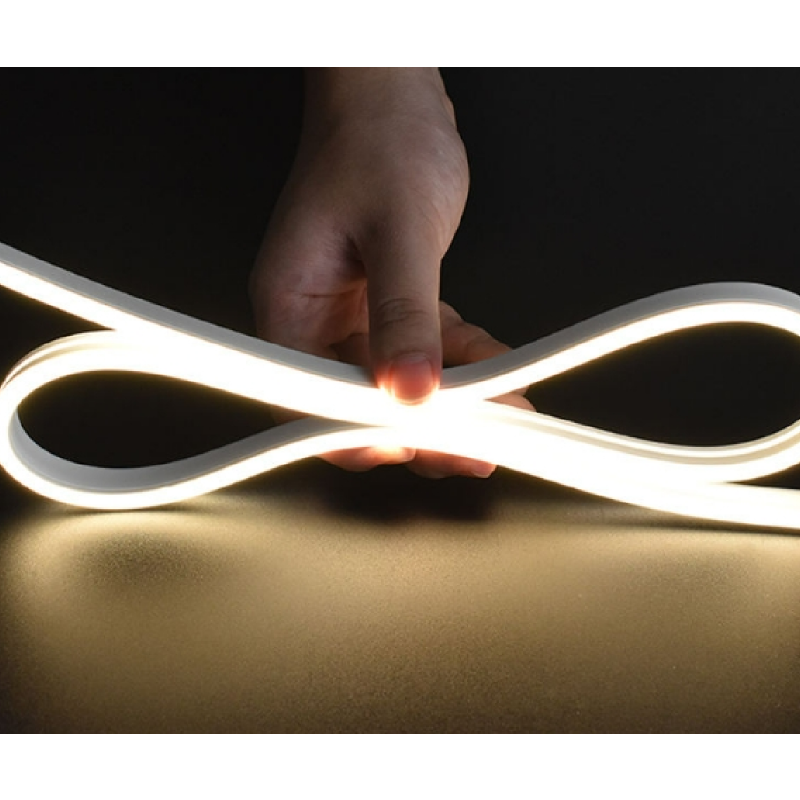
LED strip lights (also known as tape or ribbon lights) have changed how we light spaces. They’re flexible, energy-efficient, and ideal for accent lighting, task lighting, or even main illumination. But with so many options – from 12V vs. 24V to RGB vs. tunable white – it’s easy to feel lost. This guide breaks down what really matters, helping you buy the right strip the first time.
1. Know Your Voltage: 12V vs. 24V
Most strips run on low-voltage DC power. 12V strips are common for small projects like under-cabinet lighting (under 5 meters). 24V strips are better for longer runs (over 5 meters) because they suffer less voltage drop – meaning the end of the strip stays as bright as the start. For commercial jobs or long home installations, choose 24V.
2. Brightness & LEDs per Meter
Brightness isn’t just about wattage – look at lumens per meter and LED density. Standard densities: 30, 60, or 120 LEDs/m.
· 30 LEDs/m: soft accent light (cove lighting).
· 60 LEDs/m: general task lighting (kitchen counters).
· 120 LEDs/m or more: high-output, no visible hotspots.
Pro tip: Higher density means smoother, more professional-looking light.
3. Color Temperature & CRI
For white-light strips, color temperature (measured in Kelvin) sets the mood:
· 2700K-3000K – Warm white (cozy, living rooms)
· 4000K-4500K – Neutral white (bathrooms, offices)
· 5000K-6500K – Cool white (retail, garages)
CRI (Color Rendering Index) matters more than you think. A CRI of 90+ makes colors look natural; below 80 makes skin and objects look dull. Always ask for high-CRI strips for hospitality or residential projects.
4. IP Rating – Waterproof or Not?
IP stands for Ingress Protection. Common ratings:
· IP20 – No protection (indoor, dry areas only)
· IP65 – Silicone coating (splash-proof, good for kitchens)
· IP67 / IP68 – Fully sealed in a silicone tube (outdoor, bathrooms, even submerged)
Don’t use IP20 near moisture – it’s a fire and shock hazard.
5. Installation Mistakes to Avoid
Even the best strip fails if installed poorly. Follow these rules:
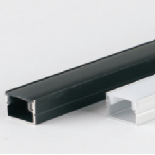
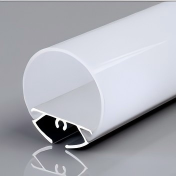
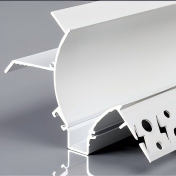
· Always use an aluminum profile – it acts as a heat sink, extending LED life from 2 years to 8+ years.
· Check power supply wattage – Add 20% headroom. If your strip uses 60W, buy a 72W (or higher) driver.
· Don’t bend sharply – Minimum bend radius is usually 2–3 cm. Sharp bends break copper traces.
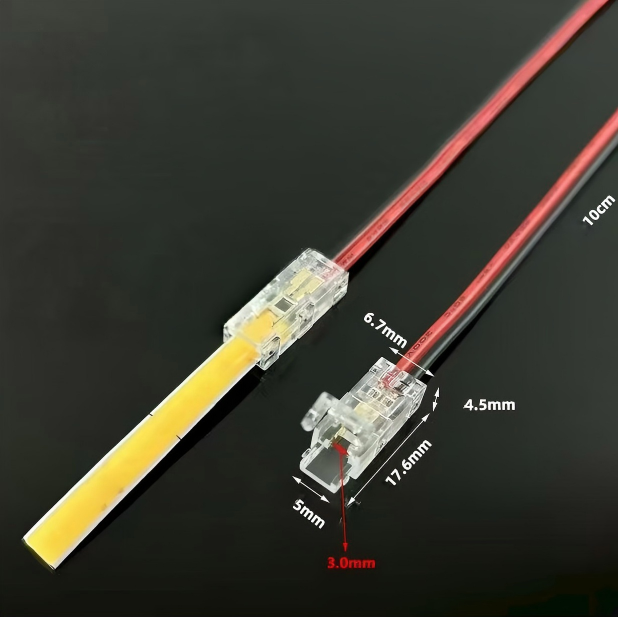
· Solder or use clips? – Soldering gives reliable connections; screw-terminal clips are easier but less durable outdoors.
6. Popular Applications
· Under-cabinet lighting – 60 LEDs/m, 3000K, IP20, with a shallow profile.
· TV backlight – RGB or tunable white, mounted behind the screen (reduces eye strain).
· Outdoor pathway – IP67, 24V, warm white (2700K) to avoid attracting bugs.
· Commercial signage – High-density (140 LEDs/m) with high CRI for true brand colors.
Conclusion
Choosing the right LED strip comes down to four questions: Where is it used? (IP rating). How long is the run? (Voltage). How bright? (LEDs/m). What color feel? (Kelvin & CRI). Avoid the cheapest no-name strips – they often use poor-quality adhesive and undersized copper. Invest in a trusted brand or supplier, and you’ll get years of maintenance-free light.
 Hot News
2026-07-24
2026-07-24
2026-07-24
2026-07-24
2026-07-24
2026-07-24
 EN
EN