LED strip lights have revolutionized residential and commercial lighting. Flexible, energy-efficient, and easy to install, they open up endless design possibilities. But with so many options on the market, how do you choose the right one? This guide covers the essentials.
1. Main Types of LED Strips
· Single‑Color–Fixed white (warm, neutral, cool) or basic colors like red/blue. Ideal for under‑cabinet or cove lighting.
· Tunable White–CCT (correlated color temperature) adjustable from warm to cool white. Perfect for human‑centric lighting.
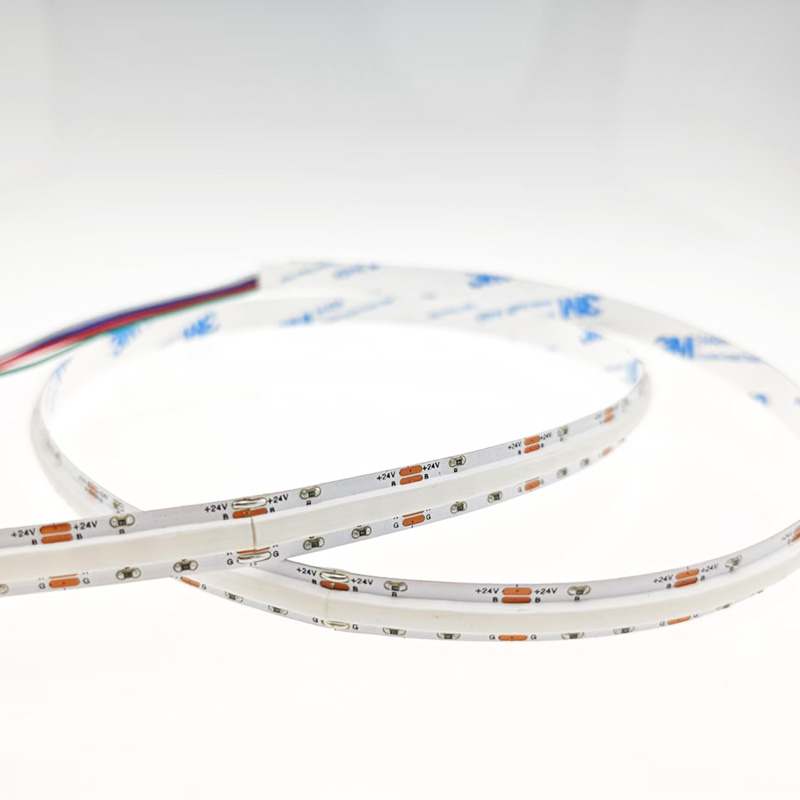
· RGB–Red, green, blue; creates up to 16 million colors via a controller. Great for accent or party lighting.
· RGBIC / RGBW / RGBCCT–RGBIC shows multiple colors on one strip without visible segments. RGBW adds a true white LED; RGBCCT combines RGB with tunable white.
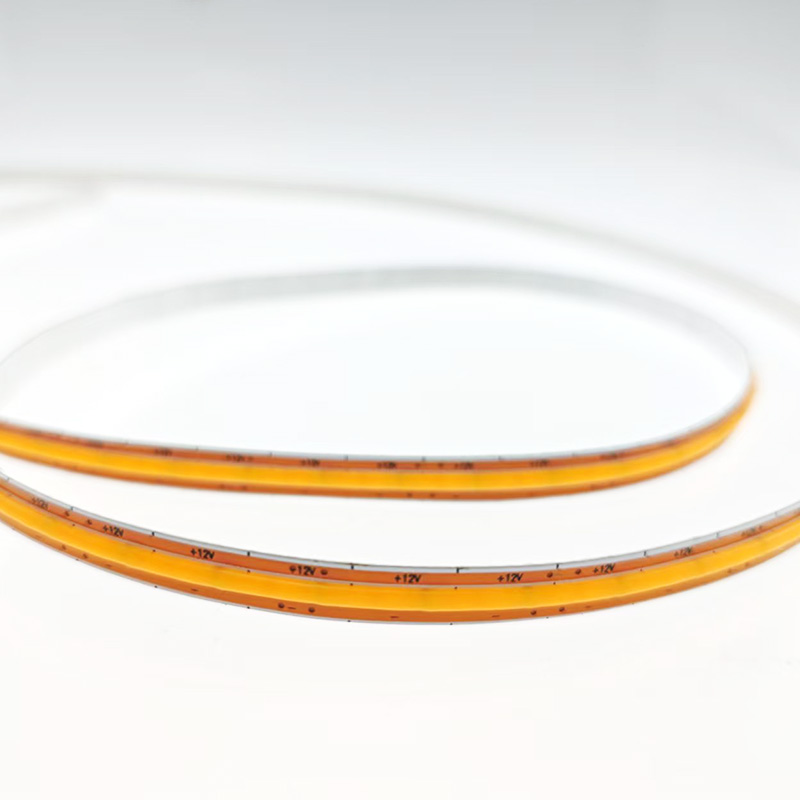
· COB (Chip-on-Board) – High density of LED chips for a continuous, shadow‑free beam–the closest to a neon effect.
2. Key Technical Parameters
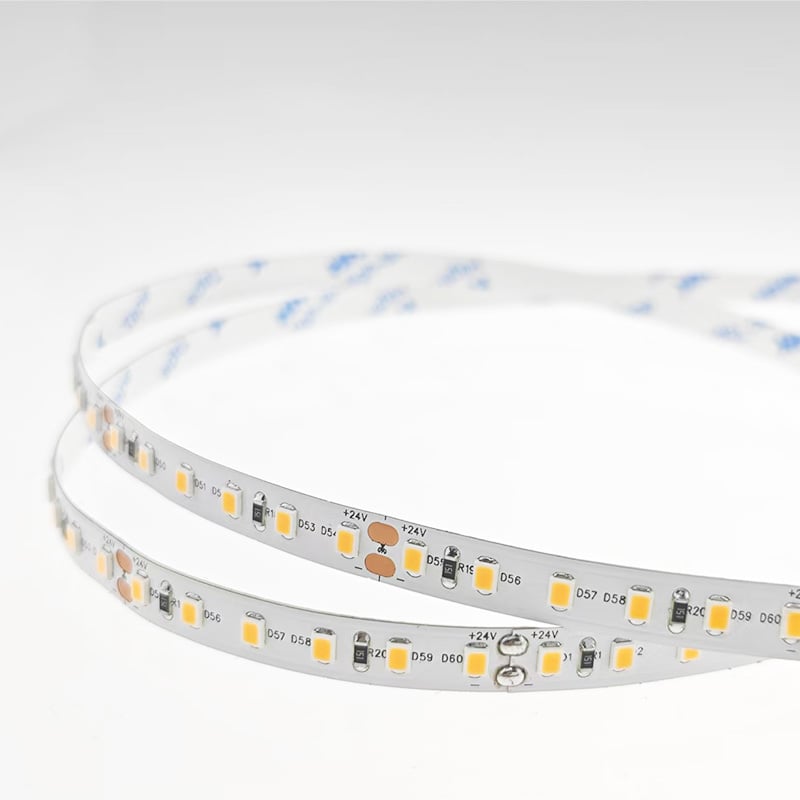
· Voltage–Most common: 12V or 24V DC (24V allows longer runs without voltage drop). Also available: 5V (USB‑powered) and 48V for ultra-long runs.
· Power (W/m) Determines brightness. Typical: 4.8W/m to 20W/m. Higher wattage = brighter, but requires larger power supplies.
· Luminous Flux (lm/m)–True brightness indicator. ~400 lm/m is moderate, 1000 lm/m is very bright.
· CRI (Color Rendering Index)–For white strips, aim for CRI ≥90 for accurate color rendering. CRI 80 is standard, CRI 95+ for retail/artwork.
· IP Rating–IP20 (indoor, no protection), IP65 (silicone coating, splash‑proof), IP67 (sealed tube, waterproof for outdoors).
3. Installation Best Practices
1. Measure & Plan–Calculate total length. Add 10–15% extra for corners and waste.
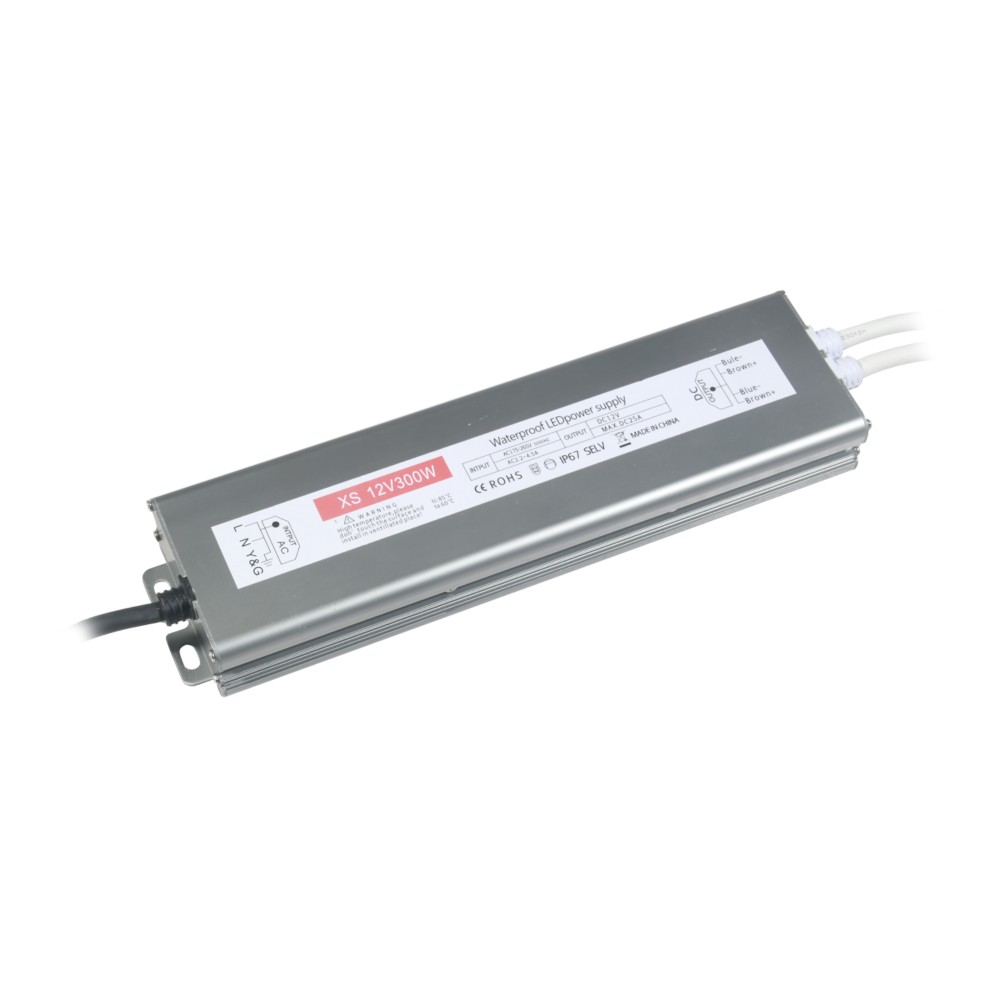
2. Choose the Right Power Supply–Power supply wattage ≥ total strip wattage × 1.2 (safety margin).
3. Clean Surface–Degrease the mounting area. Adhesive 3M tape works best on smooth, dry surfaces.
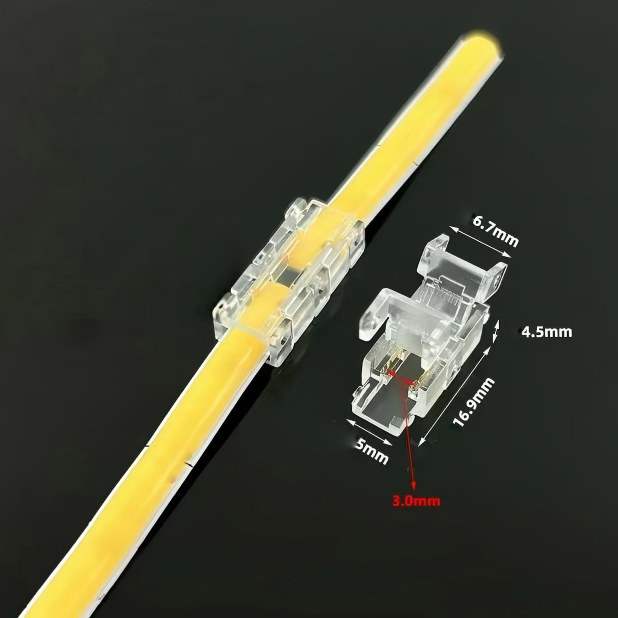
4. Use Connectors or Solder–For reliable joints, soldering is best. Quick connectors (clip‑on or solderless) are fine for short, low‑power runs.
5. Manage Voltage Drop–For runs 5m (16ft), feed power from both ends or use thicker wires. 24V strips drop less than 12V.
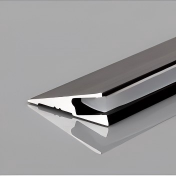
6. Diffusers–Aluminum channels with frosted covers eliminate hotspots and look professional. They also help heat dissipation.
4. Maintenance & Lifespan
Quality LED strips last 30,000–50,000 hours. To maximize life:
· Keep within operating temperature (-20°C to +45°C).
· Use proper heat sinking (aluminum channels).
· Avoid bending tightly (min bend radius ~20 mm).
· Clean dust gently with a dry brush.
Conclusion
LED strip lights offer incredible flexibility, but success lies in matching the right type, voltage, and IP rating to your project. Always buy from reputable suppliers who provide clear specs (lumens, CRI, watts per meter). Start with a small test section to verify color and brightness.
 Hot News
2026-07-24
2026-07-24
2026-07-24
2026-07-24
2026-07-24
2026-07-24
 EN
EN