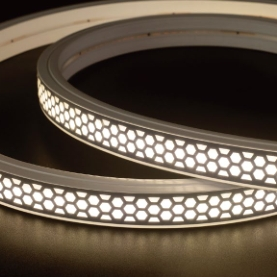
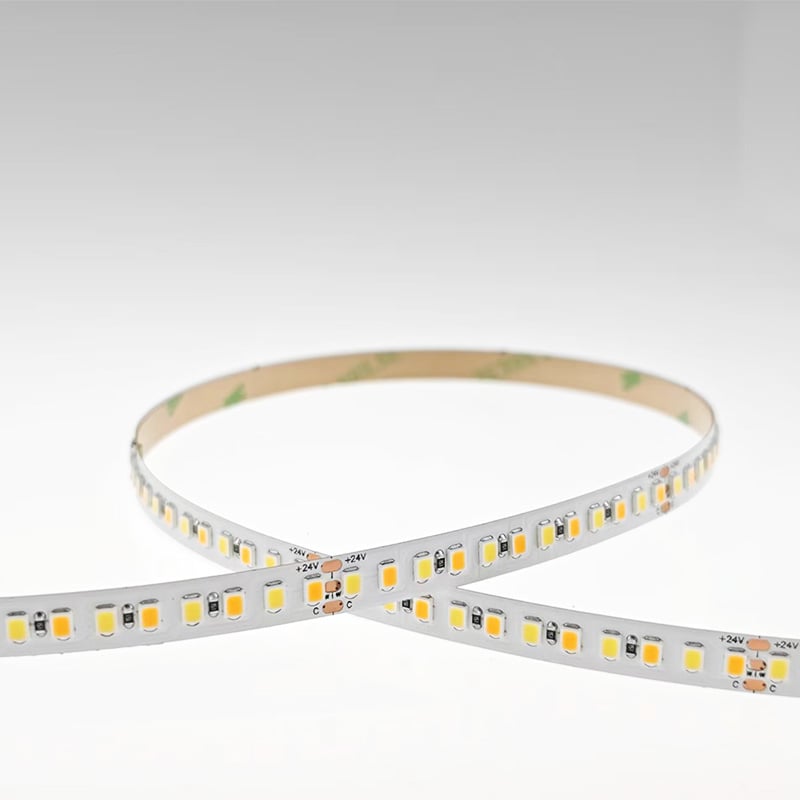
Sourcing LED strips through OEM (Original Equipment Manufacturer) procurement can be challenging—especially when quality, consistency, and cost all matter. As a professional LED strip supplier, we’ve helped hundreds of buyers navigate this process. Here’s what you need to know before placing your next OEM order.
What Is LED Strip OEM Procurement?
OEM procurement means you provide specifications (dimensions, PCB color, LED type, CCT, CRI, voltage, IP rating, etc.), and the manufacturer produces the strips under your brand. Unlike off-the-shelf products, OEM allows full customization—from reel length to connector types and packaging.
5 Critical Factors for Successful OEM Sourcing
1. Clear Technical Specifications
Define everything: LED chip brand (e.g., Epistar, San’an, Osram), density (60, 120, 240 LEDs/m), wattage, and cut points. Ambiguity leads to mismatched output.
2. Quality Assurance & Testing
Request a QC report covering solder joint integrity, copper thickness, and lumen maintenance. Reputable suppliers offer burn-in testing and provide samples before mass production.
3. Customization Capabilities
Can they match your Pantone color for the PCB? Do they support non-standard voltages (12V, 24V, 48V) or tunable white? A flexible OEM partner saves you redesign costs.
4. Minimum Order Quantity (MOQ)
Low MOQ (e.g., 500 meters) is ideal for startups or seasonal projects. Large-scale buyers can negotiate volume discounts.
5. Lead Time & Logistics
Typical OEM lead time: 15–25 days after sample approval. Ask about shipping options (air vs. sea) and whether the supplier handles customs documentation.
Why OEM Beats Buying Standard Strips
· Brand differentiation: Unique color temperatures, PCB colors, and waterproofing levels set you apart.
· Cost efficiency: No overpaying for features you don’t need.
· Scalability: Consistent batches ensure repeat orders match exactly.
Red Flags to Avoid
· Suppliers who cannot provide CE, RoHS, or UL certifications.
· No on-site factory audit or third-party inspection.
· Vague warranty terms (reputable OEMs offer 2–5 years).
Final Tips for Procurement Success
Always start with a small trial order (3000–5000 meters). Test for thermal performance, adhesive strength, and color consistency across reels. Build a long-term relationship with a supplier that communicates openly—OEM is a partnership, not a transaction.
 Hot News
2026-07-24
2026-07-24
2026-07-24
2026-07-24
2026-07-24
2026-07-24
 EN
EN