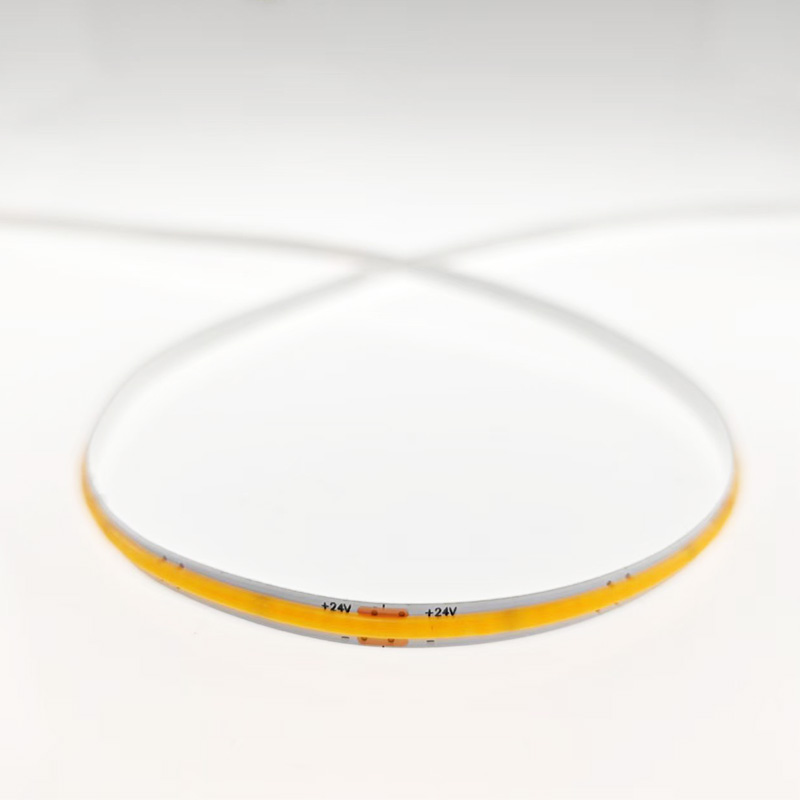
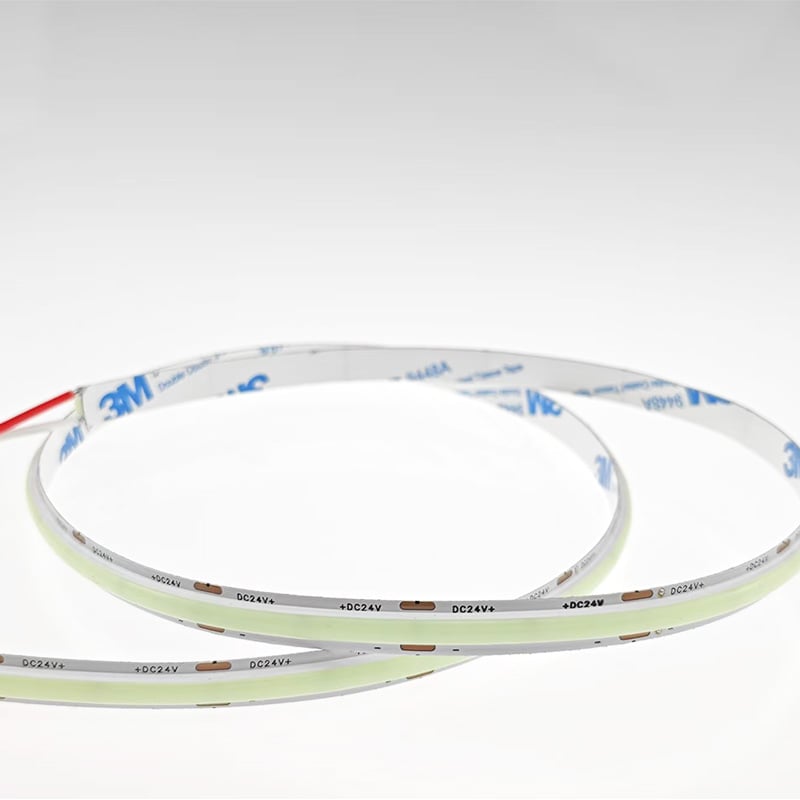
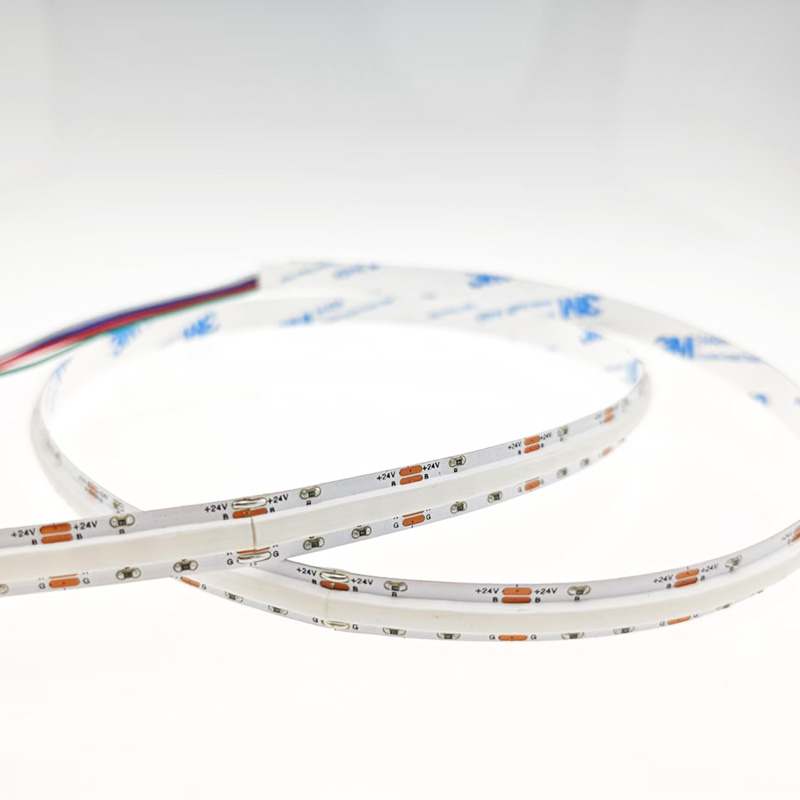
Stop treating LED strip lights as a commodity. Discover 3 overlooked angles for OEM sourcing—material science, thermal management, and intelligent control—that boost margins and reduce returns.
1. The “Invisible” Spec: PCB Copper Weight
Most buyers specify LED chips and IP rating. Almost nobody asks about copper thickness on the flexible PCB. Yet this single factor determines voltage drop, heat dissipation, and lifespan.
Standard strips use 1 oz copper. After 10 meters, the far end is visibly dimmer. For runs over 15 meters, you either inject power—adding labor and connectors—or accept uneven lighting.
Better OEM suppliers offer 2 oz or 3 oz copper PCBs. The cost increase is ~12-18%, but you eliminate power injection for runs up to 20 meters. That’s a cleaner install, lower BOM, and a unique selling point for lighting designers.
OEM takeaway: Ask for PCB copper weight. Don’t assume it’s standard.
2. Thermal Management – The Silent Warranty Killer
Adhesive fails. Strips peel off aluminum channels. Customers blame “bad glue,” but the real culprit is heat.
When a strip runs at 85°C inside a channel, the adhesive’s acrylic bond weakens in weeks. Worse, high-temperature operation shifts LED color temperature by 300-500K—your “warm white” becomes yellow-green.
A qualified supplier will test:
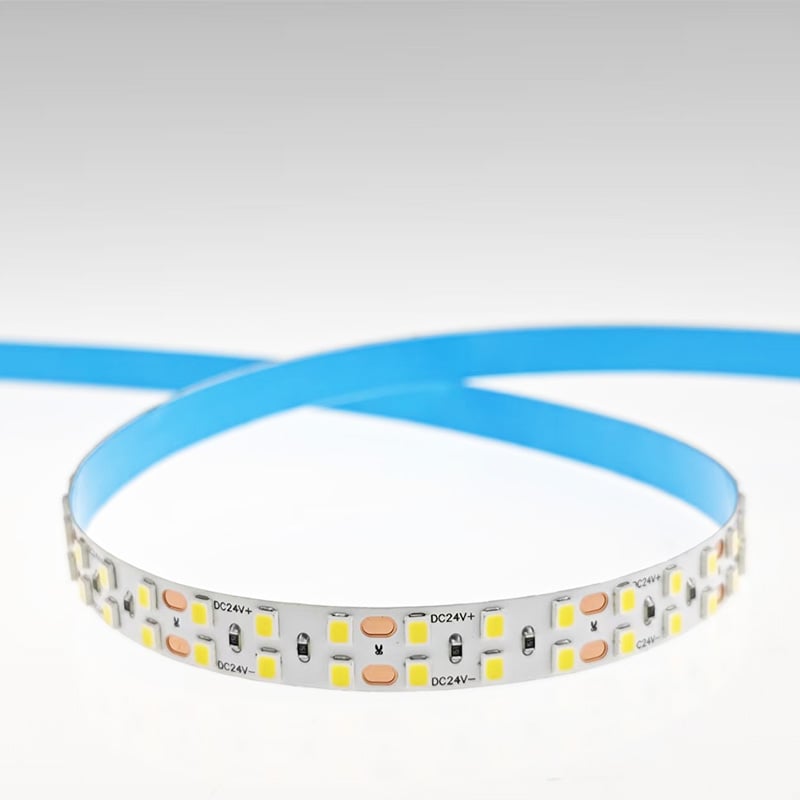
· Junction temperature at maximum density (e.g., 24V, 240 LEDs/m)
· Temperature rise in closed vs. open channels
· Adhesive shear strength after 1,000 thermal cycles
3. Intelligent Control as Standard, Not an Add-On
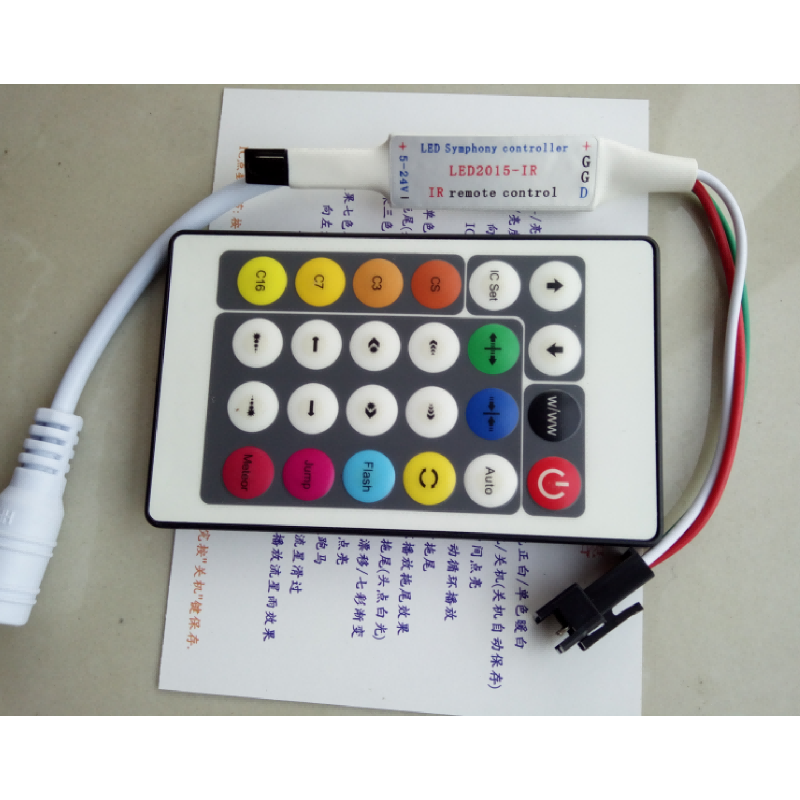
Static white strips are dying. But simply adding an IR remote or Bluetooth module isn’t differentiation—it’s table stakes.
The new angle is embedded tunable white with memory. Your OEM strip should:
· Maintain last color/mode after power loss
· Accept both PWM (Pulse Width Modulation) and DALI (Digital Addressable Lighting Interface) without extra drivers
· Support OTA firmware updates via a standardized UART port
Why does this matter? Commercial projects now demand circadian lighting and energy reporting. If your strip can’t talk to a building management system, you’re excluded from 40% of the market.
How to Audit Your Next OEM Partner
Before signing that supplier agreement, request these three documents:
1. PCB cross-section photo–confirms actual copper thickness
2. LM-80 test data–not just for chips, but for the assembled strip
3. A 72-hour adhesion test at 60°Con your specified surface
Any factory that hesitates is hiding yield issues.
Ready to Source Smarter?
The LED strip market has matured. Volume is no longer the advantage—engineering depth is. As an OEM supplier, I’ve seen too many brands lose margin to avoidable failures.
Focus on thermal path, PCB material, and control expandability. Your customers won’t see these features, but they’ll never call support about them either.
 Hot News
2026-07-24
2026-07-24
2026-07-24
2026-07-24
2026-07-24
2026-07-24
 EN
EN