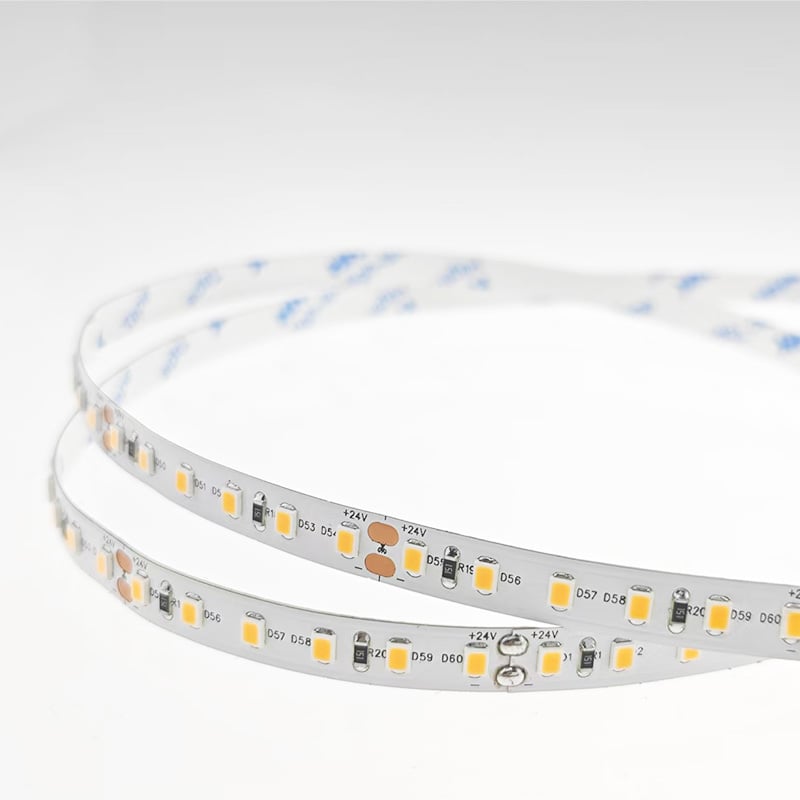
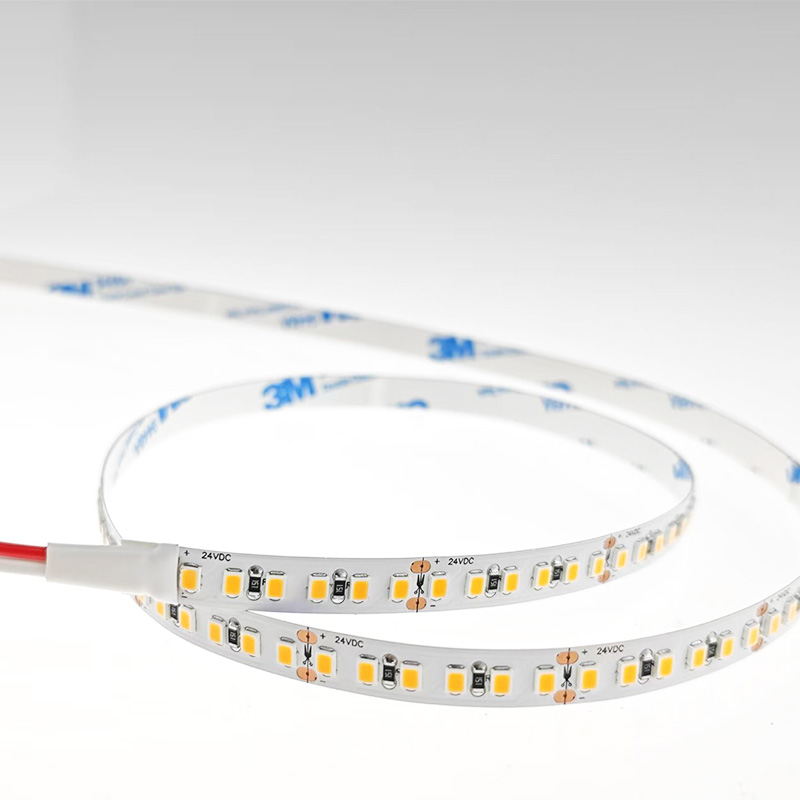
Great lighting design is about more than visibility—it's about shaping mood, highlighting architecture, and guiding the eye. LED strips are powerful tools for achieving professional results. Here's an introduction to lighting design principles.
Professional lighting design uses three layers:
1. Ambient Lighting (General)
Provides overall illumination for a space—the "base layer." LED strips in cove ceilings, perimeter channels, or behind furniture create soft, indirect ambient light. Warm temperatures (2700–3000K) suit relaxation; cooler (4000K) suits workspaces.
2. Task Lighting (Functional)
Focused light for specific activities—reading, cooking, working. Under-cabinet strips in kitchens, desk-mounted strips for offices, or reading lights by beds. Task lighting should be brighter and cooler (3500–4000K) for clarity, with CRI 90+ for colour accuracy.
3. Accent Lighting (Decorative)
Draws attention to features—artwork, architectural details, plants, or product displays. Use narrow-beam strips or directed light to create highlights. RGB strips can add dramatic colour accents.
Applying the Layers
Living Room Example
· Ambient: Cove ceiling strips at 2700K
· Task: Reading lamp (optional) or dimmed strip near seating
· Accent: Shelf strips highlighting books or art
Kitchen Example
· Ambient: Ceiling perimeter at 3000K
· Task: Under-cabinet strips at 4000K (high CRI)
· Accent: Inside glass-front cabinets at 2700K
Design Techniques
Cove Lighting
Install strips in ceiling recesses, aiming upward. Light reflects off the ceiling for soft, even ambient illumination. Use COB strips with frosted diffusers for a seamless look.
Wall Washing
Place strips in floor or ceiling channels to wash walls with even light—ideal for textured surfaces or art displays. Position strips 100–200mm from the wall for best results.
Highlighting
Direct strips at specific features—shelving, plants, or architectural details. Use aluminium profiles with narrow beam angles to control spread.
Shadow Creation
Play with light and shadow for depth. Strips behind furniture create floating effects; strips in floor recesses create dramatic shadows.
Control and Flexibility
Dimmers and smart controls let you adjust brightness and colour temperature—adapting spaces for different activities and times of day.
Final Thoughts
Good lighting design enhances how a space feels and functions. By layering ambient, task, and accent light with LED strips, you can create professional, comfortable environments that look beautiful day and night. Need design guidance? Contact our team for expert lighting advice and product recommendations.
 Hot News
2026-07-24
2026-07-24
2026-07-24
2026-07-24
2026-07-24
2026-07-24
 EN
EN