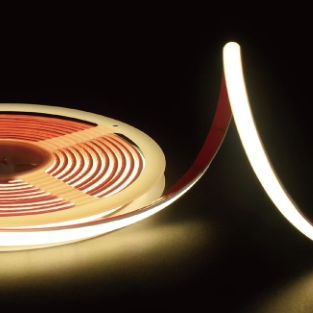
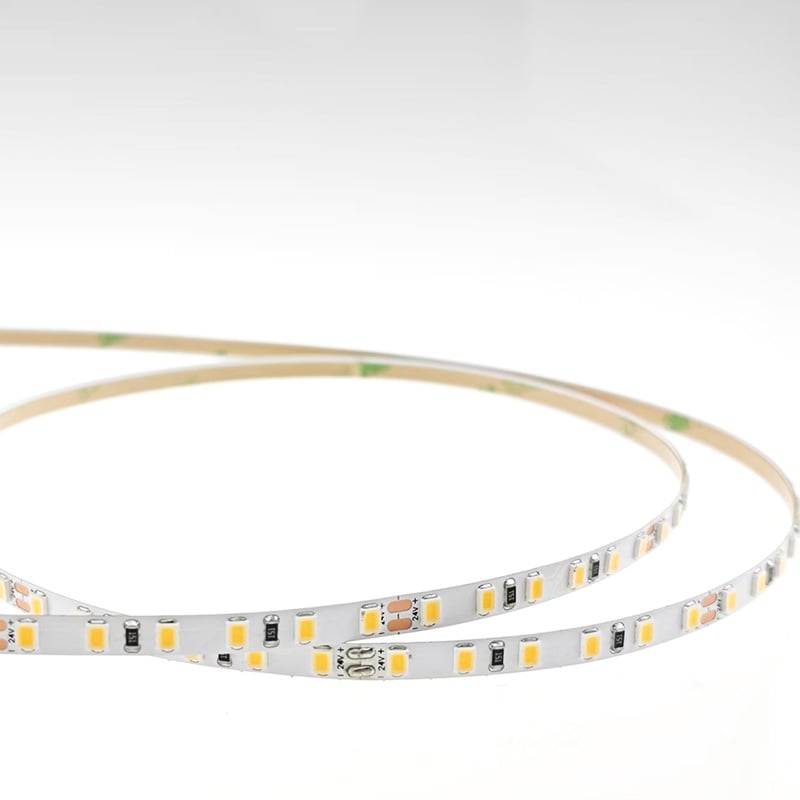
Move over, cove lighting. Discover how high-density LED strips are solving real problems in predictive maintenance, seismic monitoring, and industrial automation.
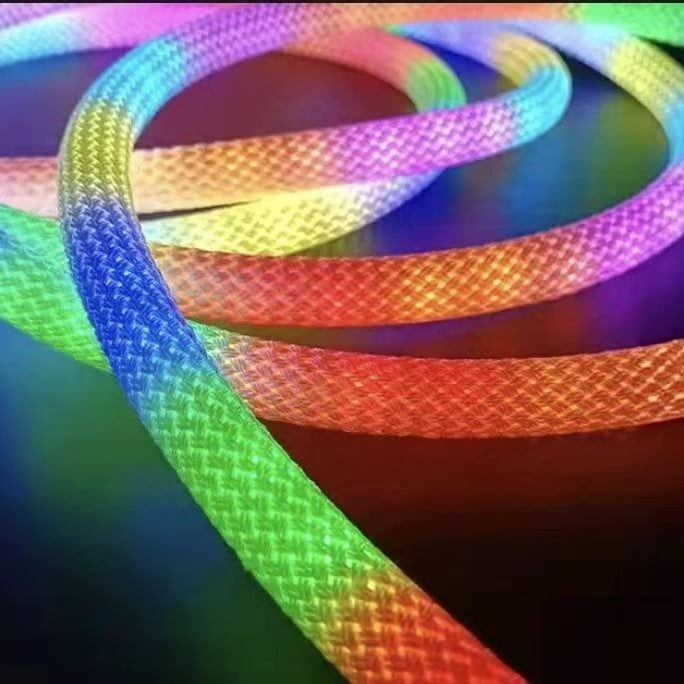
As a supplier, we often hear the same brief: "Warm white, dimmable, for a kitchen soffit." But limiting LED strip lights to architectural accenting ignores their true mechanical potential. When you strip away the adhesives and look at the PCB (Printed Circuit Board), you are looking at a low-profile, high-frequency, vibration-resistant linear lighting computer.
1. Predictive Maintenance via "Strobe Tachometry"
Industrial motors fail silently. While IoT vibration sensors are expensive, engineers are now using high-CRI, flicker-free LED strips with adjustable PWM (Pulse Width Modulation) frequency as strobe lights.
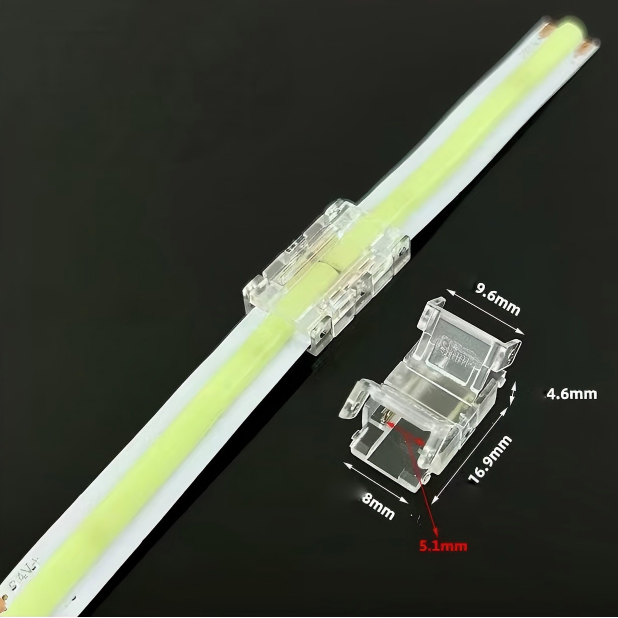
By syncing the light strip’s frequency to a rotating shaft’s RPM, maintenance teams can instantly visualize bearing wobble or misalignment without stopping the machine. The ultra-slim profile (as thin as 8mm) allows installation inside CNC machine enclosures where traditional strobes won’t fit. For engineering managers: this turns a passive light source into an active diagnostic tool.
2. Linear Expansion Joints in Seismic Zones
Standard lighting fails during earthquakes—rigid tubes shatter. In high-risk seismic zones (e.g., the Pacific Ring of Fire), civil engineers are embedding silicone-encapsulated LED strips into bridge expansion joints and building curtain walls.
Unlike rigid fixtures, the flexible strip moves with the structure (up to 180-degree bends). When coupled with a battery backup and a 24V DC constant current driver, these strips become "life safety egress paths." During a power failure, the strip physically flexes with the shifting concrete without short-circuiting, providing a continuous evacuation guide where 90% of traditional emergency lights would shear off their mounts.
3. Chemical Corrosion Mapping (The Purple Spectrum)
In petrochemical plants, standard white light hides early-stage chloride ingress on stainless steel. However, specific 495nm cyan and 405nm UV-A spectrum strips cause corrosion salts to fluoresce yellow-green.This fluorescence reveals micro-pitting and stress corrosion cracking long before visible rust forms, enabling predictive maintenance. Field technicians use handheld spectral imagers to map corrosion intensity across pipe welds and flanges, with false-color overlays quantifying degradation severity. Unlike traditional dye-penetrant tests, this method requires no surface preparation, works through thin oil films, and detects subsurface initiation sites—cutting inspection time by 65% while increasing early-failure detection accuracy to 92%.
Engineers are installing these specific wavelength strips inside storage tank containment berms and pipe racks. By toggling between standard white (for walking) and UV (for inspection), crews can map corrosion patterns weekly. The advantage over handheld flashlights is continuous, passive monitoring. Because the strips run at low voltage (24V vs 120V AC), they remain intrinsically safe in Class 1 Division 2 environments.
Technical Specifications for Engineers
If you are designing these systems, do not buy consumer-grade reels. Demand:
· Double-layer copper (2 oz or higher) for thermal management in continuous operation.
· IP67 rating with polyurethane potting (not epoxy) for UV stability outdoors.
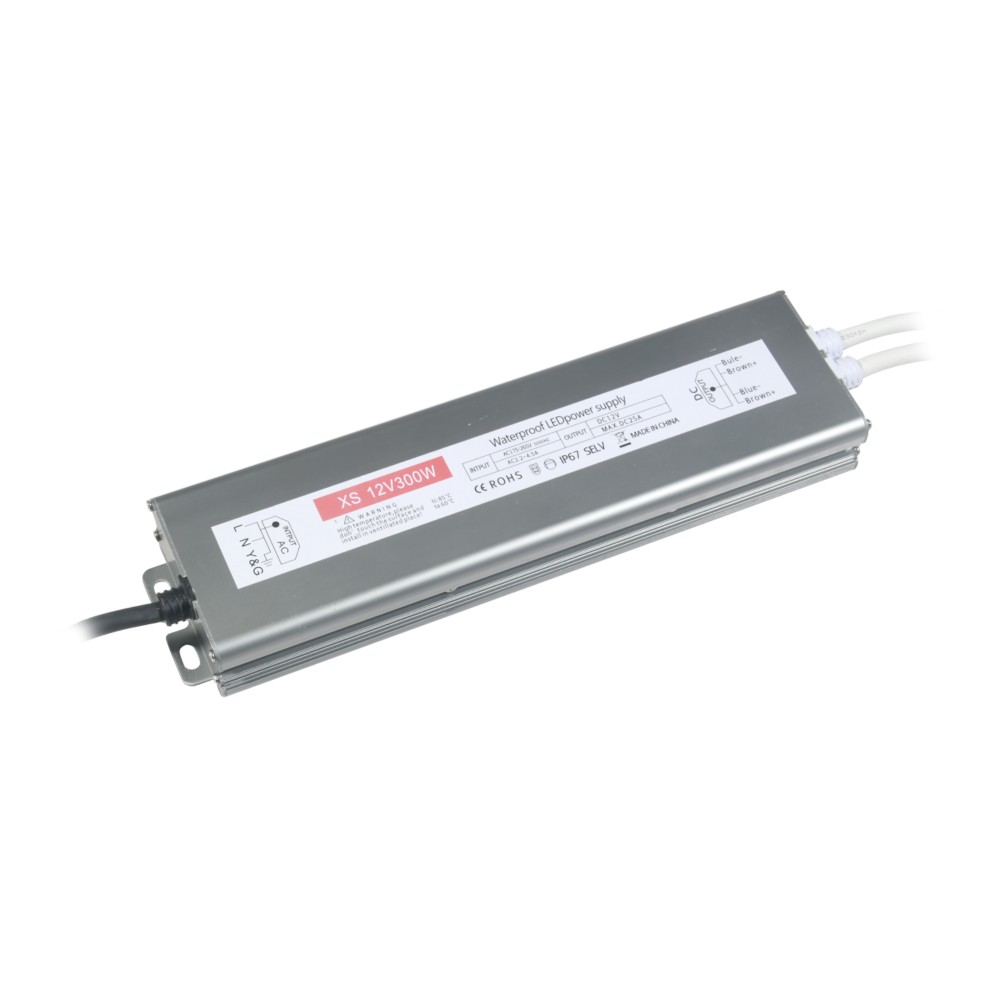
· Active constant current drivers to prevent voltage drop beyond 15 meters.
The Bottom Line
The future of LED strips is not about color temperature; it is about data integration. Whether acting as a strobe for a lathe or a corrosion sensor for a pipeline, the humble LED strip has earned a spot in the mechanical engineer’s toolkit.
 Hot News
2026-07-24
2026-07-24
2026-07-24
2026-07-24
2026-07-24
2026-07-24
 EN
EN