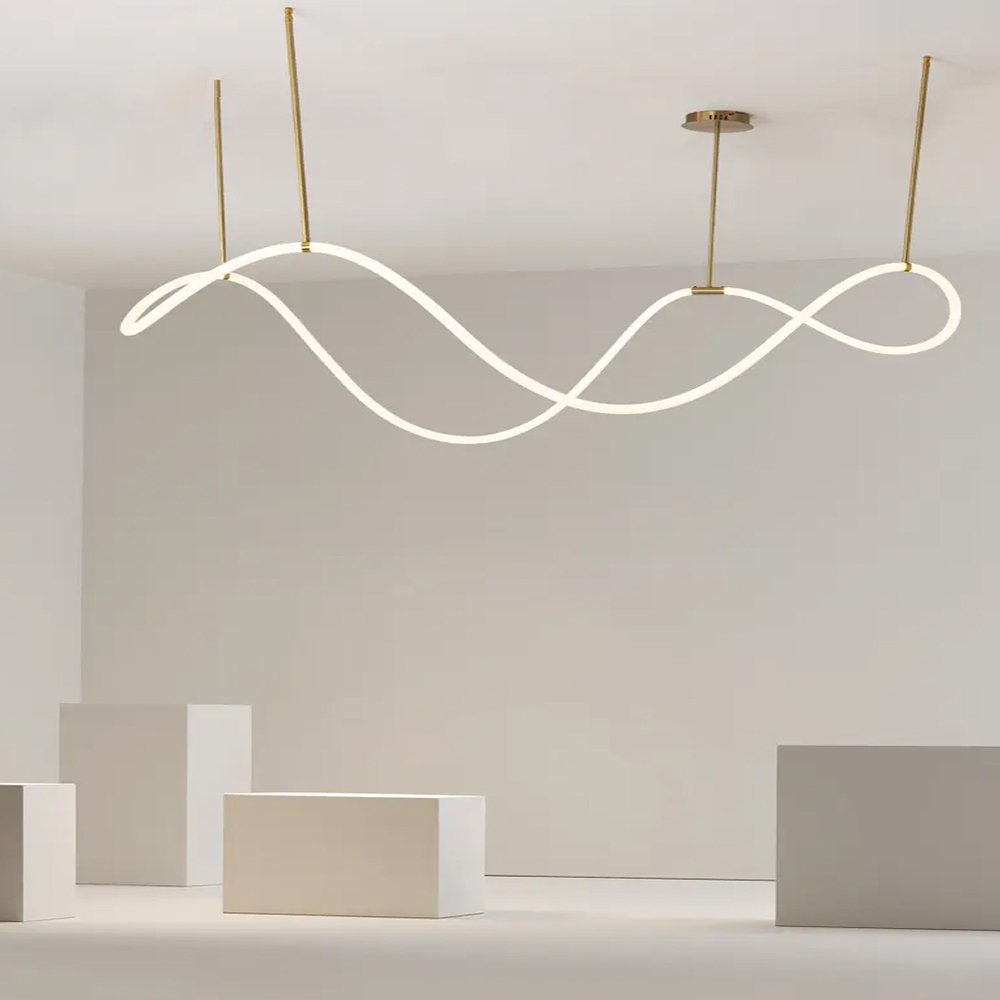
Most people still think LED strip lights are just for gaming setups and teenage bedrooms. That’s like calling the internet just a way to send emails. In 2026, flexible linear lighting has quietly evolved into one of the most versatile technology platforms we have — and the three applications below barely scratch the surface.
The most profound shift in modern lighting design isn’t about brightness, but rhythm. Human circadian biology is profoundly influenced by the spectral composition of artificial light exposure. Tunable LED strips can now deliver higher correlated color temperature (5000K-6500K) during daylight hours to mimic natural sunlight, suppressing melatonin while enhancing alertness and cognitive performance. As dusk approaches, these systems gradually transition to warmer spectra (2700K–2200K), allowing melatonin levels to rise naturally and priming the nervous system for restorative sleep.
For windowless spaces-basements, interior offices, or medical facilities — advanced strips with full-spectrum or near-infrared enhanced technology (CRI 98, eliminating harsh blue spikes) simulate natural daylight with stunning accuracy, which has been shown to improve productivity by up to 17% in such environments. We’re no longer just illuminating rooms -we’re orchestrating biological wellness.
The second overlooked paradigm is performance in hostile environments. Standard IP20 strips work fine indoors but fail almost immediately under salt spray, condensation, UV exposure, or constant vibration. Marine-grade LED strips are entirely different products: fully encapsulated with silicone extrusion or potting, built with corrosion-resistant anodized aluminum and stainless steel components, and certified with IP65 to IP68 waterproof ratings. They’re engineered specifically to prevent adhesive peeling, moisture intrusion, PCB corrosion, and accelerated light decay - offering long-term reliability on boats, offshore platforms, coastal properties, and even in underwater fountain or pool installations. This isn’t consumer-grade decoration; it’s industrial-grade infrastructure.
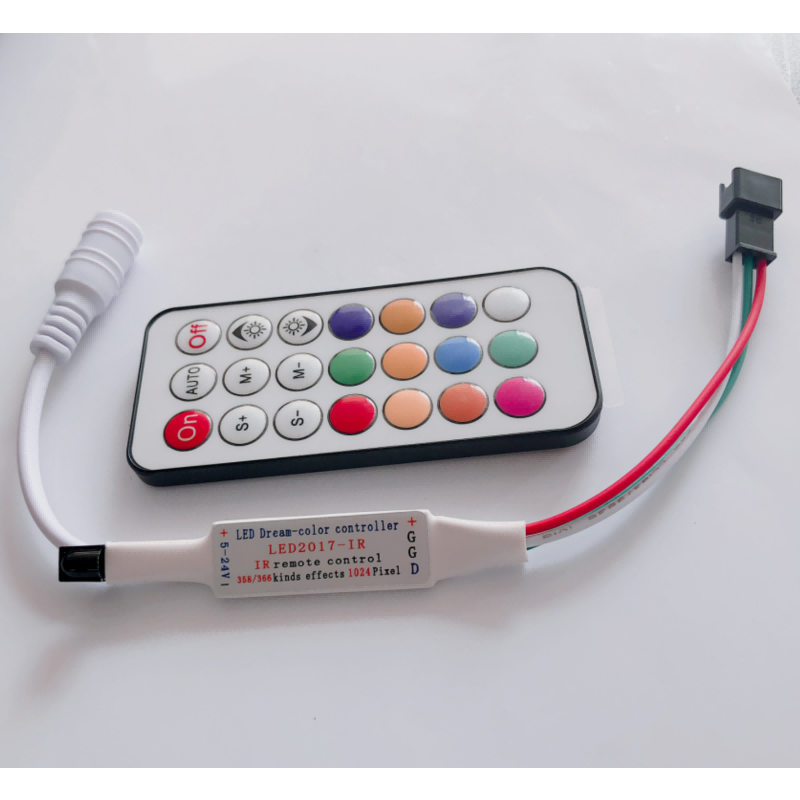
Third, we’ve entered the era of community-driven intelligence. Off-the-shelf apps and proprietary controllers are no longer the only path. Open-source platforms like WLED and HyperHDR—free, actively maintained firmware that runs on inexpensive ESP32/ESP8266 microcontrollers — allow anyone to transform ordinary LED strips into fully customizable, network-controlled smart lighting systems.
These platforms support over 1 million colors, music-reactive visualizers, and seamless integration with Apple Home, Google Home, Amazon Alexa, and SmartThings via the Matter protocol or REST APIs. The freedom is extraordinary: you can sync strips to your TV’s video output for immersive ambilight effects, link them to home automation routines, or expose endpoints for custom programming. For developers, makers, and forward-thinking integrators, this open ecosystem represents a massive leap beyond walled-garden solutions — and your clients will thank you for knowing the difference.
The LED strip has matured from a decorative accessory into a foundational technology. Whether you’re upgrading a workspace, retrofitting a yacht, or building an interactive home installation, understanding these paradigms will set your work apart.
 Hot News
2026-07-24
2026-07-24
2026-07-24
2026-07-24
2026-07-24
2026-07-24
 EN
EN