The global linear lighting market is projected to reach $28.61 billion in 2026, with a steady CAGR of 10.6%. Smart LED strip lights are growing even faster at 13.38%, set to hit $12.34 billion by 2032. But beneath these headline numbers lies a quieter transformation—LED strips are no longer just accent lighting. They are becoming precision engineering tools across four emerging domains that few suppliers are talking about.
Here is a fresh perspective on where LED strip technology is heading in professional engineering projects.
1. Biophilic & Circadian Engineering: Lighting That Works with Human Biology
The most compelling frontier is biophilic intelligence—LED strips evolving beyond illumination to become mediators between ecological regeneration and human sensory enrichment. Cutting-edge biophilic systems now achieve 0.2-second response latency, anticipating physiological needs while cutting energy use by up to 63%.
In healthcare environments, LED strips are being engineered to regulate circadian rhythms. Advanced tunable modules delivering daylight-quality light have been shown to suppress melatonin by 21.9% after waking and increase nocturnal melatonin secretion by up to 12.2%. For dementia care facilities, off-the-shelf LED strips can now generate dawn-to-dusk dynamic white light—spatially uniform, shadow-free, and biologically effective for both patients and staff.
For engineering specifiers, the implications are clear: the future of institutional lighting is biological compliance, not just lumens.
2. Smart Infrastructure & IoT Integration: The Invisible Backbone of Cities
LED strips are quietly becoming the nervous system of urban infrastructure. Networked lighting systems now integrate occupancy sensors that detect movement from pedestrians, cyclists, and vehicles, then anticipate their approach and communicate lighting demands in real time.
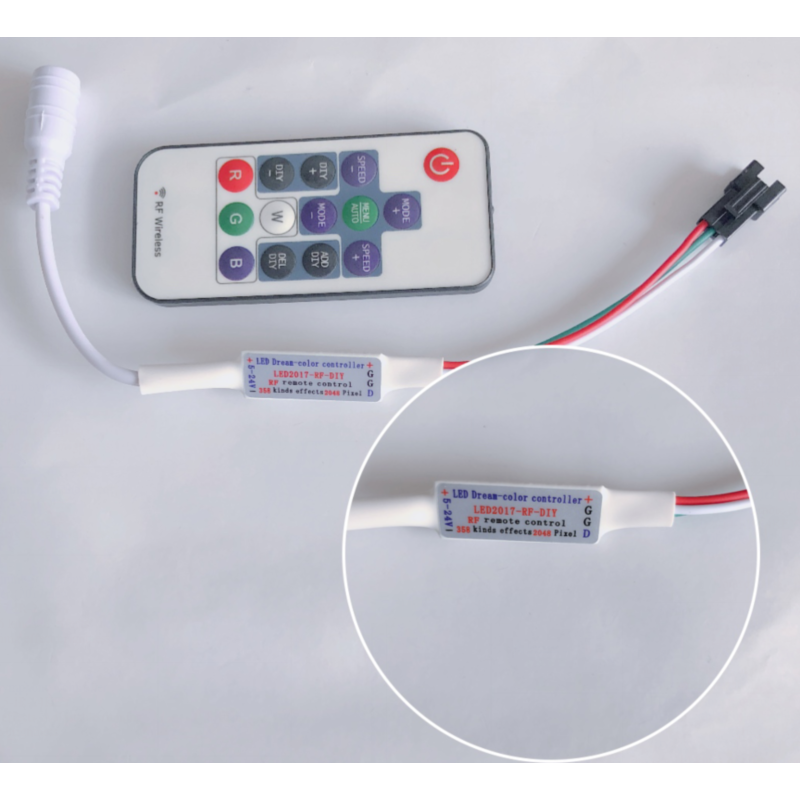
In industrial applications, this data layer is equally transformative. Smart LED strip controllers with wireless connectivity (ZigBee, NB-IoT, LTE-M) allow facility managers to monitor and manage lighting remotely, adjusting output based on natural light levels or real-time occupancy patterns.
For engineering firms, specifying IoT-ready LED strips means delivering infrastructure that is not just energy-efficient but operationally intelligent.
3. Circular Economy Engineering: Designing for Disassembly
The lighting industry faces mounting pressure over e-waste. In response, LED strip engineering is pivoting to circularity. For engineering project teams, the takeaway is strategic: modular, serviceable LED strip systems with replaceable components are no longer a nicety—they are a compliance and lifecycle-cost imperative. Suppliers who can document circular design credentials will increasingly win institutional bids.
4. Acoustic-Lighting Hybrids: Solving Two Problems with One System
One of the most ingenious engineering applications is the integration of LED strips into acoustic panels. These hybrid systems not only provide programmable linear illumination but also contribute to sound absorption, reducing “acoustic smog” in offices, hotels, and airport lounges.
LED strips are no longer an afterthought in architectural engineering—they are a platform for solving complex performance challenges. Whether you are retrofitting a manufacturing plant, designing a circadian-friendly hospital wing, or planning a smart city corridor, the technology is ready. The question is whether your specification is keeping pace.
 Hot News
2026-07-24
2026-07-24
2026-07-24
2026-07-24
2026-07-24
2026-07-24
 EN
EN