For the majority of the market, LED light strips remain a secondary tool for accent walls or mood lighting. As an experienced LED strip manufacturer, however, we are watching the lighting industry move far beyond this decorative niche. Today, the most innovative engineering projects are using programmable strips as interactive infrastructure. They are weaving photonics into the very fabric of buildings to manage space utilization, biometrics, and even environmental carbon.
Here are four high-growth verticals where B2B integrators and lighting designers are deploying LED strips as the primary material of modern architecture.
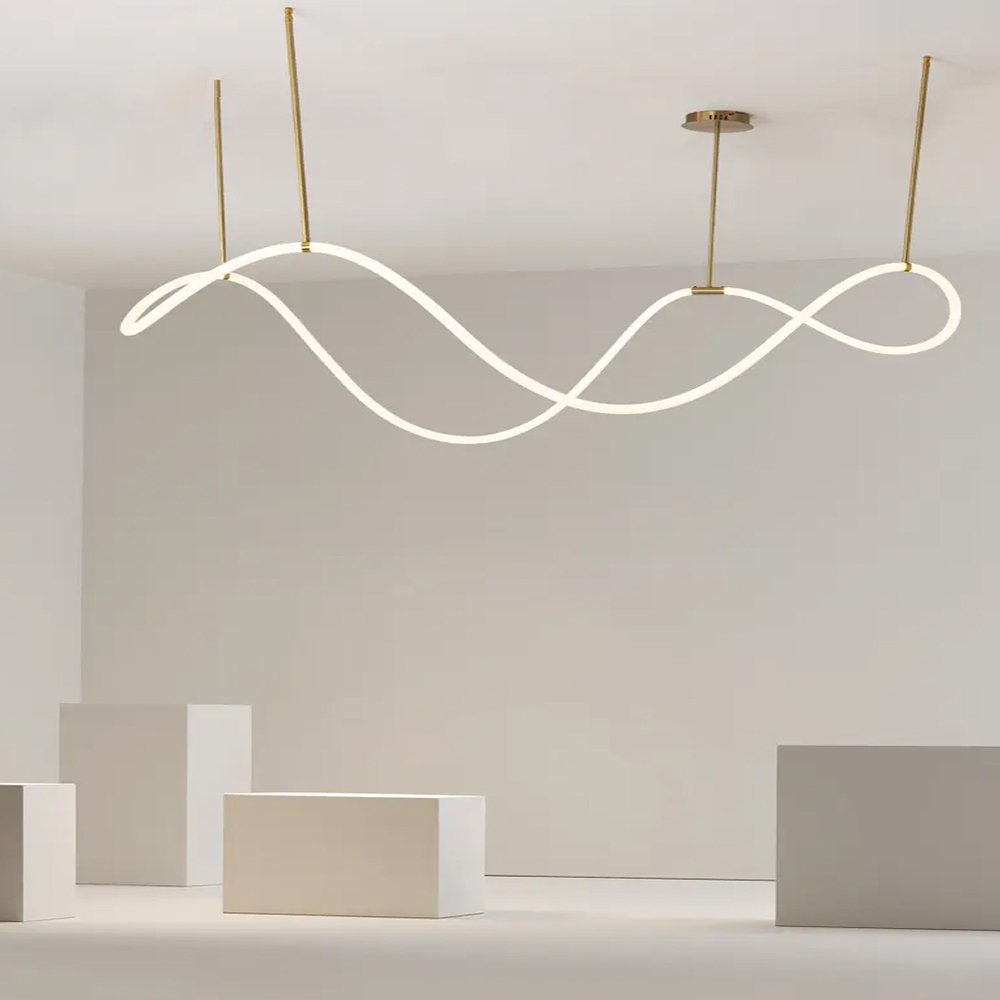
Modern mixed-use developments demand lighting that is functional at 9 AM but artistic by 9 PM. This is where flexible high-pixel LED ribbons are replacing static cove lighting. A recent installation at a major UK headquarters featured a 21.8-meter LED ribbon that curves on two structural planes simultaneously—both horizontally following the ceiling contour and vertically rising and dipping along its length. This effect cannot be achieved with rigid fixtures. Advanced flexible LED tiles maintain seamless pixel continuity across compound curves, transforming a corporate lobby into a narrative experience where lighting flows as a digital sculpture rather than a static line.
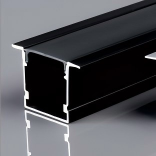
These applications require extremely narrow PCB widths (down to 2.8mm) and CNC-bent aluminum profiles to ensure the light source remains invisible to the naked eye. For retrofits and dynamic media facades, DMX512-controlled RGBW strips allow architects to switch between circadian support during work hours and high-impact visual branding for evening events. This level of flexibility turns light into a medium for brand storytelling rather than just infrastructure.
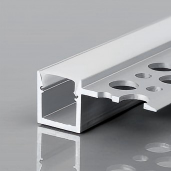
The most sophisticated installers know that the best LED strip is the one the occupant never sees. In award-winning net-zero buildings, linear lighting is being recessed into joinery grooves and handrails to provide functional navigation without breaking minimalist sightlines.
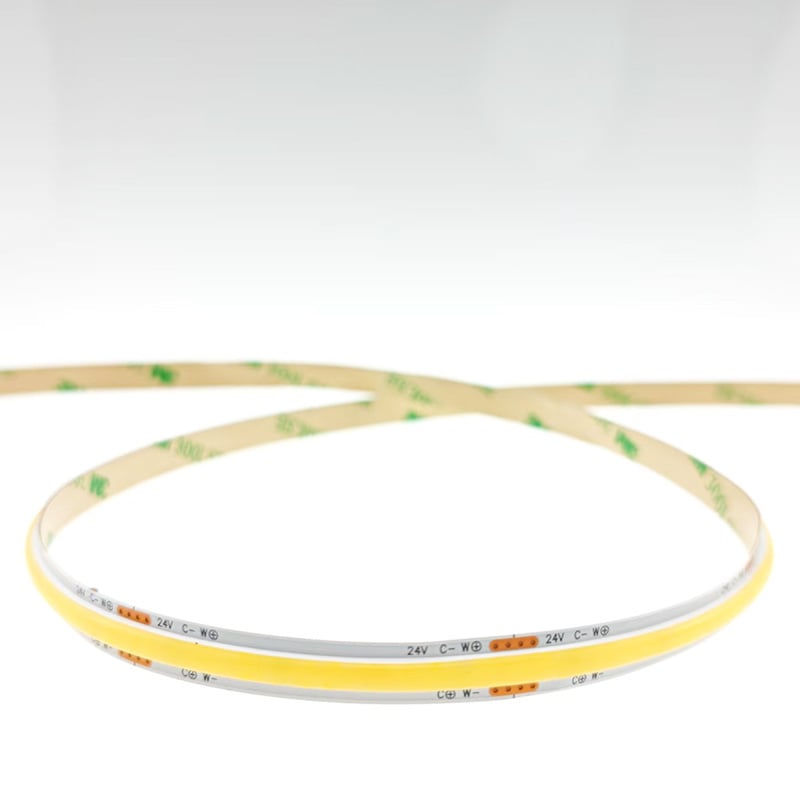
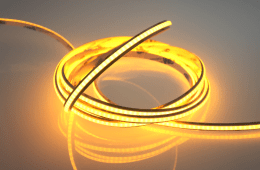
In healthcare and high-end hospitality, ultra-narrow COB strips (sub-3mm widths) are being integrated into acoustic paneling and beneath floating staircases, leveraging COB technology to ensure a continuous "dotless" beam without glare. However, the truly novel shift is the move toward biophilic and carbon-negative systems. Forward-thinking engineering now uses LED strips not just to see, but to grow. Within building facades, photobioreactors use 660nm red LED strips to cultivate microalgae. These algae consume up to 120 grams of CO₂ per square meter daily while generating fresh oxygen for circulation systems. At the same time, biological tuning technology (adjustable 2700K-5000K) in recessed ceiling strips can enhance occupant melatonin production by 18%, improving sleep cycles and workplace wellness.
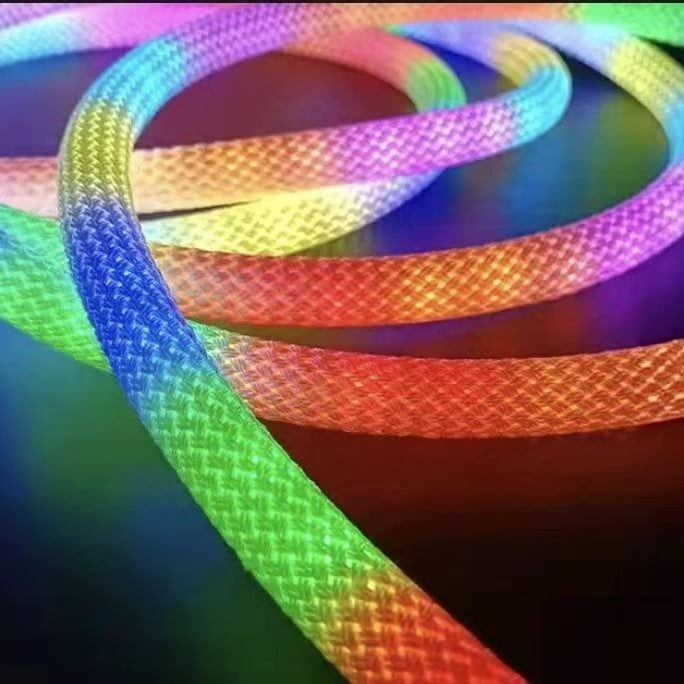
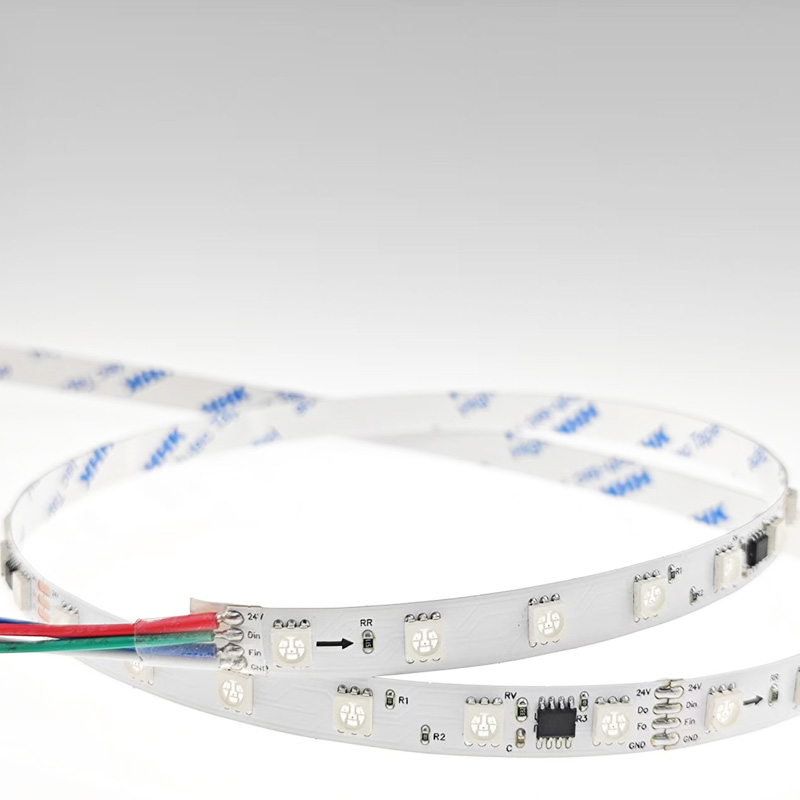
When client projects move from residential to industrial scale, the engineering requirements change entirely. Expositions and event venues are now deploying high-density RGB pixel strips as modular building blocks for kinetic facades.
At a recent urban light festival, a design team used waterproof FCOB neon strips to wrap complex 3D geometric sculptures, relying on CRI 97+ ratings to ensure color brilliance regardless of outdoor ambient conditions. The engineering challenge in this segment is not brightness, but controlability. Smart strip systems must maintain ultra-deep dimming (down to 0.1%) without flickering, a necessity for transitional scenes. For suppliers, this means providing UL-listed drivers with NFC programming capabilities, allowing engineers to pre-set addresses and scenes via mobile apps on-site without dismantling installations.
4. Precision Manufacturing Environments
Perhaps the most overlooked engineering segment for LED strips is the factory floor itself. In pharmaceutical manufacturing and high-end QC facilities, strips are moving from "prevent falls" to "prevent mistakes." Linear high-lumen industrial strips placed directly above assembly lines need to offer high-frequency compliance to prevent strobe interference with automation cameras.
For manufacturers like us, the demand here involves custom Kelvin tailoring (matching specific temperatures to detect packaging defects) and IP67 encapsulation to survive washdown cycles. A major drugstore chain retrofitting cooler doors, for example, utilized CRI 90+ strips to ensure that medications and packaging colors were viewed under true-to-life light, reducing picking errors in distribution centers. The durability specs matter more than the price point—engineers need data sheets on thermal management and voltage drop (often remedied with 4oz copper PCBs) before they will sign off on a renovation.
Conclusion: The Future is Integrated
The conversation is no longer about which LED strip has more lumens. It is about whether your lighting solution can integrate with BACnet building automation, respond to live data streams, and survive extreme chemical washdowns while maintaining 90 CRI.
As a dedicated supplier of custom COB LED strip solutions, we are moving beyond off-the-shelf selling. We provide engineering consultation for voltage drop management, custom PCB colors, and beam angle optics for these specific niches.
 Hot News
2026-07-24
2026-07-24
2026-07-24
2026-07-24
2026-07-24
2026-07-24
 EN
EN