LED strip lights have become a staple of modern lighting design. But how did we get from bulky incandescent bulbs to the flexible, energy‑efficient strips we know today? The journey spans decades of innovation and is a testament to human ingenuity.
Here's a brief history of LED strip lighting.
The Early Years: LEDs in the Lab
The first visible-spectrum LED was invented in 1962 by Nick Holonyak Jr. at General Electric. It emitted a dim red light and was used primarily as indicator lights in electronics. Over the next three decades, LEDs were limited to red, green, and yellow – bright enough for signals but far from general illumination.
The 1990s: The Blue LED Breakthrough
The LED revolution began in 1993 when Shuji Nakamura developed the first high‑brightness blue LED. This invention was groundbreaking because blue light, combined with yellow phosphor, could produce white light. The 2014 Nobel Prize in Physics recognised this achievement.
The Birth of Flexible LED Strips
Early LEDs were rigid and bulky. In the 2000s, manufacturers began mounting SMD LEDs onto flexible printed circuit boards. These early flexible strips were low‑density and often unreliable, but they proved the concept – a thin, bendable light source that could fit almost anywhere.
The 2010s: The Rise of SMD and COB
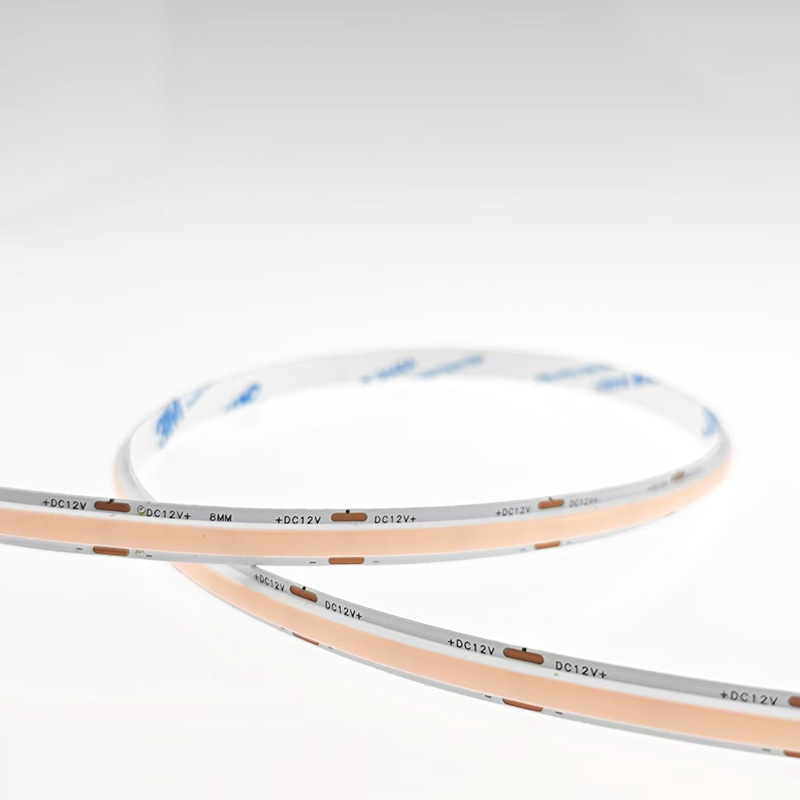
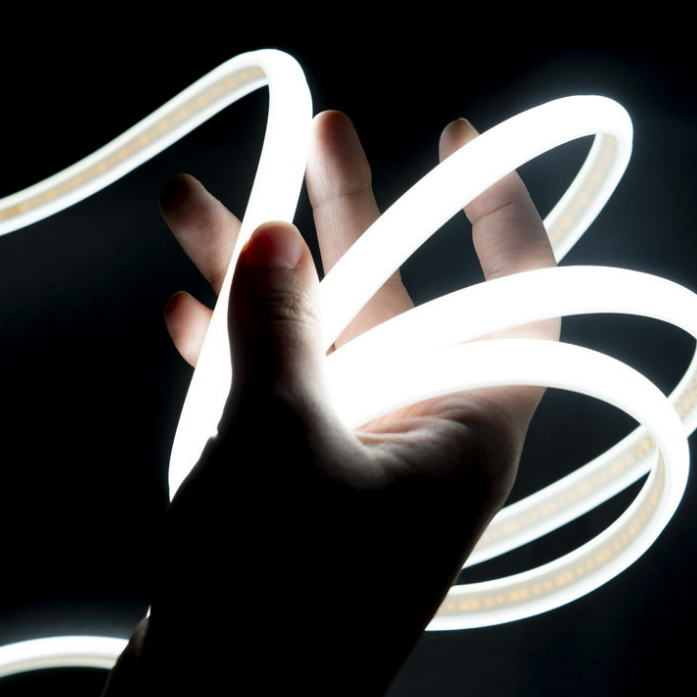
The 2010s saw a shift toward Surface‑Mounted Device (SMD) LEDs mounted directly onto flexible PCB. SMD strips became more efficient, brighter, and affordable. Then came COB, with its seamless, dot‑free illumination and high colour rendering. COB quickly became the preferred choice for architectural and residential projects.
Smart Controls and Connected Lighting
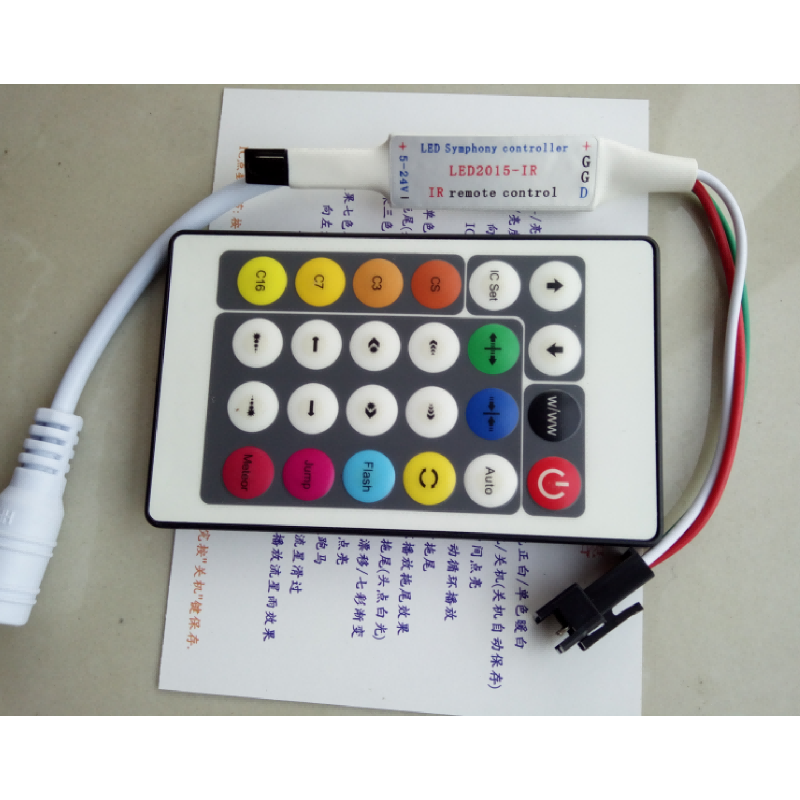
Today's LED strips are "smart." They connect to Wi‑Fi, Zigbee, or Bluetooth. They integrate with voice assistants and home automation systems. Human‑centric lighting mimics natural daylight cycles, and tunable white strips allow instant colour temperature adjustments.
The Future of LED Strips
The evolution continues. We're seeing thinner, more flexible designs, higher CRI options, flexible substrates, and organic LEDs. The focus is on sustainability, recyclable materials, and predictive controls.
Final Thoughts
From a lab curiosity to a design essential, LED strip technology has come a long way. Each generation brings greater efficiency, colour quality, and creative possibilities. Next time you install a strip, appreciate the decades of innovation that made it possible.
We're proud to be part of this ongoing story. Browse our collection of cutting‑edge LED strips and experience the future of light – today.
 Hot News
2026-07-24
2026-07-24
2026-07-24
2026-07-24
2026-07-24
2026-07-24
 EN
EN