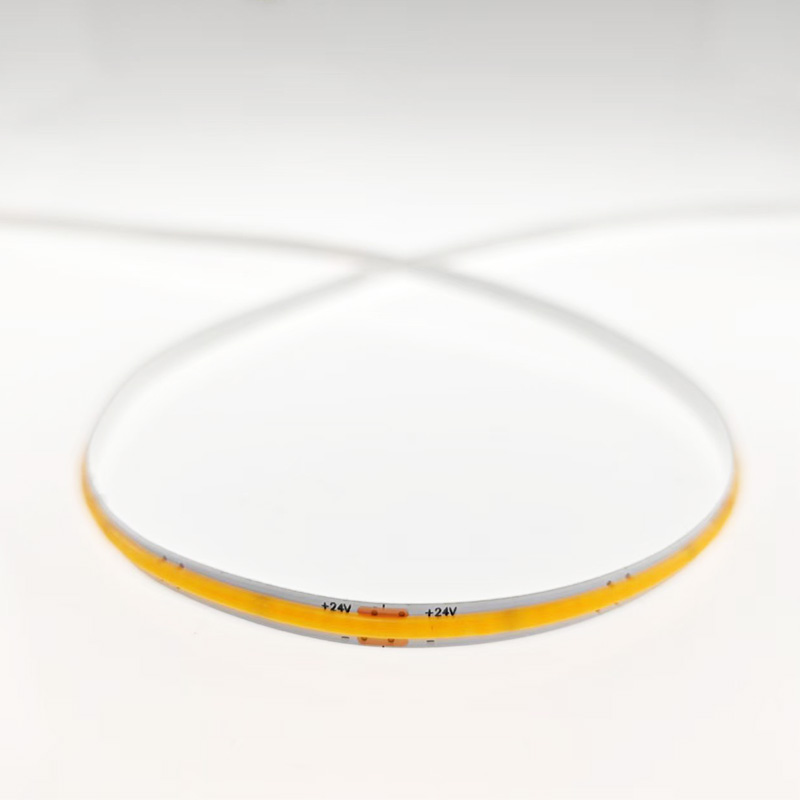
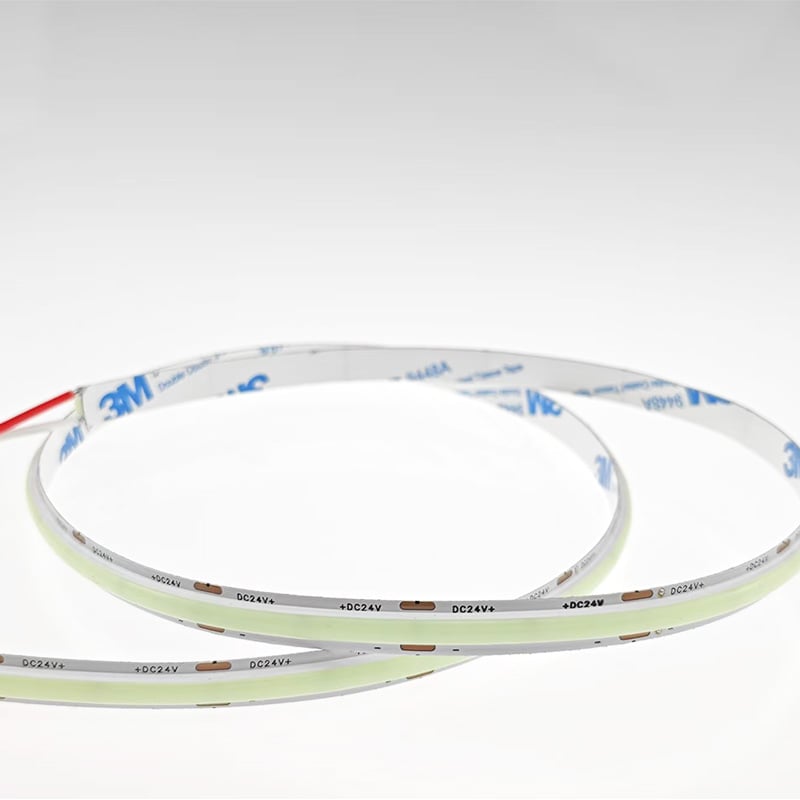
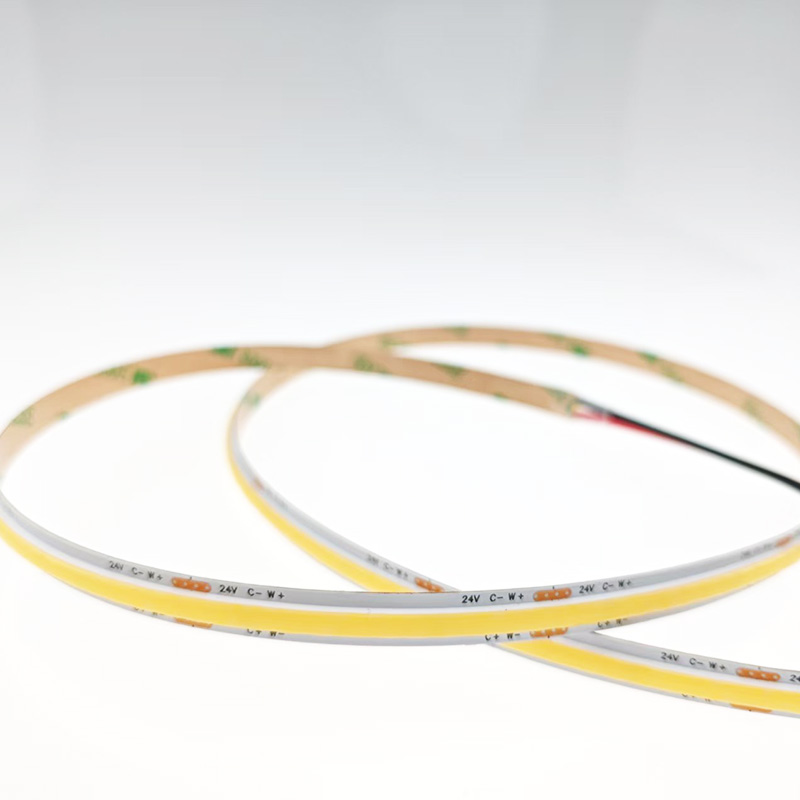
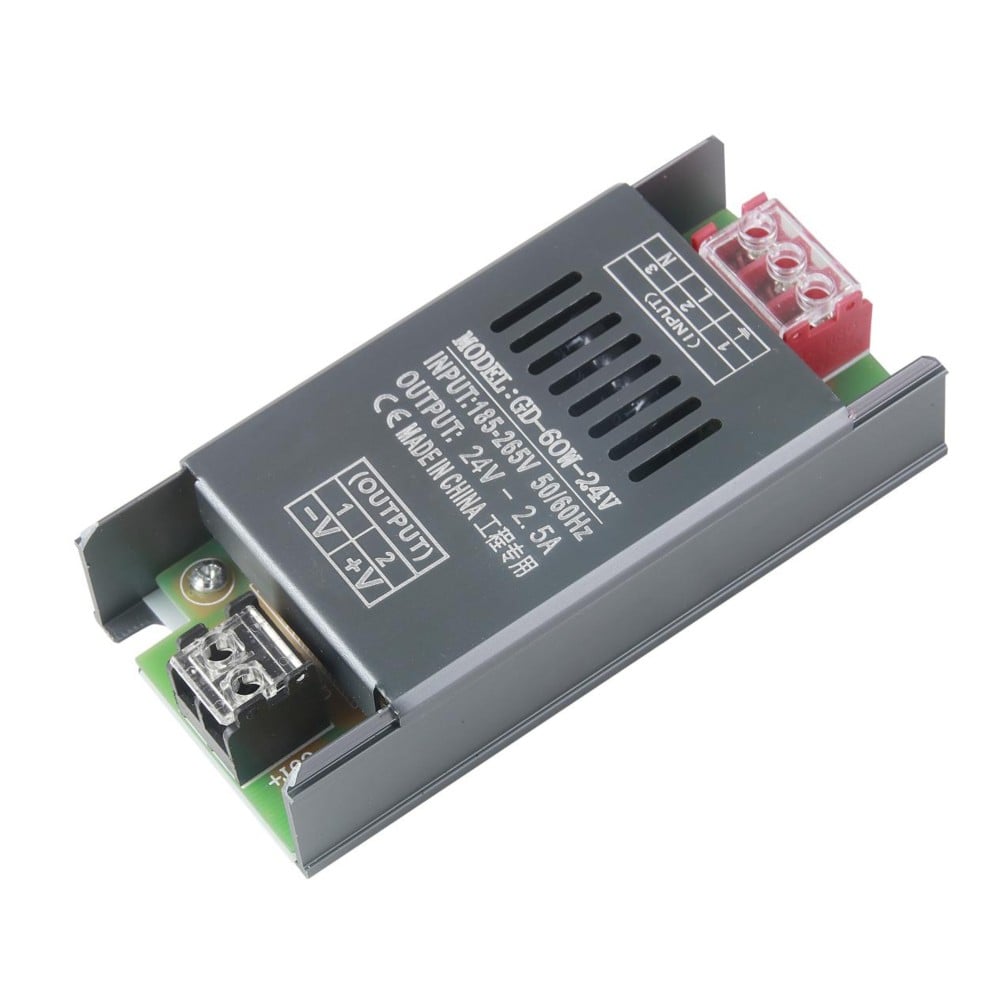
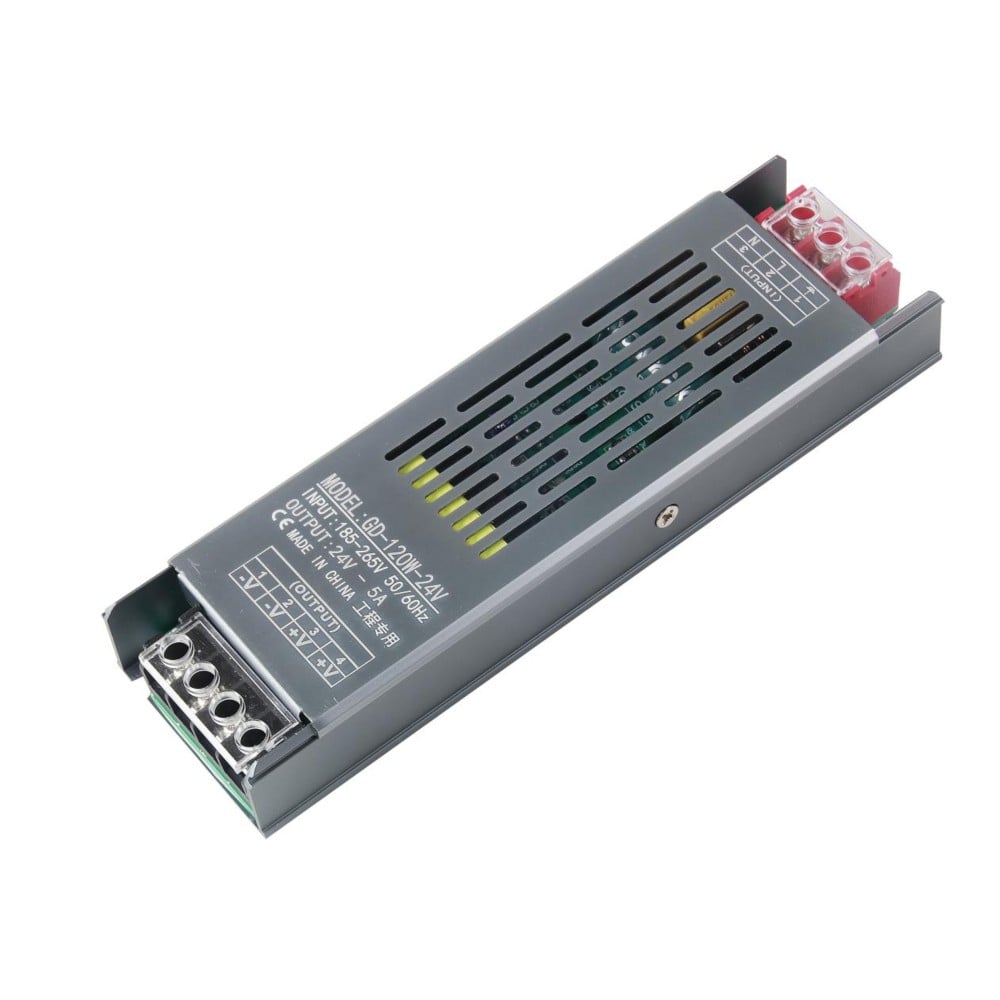
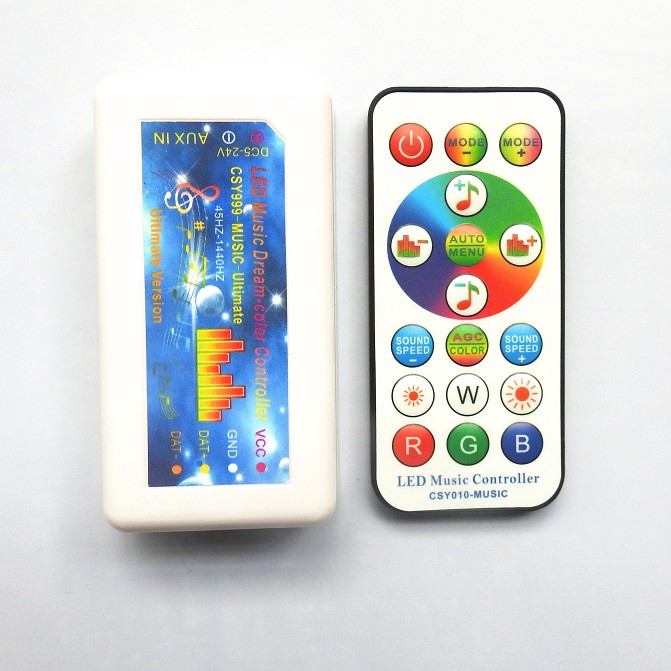
For years, biophilic design has focused on indoor plants, natural materials, and daylight harvesting. But what happens after sunset? What about windowless meeting rooms? This is where dynamic LED strip lighting becomes the missing link. While static white or RGB strips serve basic illumination, today’s tunable white and color-gradient LED strips can mimic the subtle shifts of natural light—cloud movement, tree-canopy dappling, even the amber glow of a setting sun.
The Science: Why Dynamic Light Changes How We Work
Human circadian rhythms evolved with dawn-to-dusk light transitions. Conventional office lighting ignores this, delivering the same cool 4000K from 9 AM to 5 PM. Studies show that circadian-smart lighting can reduce afternoon fatigue by up to 40% and improve cognitive performance by 15–20%. Biophilic LED strip installations go further: by embedding addressable strips into ceiling coves, under desk modesty panels, or behind perforated wood slats, designers create living light scenes that gently shift correlated color temperature (CCT) from 3000K in the morning to 5000K at midday and back to 2700K in the late afternoon.
Three High-Impact Applications for 2026
1. Living Wall Backlighting
Traditional plant walls look flat under downlights. Placing IP65-rated tunable white strips vertically along the wall’s edges—or weaving them through the greenery—adds depth and drama. When strips slowly ramp intensity, they simulate sunlight moving through foliage.
2. Dynamic Ceiling Coves for Meeting Rooms
Conference rooms without windows feel oppressive. A perimeter cove of RGBCCT (Red-Green-Blue + Tunable White) strips can reproduce a virtual sky: soft cyan at noon, warm peach during sunset scenes. During brainstorming sessions, a gentle color-breathing effect (2–3 BPM) has been shown to lower cortisol levels, according to a 2025 study from the Lighting Research Center.
3. Under-Glass Floor Paths
For open-plan offices, narrow LED strips embedded under frosted glass floor tiles create gentle wayfinding that changes color based on occupancy or time of day—blue for focus zones, green for collaboration areas. This reduces visual clutter from overhead signage while reinforcing biophilic connections through natural-toned hues.
Technical Requirements
To succeed in this niche, product specifications must include:
· Tunable white (CCT 2200K–6500K) with high CRI ≥90
· Individual addressability (per-LED or per-segment) for smooth gradients
· 0-10V or DALI-2 dimming compatibility–mandatory for WELL v2 certification
· Diffused lens profiles (silicone or polycarbonate) to eliminate dot artifacts
Offering pre-configured biophilic kits (controller + 5m strip + diffuser + mounting clips) simplifies adoption for smaller design firms.
The Business Opportunity
The global biophilic lighting market is projected to grow at 19.2% CAGR through 2030, driven by post-pandemic workplace wellness mandates. LED strips already account for 35% of this segment because of their flexibility and low installation cost.
Conclusion
Green walls alone are not enough. The next frontier of biophilic design is dynamic, tunable light woven into architecture. LED strips, with their slender profile and pixel-level control, are the ideal medium. For suppliers, the message is simple: stop selling “LED tape” – start selling circadian wellness in a reel.
 Hot News
2026-07-24
2026-07-24
2026-07-24
2026-07-24
2026-07-24
2026-07-24
 EN
EN