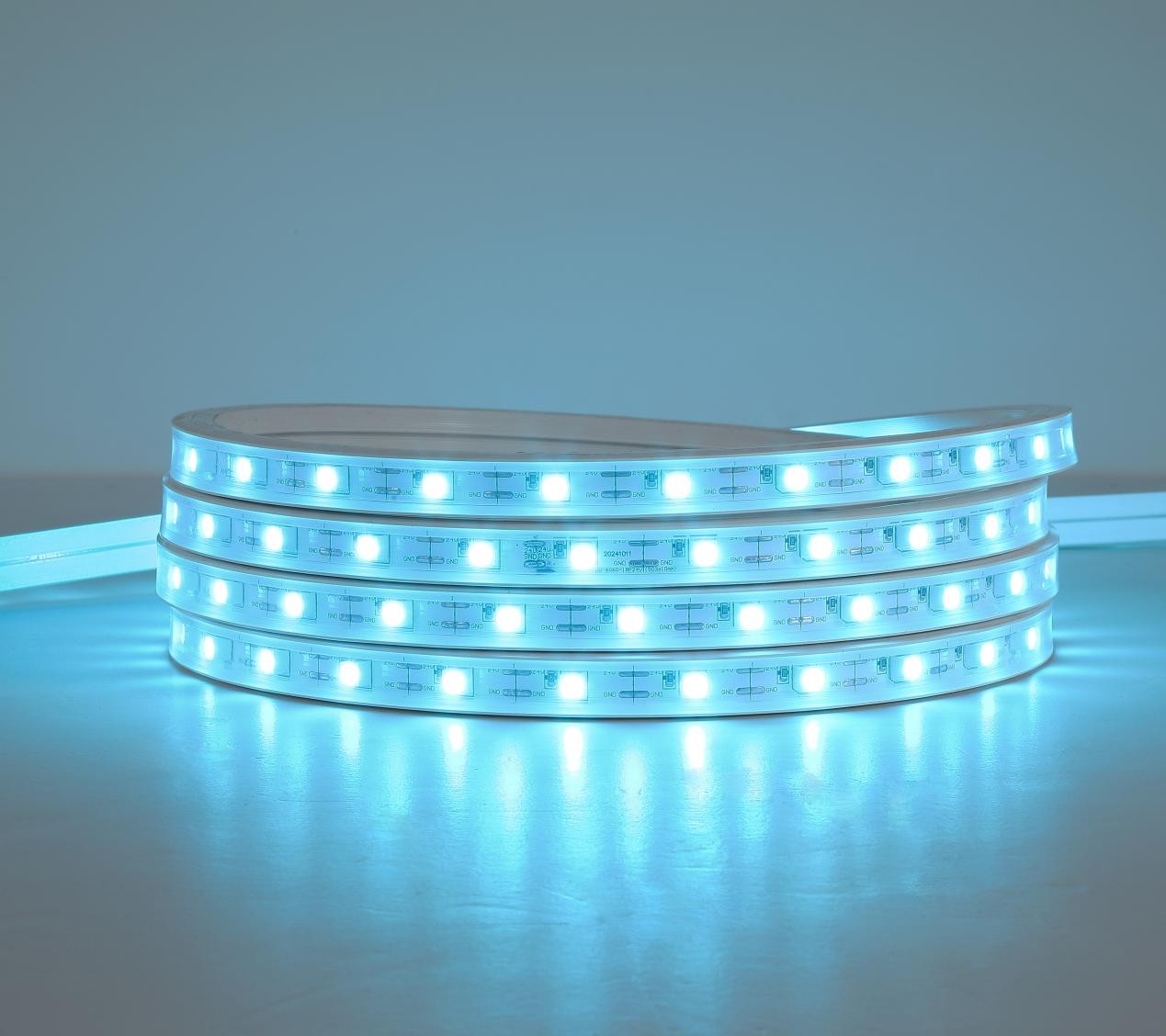
If you only see LED strip lights as accent lighting for a bedroom or kitchen cabinet, you are missing a massive trend. As we move further into 2026, the global lighting market is shifting toward functional wellness. For B2B buyers—ranging from pet accessory distributors to agricultural facility managers—the conversation is no longer just about cost per meter. It is about biological impact. Today, we explore two high-growth applications proving that lighting suppliers have an opportunity to compete on health and welfare standards, not just lumens.
Flicker-Free Innovation in Pet Care
The most overlooked buyer in the LED lighting market is the one with four legs. A landmark study published in Applied Animal Behaviour Science found that dogs exposed to fluorescent lighting exhibited significantly more anxious behaviors, including increased barking (OR 4.68) and cage-front standing, compared to dogs housed under flicker-free LED lighting, where the animals showed relaxed resting behavior and higher welfare indicators. This distinction matters because animals like dogs , cats, and birds have visual systems far more sensitive to light modulation than humans.
Consequently, modern pet shelters and boarding facilities are transitioning to dimmable, zero-flicker LED strip systems to reduce stress and lower cortisol levels in animals. The Manhattan Pet Adoption Center (NYC) has utilized recessed, low-glare LED fixtures to calm animals without harsh contrast, integrating dynamic dimming protocols that shift from bright and sociable to dim and restful throughout the day to support natural rest cycles. For distributors, this opens a new channel: supply dynamic lighting solutions to veterinary clinics, dog kennels, catteries, and even commercial aviaries, where low-glare and adjustable spectrum lighting reduces animal distress.
From Animal Care to Human Wellness
What works for animals is equally impactful for humans. While the B2C market talks about smart bulbs changing colors, the B2B market is demanding scientifically grounded circadian lighting. Tunable LED strip lights mimic the natural solar cycle—shifting to cool, high- Kelvin (5000K-6500K) illumination during daylight hours to boost alertness and cognitive processing, and transitioning to warm, amber tones in the evening to stimulate melatonin production and enhance sleep quality. This is a non-pharmacological tool to combat modern lifestyle disruptions. Moreover, high-CRI (Color Rendering Index) LED strips are being specified in offices and healthcare facilities because they reduce the "strobe effect" and visual fatigue caused by conventional flickering light, creating spaces that are easier on the eyes for long-term viewing.
Conclusion
The LED strip has evolved from a decorative commodity into a sophisticated wellness device. For suppliers, the competitive edge now lies in showcasing technical features: a high CRI rating for visual comfort, a flicker-free driver for animal welfare, and tunable spectrum capabilities for circadian regulation. As adoption spaces and living environments prioritize health, supplying LEDs that care for both the retina and the rhythm is the key to capturing higher-value contracts in 2026.
 Hot News
2026-07-24
2026-07-24
2026-07-24
2026-07-24
2026-07-24
2026-07-24
 EN
EN