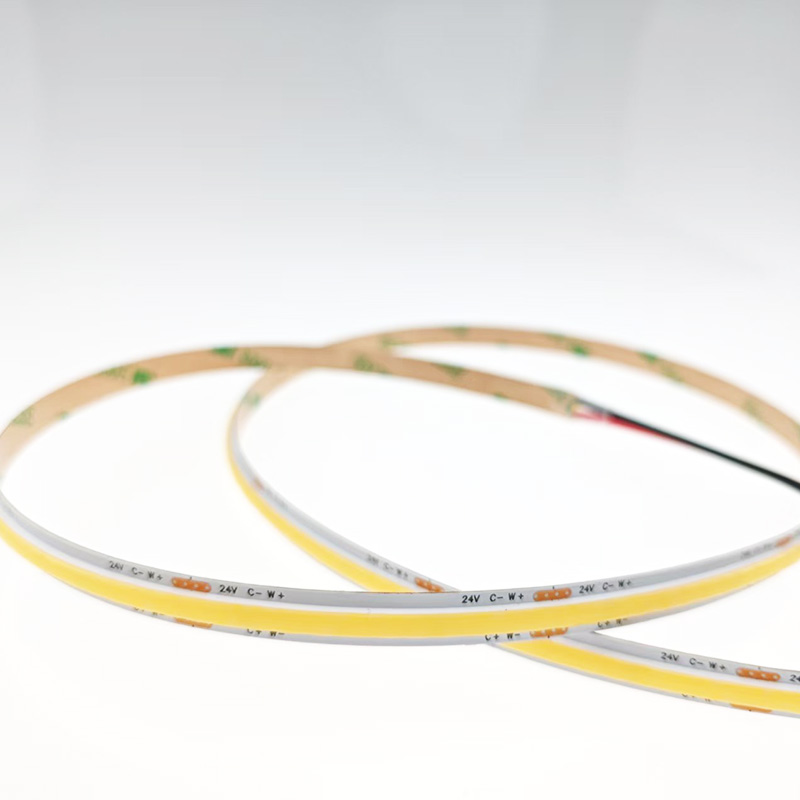
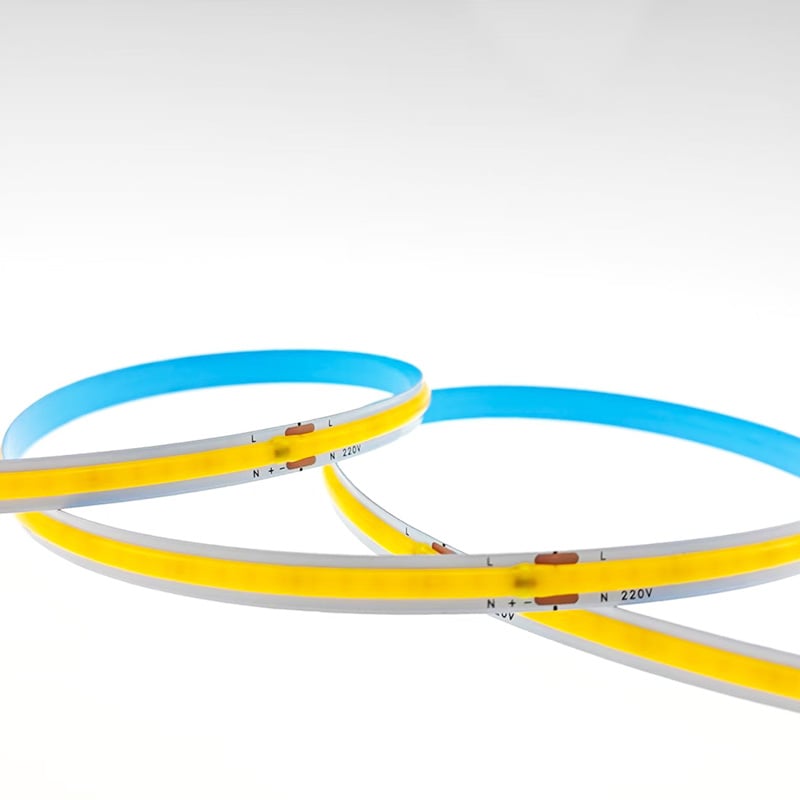
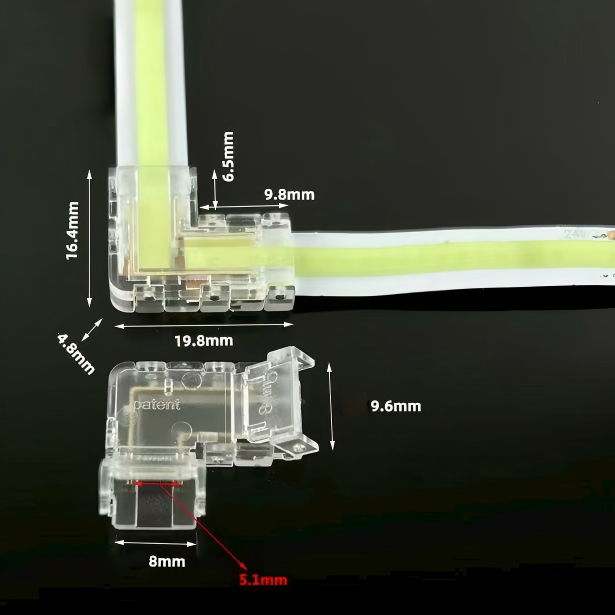
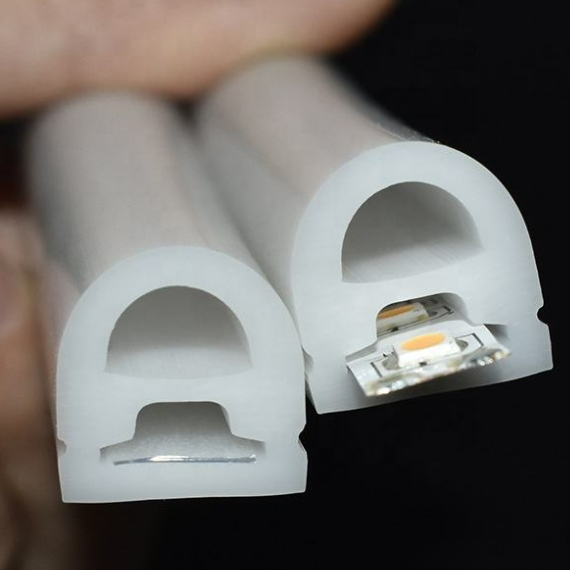
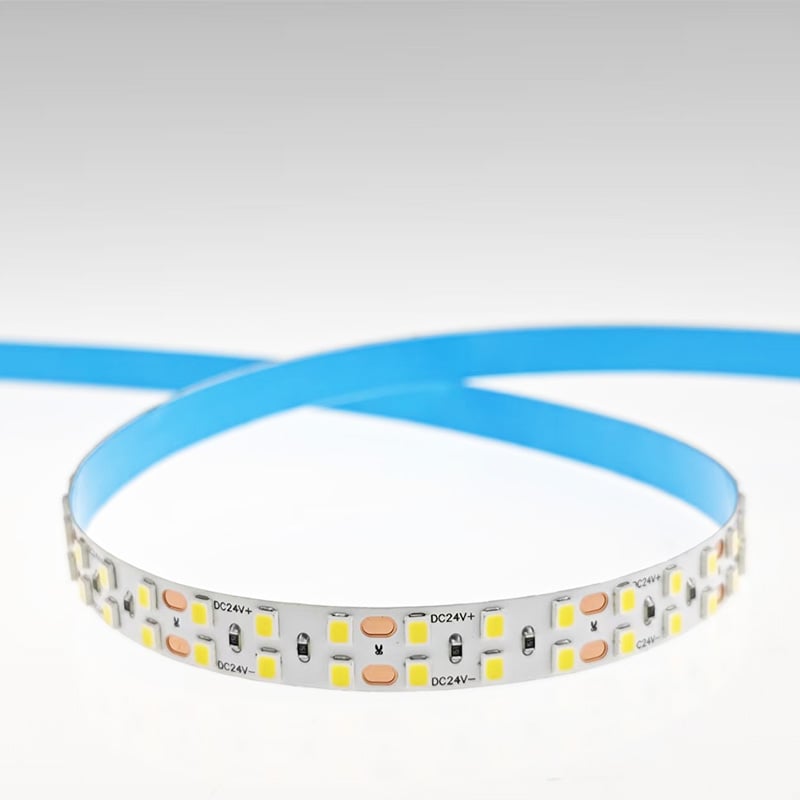
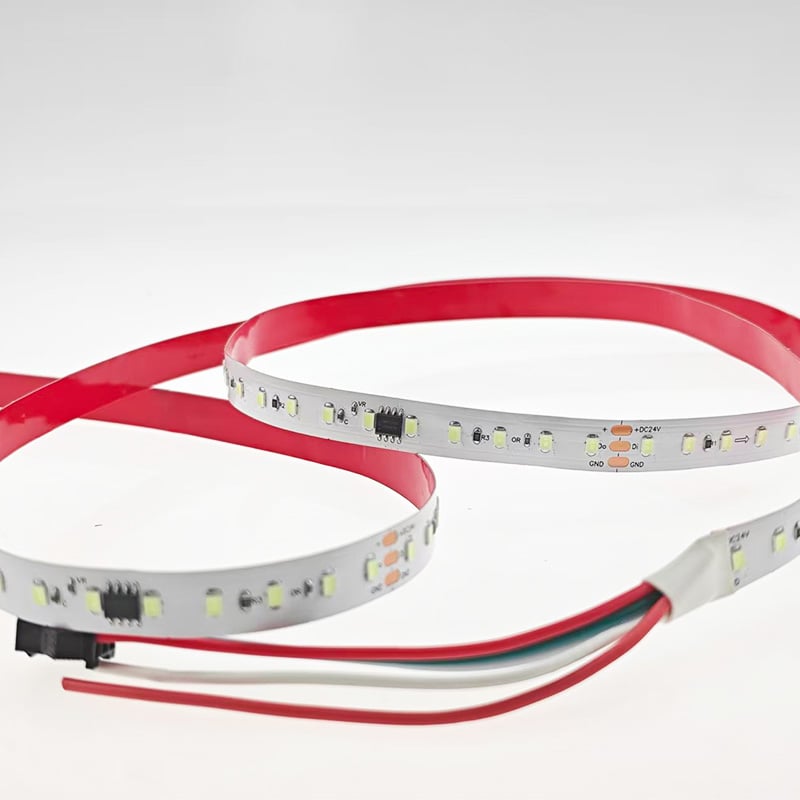
Most people think of LED strip lights as mood lighting for bedrooms or backlighting for TVs. But as a supplier, we’ve discovered a game-changing application that’s rarely discussed: using smart LED strips to boost athletic performance and motivation in home gyms. With the rise of garage workouts and Peloton-style training, dynamic lighting is becoming the secret weapon for fitness enthusiasts. In this post, we’ll explore three data-driven ways LED strips can transform any home gym into a high-performance environment.
Research shows that blue-enriched light suppresses melatonin and increases alertness, while warm amber light promotes relaxation. By installing tunable white LED strips (2700K–6500K) on your gym ceiling or wall baseboards, you can:
· Schedule bright, cool light (5000K+) for morning sessions to spike cortisol naturally.
· Switch to warm, dim light (2700K) during evening stretching or foam rolling to signal your body to produce melatonin.
This “lighting workout split” helps regulate circadian rhythms, leading to deeper sleep and faster muscle repair.
Home gyms often lack space for complex setups, but LED strips can create virtual training zones. Use addressable RGBIC strips (e.g., WS2812B) to:
· Mark a red zone for plyometric jumps – the color intensifies as you approach the strip.
· Design a blue recovery zone where strips pulse slowly during rests between sets.
· Program a green start/finish line for shuttle runs or battle rope intervals.
Sync the strips with a cheap Arduino or smartphone app (via Bluetooth controllers) to change colors based on rep counts or timers. This visual feedback increases adherence to interval timing by up to 40%, according to small-scale studies.
Imagine doing push-ups and seeing a wave of light follow your chest’s descent. With pressure-sensitive floor mats or wearable accelerometers, you can connect LED strips to react in real time:
· Speed-focused drills: Faster movement triggers quicker color cycling (red → blue → green).
· Strength sets: Each rep adds a new “pixel” to a progress bar made of strip lights.
· Yoga or mobility: Slow, meditative color fades (from purple to pink) guide breathing tempo.
This gamification turns mundane reps into an immersive experience, reducing perceived exertion and making 30-minute workouts feel like 15.
Poor form causes 60% of home gym injuries. Install ultra-bright white LED strips (90+ CRI) along the edges of mirrors, squat racks, or lifting platforms. Then add a contrasting color (e.g., neon orange) at ankle or shoulder height. The visual cue helps you:
· Maintain a neutral spine (keep your shoulder marker aligned with the orange strip).
· Avoid knee valgus (don’t let your knees cross the red side strips).
· Track depth in squats (break the laser-triggered green plane).
No expensive sensors needed – just strategic strip placement.
Installation Tips for Gym Use
· Waterproofing: Use IP65 or higher strips near hydration stations or sweat zones.
· Mounting: Aluminum channels with diffusers prevent harsh shadows and protect against impact.
· Power: Calculate total wattage (each 5m of 60 LEDs/m draws ~72W) and use a 20% over-capacity driver.
Conclusion
Home gym owners are starved for engagement beyond mirrors and mats. By integrating LED strip lights as an active training tool – not just passive décor – you unlock performance, safety, and motivation advantages.
 Hot News
2026-07-24
2026-07-24
2026-07-24
2026-07-24
2026-07-24
2026-07-24
 EN
EN