You've chosen your LED strip, calculated the wattage, and planned the installation. But when it comes to the driver, you face a choice: constant current or constant voltage? Many buyers don't realise there's a difference—but choosing the wrong type can damage your LEDs or cause poor performance. Here's what you need to know.
What's the Difference?
Constant Voltage (CV) drivers deliver a fixed voltage (typically 12V or 24V DC) while allowing the current to vary. The LED strip determines how much current it draws.
Constant Current (CC) drivers deliver a fixed current while allowing voltage to vary. The driver adjusts voltage to maintain the preset current.
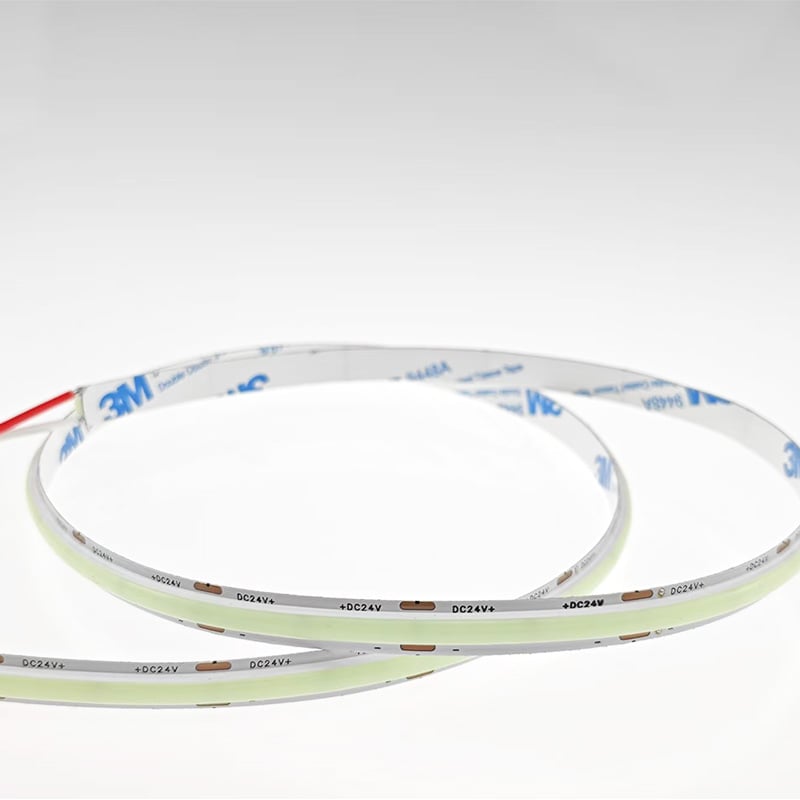
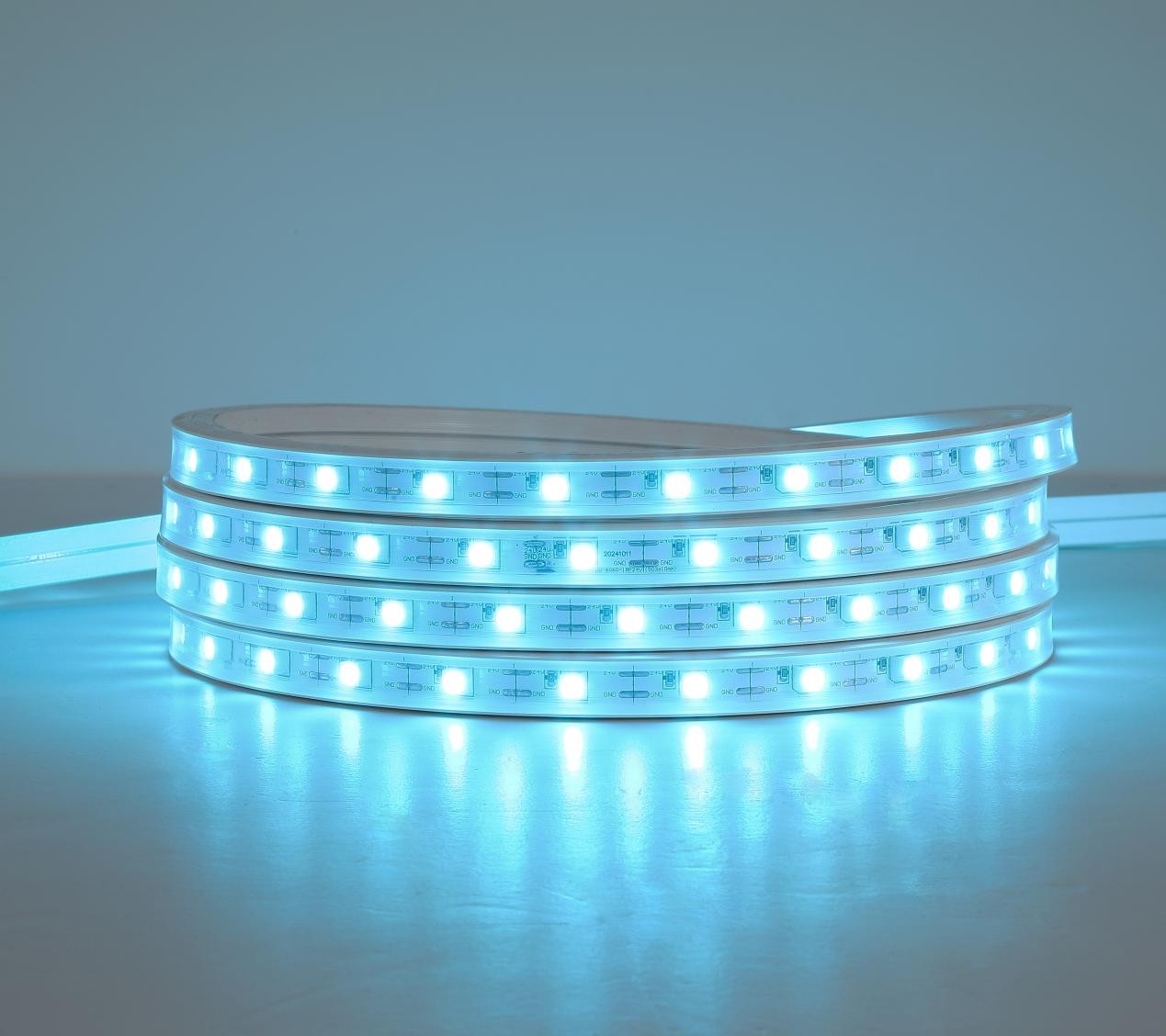
Most flexible LED strips use constant voltage drivers—this is the industry standard. Constant current is more common in high-power fixtures or COB modules designed for specific current ratings.
Constant Voltage (CV) – The Standard Choice
How it works: The driver supplies a stable 12V or 24V. The strip's internal resistors limit current to safe levels.
Pros:
· Simple and widely available
· Easy to connect multiple strips in parallel
· Cuttable—you can shorten strips without affecting the driver
· Compatible with most dimmers and controllers
Cons:
· Voltage drop on long runs
· Less efficient than CC for high-power applications
· Requires resistors in the strip, which generate heat
Best for: Flexible LED strips, under-cabinet lighting, cove lighting, signage, and most residential applications.
Constant Current (CC) – For Specialised Applications
How it works: The driver regulates current (e.g., 350mA, 700mA, or 1050mA) to ensure consistent light output regardless of voltage fluctuations.
Pros:
· Superior efficiency—no resistors wasting power
· Consistent brightness across long runs
· Higher power capability
· Longer lifespan due to better thermal management
Cons:
· Less flexible—must match driver current to strip requirements
· Cannot be cut or shortened without redesigning the circuit
· More expensive
· Requires more complex design
Best for: High-power COB modules, commercial fixtures, horticultural lighting, street lighting, and applications requiring precise current control.
How to Choose
Start with your strip's specification. Most flexible LED strips specify "12V DC" or "24V DC"—this means constant voltage.
For standard flexible strips:
Voltage Driver Type Cuttable? Best For
12V or 24V CV Constant voltage Yes Most flexible LED strips
Specific current (e.g., 700mA) Constant current No High-power COB modules
If your strip specification lists a current (e.g., "700mA") rather than a voltage, you need a constant current driver.
Common Mistakes
Mistake Consequence
Using a constant current driver on a CV strip Overcurrent damages LEDs
Using a CV driver on a CC module Underpowered or unstable operation
Mixing different current strips on one CC driver Uneven brightness
Overloading a CV driver with too many strips Driver shuts down or fails
Safety and Compliance
Always choose drivers with appropriate certifications:
· CE – European safety
· UL/ETL – North American safety
· RoHS – Environmental compliance
· Class 2 – Limited power output for safety
Final Thoughts
For 95% of flexible LED strip installations, a constant voltage driver is the correct choice. Unless you're working with specialised high-power modules, stick to 12V or 24V constant voltage drivers—they're simpler, more versatile, and widely available.
When in doubt, check your strip's specifications. If it says "12V DC" or "24V DC," choose constant voltage.
We offer a full range of certified constant voltage drivers, matched to our LED strips for perfect compatibility. Need help selecting the right driver? Contact our team with your project details—we'll recommend the ideal solution.
 Hot News
2026-07-24
2026-07-24
2026-07-24
2026-07-24
2026-07-24
2026-07-24
 EN
EN