When comparing LED drivers, you'll often see a specification called Power Factor (PF) . Many buyers ignore it – but this number can affect your energy costs, electrical safety, and even project compliance. Here's what you need to know.
What Is Power Factor?
Power factor is a measure of how efficiently electrical power is converted into useful output. It's expressed as a number between 0 and 1 – the closer to 1.0, the better.
· PF = 1.0 – Perfect efficiency (theoretical ideal)
· PF = 0.9 – Good, commonly achieved by quality drivers
· PF = 0.5 – Poor, typical of cheap drivers
In simple terms: a driver with PF 0.9 uses electricity more efficiently than one with PF 0.5. The "wasted" power isn't lost as heat – it's reactive power that doesn't perform useful work but still puts load on the electrical grid.
Why Power Factor Matters
1. Energy efficiency
A low PF means you're paying for electricity that isn't fully used. For a single strip, the difference is pennies. For commercial installations with hundreds of strips, it adds up significantly.
2. Electrical capacity
Low PF increases current draw for the same wattage. This can trip circuit breakers or require larger wiring – adding cost and complexity.
3. Compliance
Many countries have regulations requiring PF correction for commercial lighting installations:
· Europe – EN 61000-3-2 (harmonics) effectively requires PF correction
· North America – Energy Star and utility rebate programmes often mandate PF 0.9
· Commercial buildings – LEED and BREEAM credit systems favour high PF
4. Generator compatibility
If your project uses generators or UPS systems, high PF is critical. Low PF puts additional strain on these systems and can cause instability.
PF Requirements by Application
Single residential strip ≥ 0.5 (acceptable) Minimal energy impact
Multi-room residential ≥ 0.9 Better efficiency, lower bills
Commercial / retail ≥ 0.9 Compliance, energy savings
Hospitality / hotels ≥ 0.9 Grid load, certification
Industrial / warehouses ≥ 0.95 High power, capacity, regulation
Off-grid / solar ≥ 0.9 Maximise limited power
How to Check PF on a Driver
Look for these indicators:
· Specification sheet – The PF value is usually listed under "Electrical Characteristics"
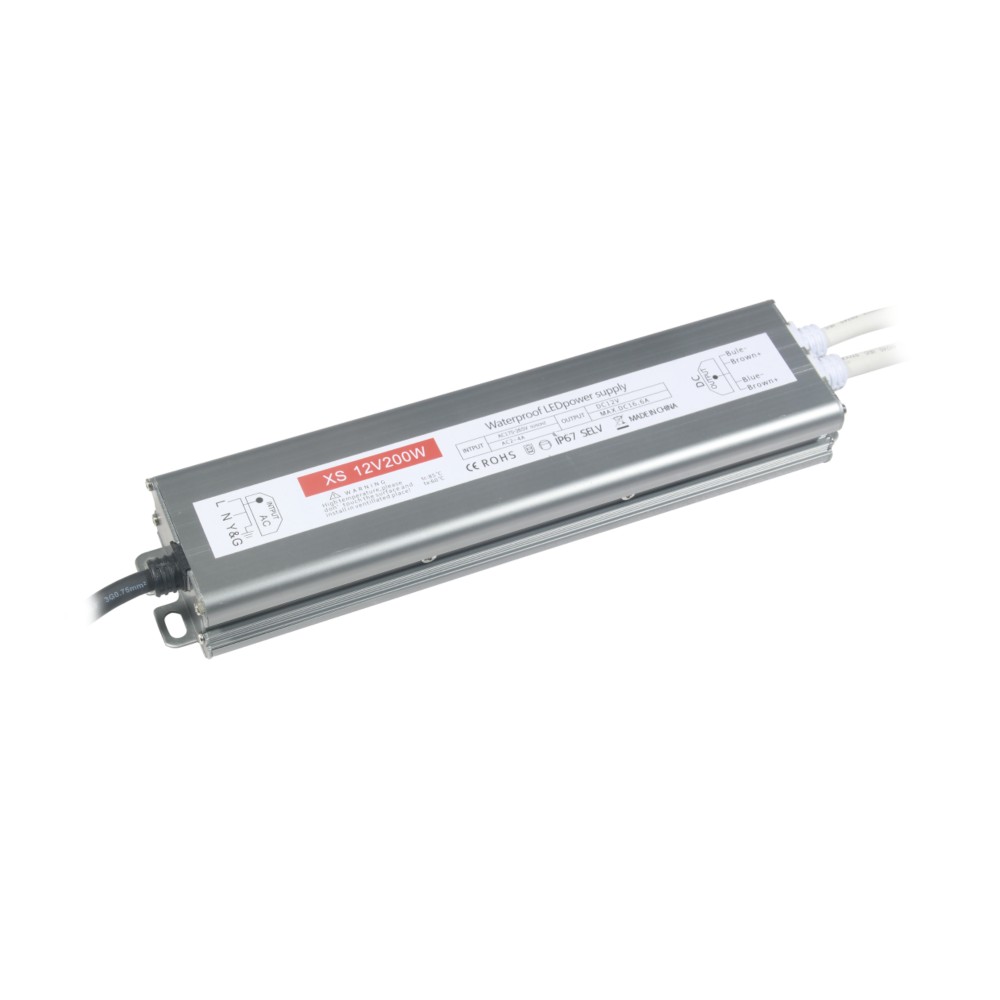
· Driver label – Sometimes printed as "PF ≥ 0.9"
· Certification marks – Energy Star and certain approvals require minimum PF
Pro tip: Quality drivers with active PFC (Power Factor Correction) typically achieve PF ≥ 0.95.
The Cost Trade-Off
Drivers with high PF (≥ 0.9) typically cost 10–20% more than low-PF alternatives. For a single home project, the energy saving may never recover this premium. However, for large commercial installations, the energy savings, capacity, and regulatory benefits quickly justify the investment.
Final Thoughts
Power factor may seem technical – but it's a useful indicator of driver quality. For most residential projects, PF 0.9 is a sensible baseline. For commercial installations, insist on PF ≥ 0.95 with active PFC.
A high PF driver not only reduces energy waste and complies with regulations – it signals a well-engineered product built for long-term reliability.
We specify PF ≥ 0.9 for all our standard drivers, with active PFC options for commercial projects. Browse our driver collection or contact us for guidance on your specific installation.
 Hot News
2026-07-24
2026-07-24
2026-07-24
2026-07-24
2026-07-24
2026-07-24
 EN
EN