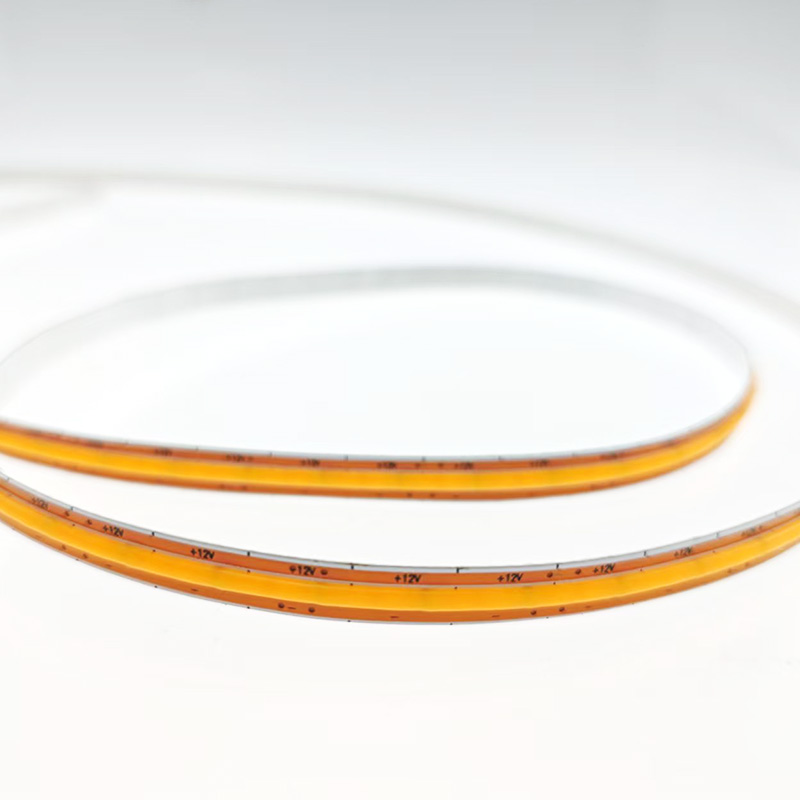
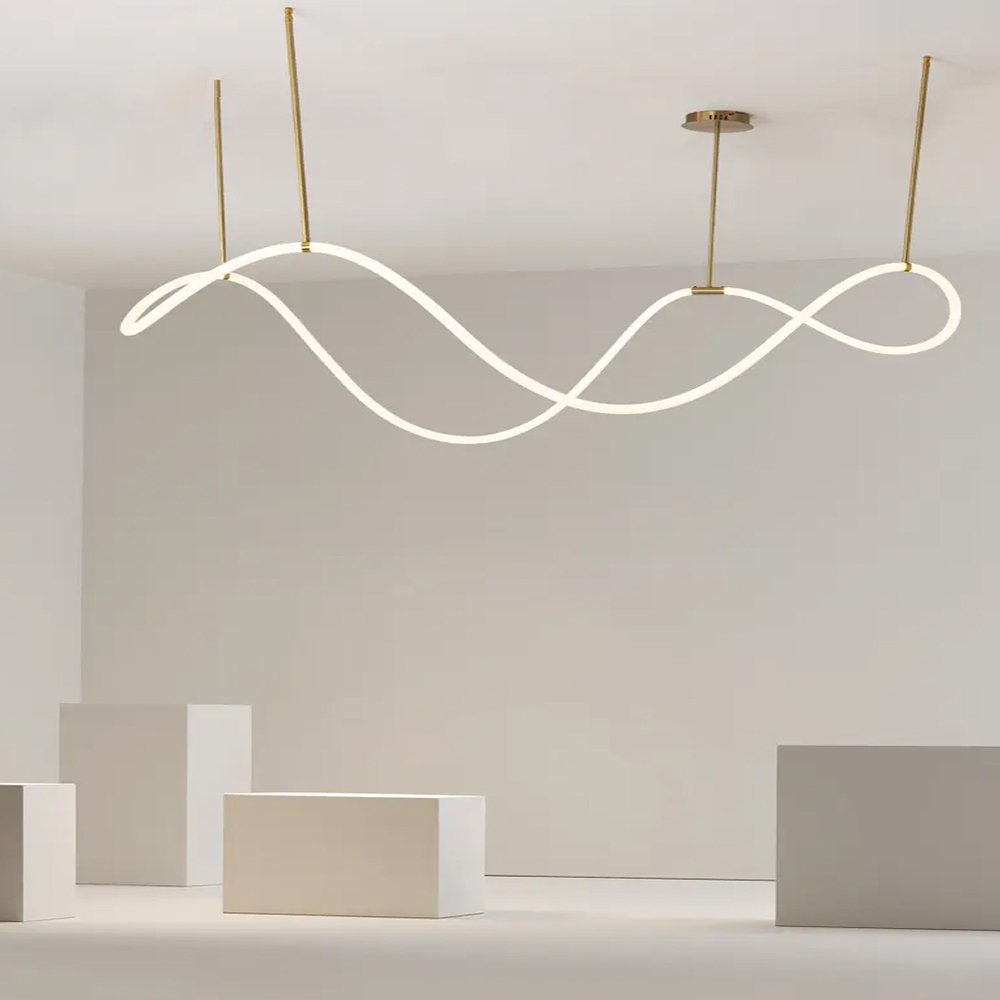
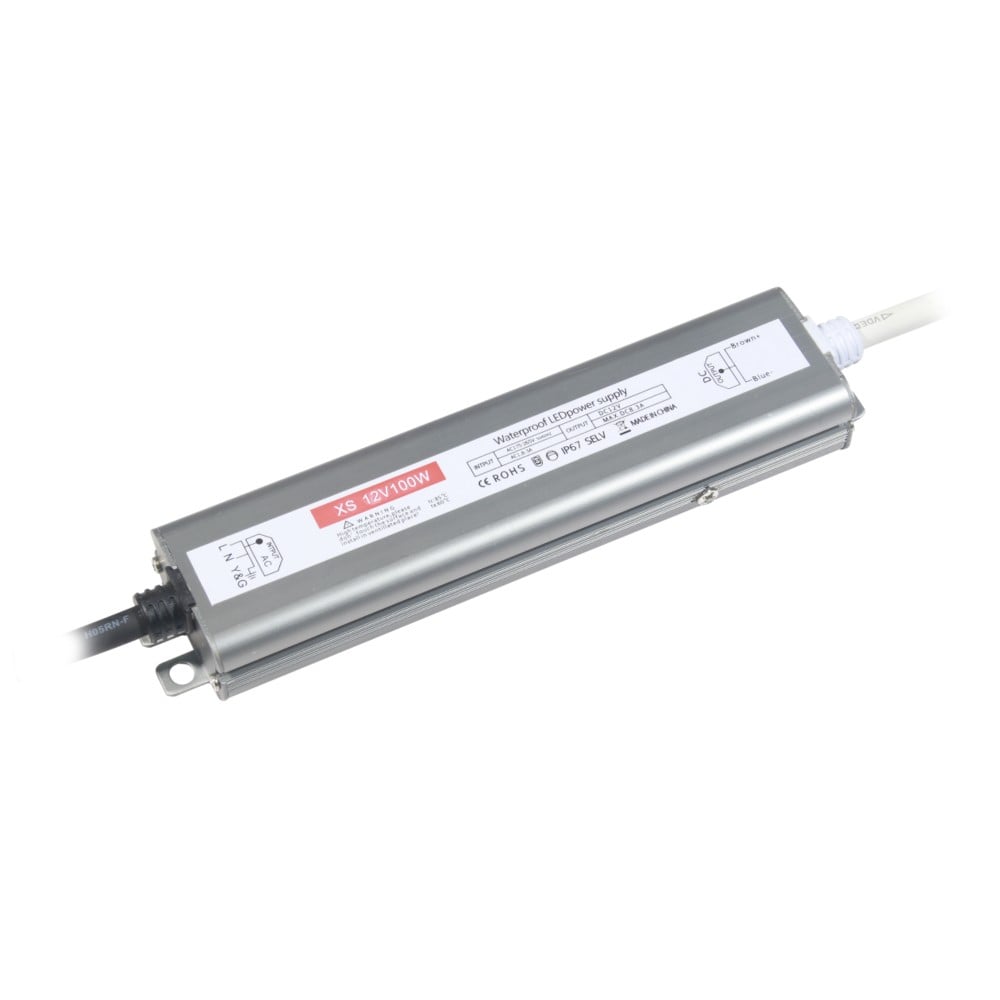
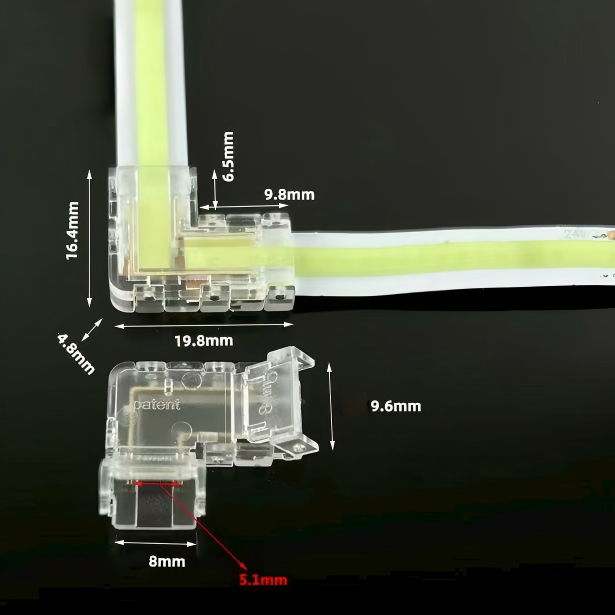
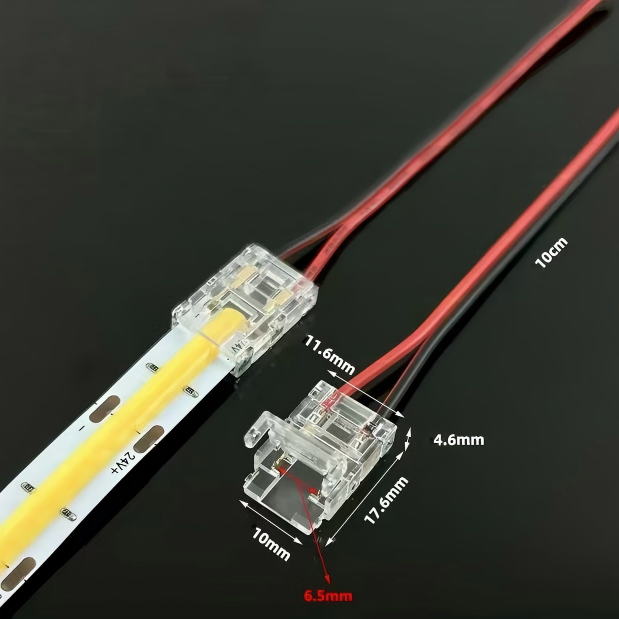
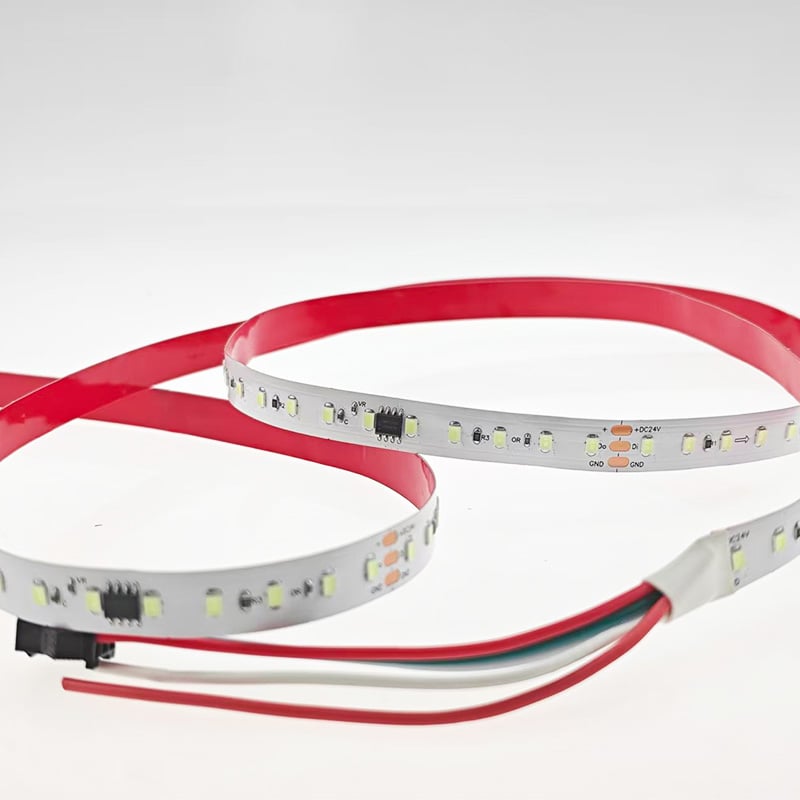
We’ve had countless discussions about using RGB strips for accent lighting or holiday decorations. But in 2026, the real innovations and business opportunities are happening elsewhere—inside controlled‑environment farms and inside our bedrooms, kitchens, and living rooms. This shift fundamentally changes what customers look for: efficiency, health outcomes, and integration rather than just aesthetics.
1. From Soil to Shelf: LED Strips as the Engine of Urban Agriculture
The global vertical farming market is expected to reach $9.54 billion in 2026 and grow to $38.4 billion by 2032. The lighting segment alone is moving at an explosive pace: the LED horticulture lighting market reached $6.09 billion in 2026 with a 26.8% CAGR. For B2B suppliers, this isn’t just a niche—it’s a core growth driver.
Modern LED strips are now deployed as inter‑lighting solutions placed directly within plant canopies rather than hanging overhead. By placing lighting fixtures closer to crops, energy costs are significantly reduced while increasing yields. These in-canopy systems achieve positive ROI within a single growing cycle, compared to the multi‑year payback periods of conventional overhead fixtures.
For commercial vertical farms, LED strips deliver a two‑fold economic advantage: lowering lighting electricity consumption while simultaneously reducing cooling loads from heat dissipation. With photon efficacy now exceeding 3.5 μmol/J, today’s systems deliver 20‑30% more usable light per watt than installations from just five years ago. When LEDs account for as much as 72% of daily electricity use in vertical farms, every efficiency point matters directly to your customers’ bottom line.
2. Beyond Brightness: Wellness as the New Standard for Home Lighting
While commercial farming demands efficiency, residential customers want something else—and that something is driving the human‑centric lighting (HCL) revolution. The global HCL market is projected to hit $4.52 billion in 2026, fueled by consumers who view lighting as a tool for health, comfort, and productivity. This market is expanding at a remarkable CAGR of 22.47%, meaning demand is accelerating faster than many other lighting segments.
Tunable white LED strips are the workhorses of this trend. A single strip incorporating both warm (2700K) and cool (6500K) white LEDs can simulate the natural progression of daylight. In the morning, cooler temperatures boost alertness and cognitive processing; as evening approaches, warmer tones signal relaxation and prepare the body for sleep.
This isn’t hype. LEDucation 2026 identified human‑centric lighting as one of the biggest themes, with tunable white control becoming essential in both residential and architectural applications. Installers and designers now routinely ask for high CRI (90+ or ideally 95+), flicker rates below 5% at 100 Hz, and R9 values of at least 50 to render skin tones and reds naturally.
3. What This Means for Your Product Line
For suppliers, the practical takeaway is clear. On the commercial side, offering purpose‑built horticultural strips with high photon efficacy (≥ 3.5 μmol/J), targeted spectrum recipes, and form factors designed for in‑canopy deployment positions you as a partner in efficiency, not just a component seller. On the residential side, tunable white CCT strips with exceptional color rendering, low flicker, and compatibility with smart controls turn lighting into a wellness feature.
The days when all customers asked for were “bright and colorful” are long gone. Today’s buyers—from vertical farm operators to residential architects—are sophisticated. They want data sheets that specify efficacy, spectrum charts, and flicker performance alongside lumen output. They want lighting that grows food and lighting that grows human health. Are your LED strips ready for both?
 Hot News
2026-07-24
2026-07-24
2026-07-24
2026-07-24
2026-07-24
2026-07-24
 EN
EN