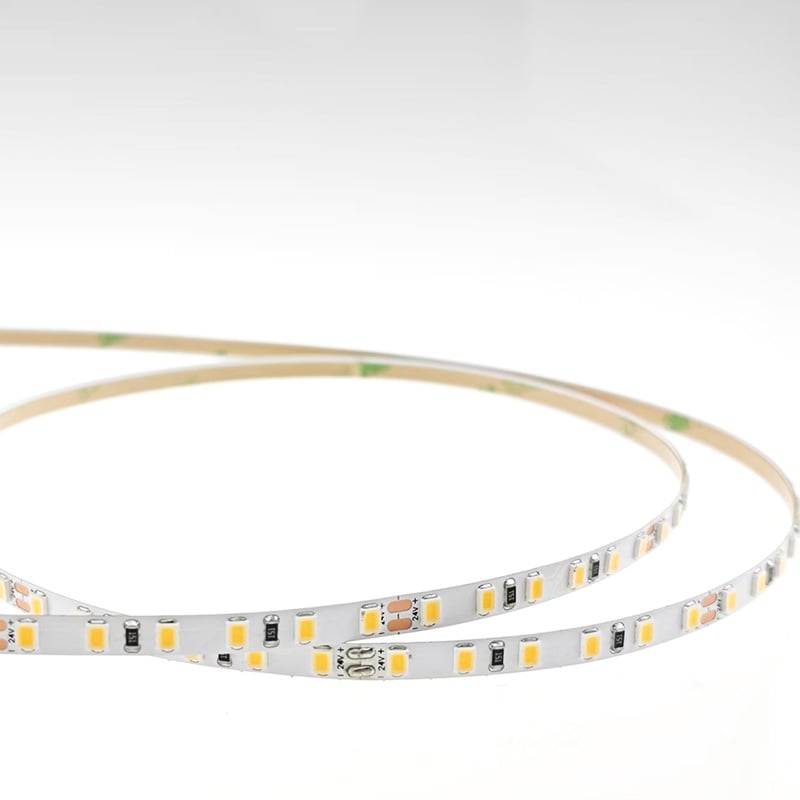
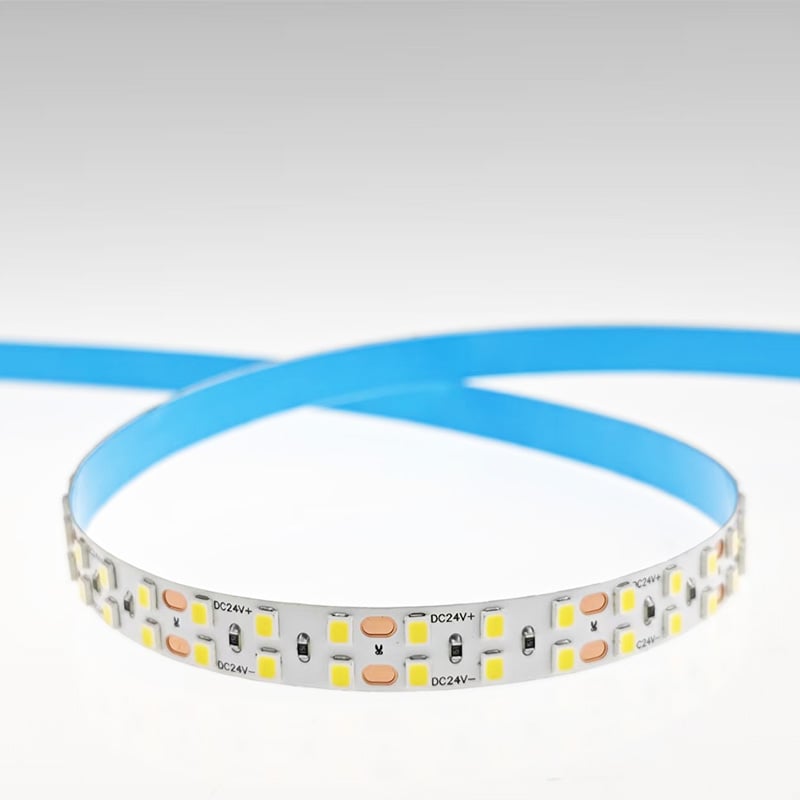
Choosing the right LED strip color temperature for hotel guestrooms improves guest comfort and reduces complaints. Learn zone-by-zone recommendations for procurement teams.
The Right LED Strip Color Temperature for Every Hotel Guestroom Zone
When sourcing LED strip lighting for a hotel project, procurement managers often focus on wattage, CRI, and certification. But one of the most overlooked yet critical decisions is color temperature. The wrong Kelvin (K) value can make a luxury room feel cold or cheap, while the right choice enhances guest satisfaction and reduces negative reviews.
This guide breaks down recommended color temperatures for key guestroom zones –helping you make confident, specification-ready decisions.
Why Color Temperature Matters for Hotel Guestrooms
Hotel guests expect a warm, relaxing, or invigorating atmosphere depending on the area. Color temperature directly influences perceived comfort, cleanliness, and space size.
For hotel procurement, specifying the right Kelvin value per zone also standardizes inventory and simplifies future replacement.
Recommended Color Temperatures by Guestroom Zone
1. Bed headboard / wall washing – 2700K to 3000K
This is the guest’s main visual focus at night. A warm 2700K or 3000K creates a cozy, sleep-friendly glow. Avoid anything above 3500K behind the bed–it will feel like an office.
2. Ceiling cove / indirect lighting–3000K
Ceiling cove lighting should be soft and even. 3000K works universally for most hotel designs. If the hotel brand targets a ultra-luxury feel (e.g., boutique or heritage hotels), 2700K is a better match.
3. Vanity mirror / bathroom zone–3500K to 4000K
Guests apply makeup and shave here. Neutral to slightly cool light (3500K–4000K) provides good color rendering without being harsh. However, keep the main bedroom area warmer–abrupt temperature shifts between zones can feel jarring.
4. Desk / work area–3000K to 3500K
Business travelers need functional light for laptops or paperwork. 3000K is safe, but 3500K offers slightly better visibility. Never exceed 4000K.
5. Closet / wardrobe–3000K to 3500K
Inside closets, guests need to see clothing colors accurately. 3000K works well, but 3500K improves color distinction. LED strips with high CRI (≥90) are strongly recommended here.
6. Floor / night navigation – 2700K to 3000K
Bedside toe-kick or floor-level strips should be very warm (2700K) to avoid disturbing sleep when activated by motion sensors.
Practical Tips for Hotel Procurement Teams
1.Stick to 2–3 color temperatures per room
Using more than three different Kelvin values in one guestroom creates visual chaos. The best practice: 2700K/3000K for sleeping areas + 3500K/4000K for bathroom/desk.
2.Demand batch-to-batch consistency
Ask your LED strip supplier for binning control and sample retention. Even a 100K difference between batches becomes visible when replacing damaged strips.
3.Request mockups before mass order
Always test your chosen color temperatures in an actual room mockup. Wall colors, flooring, and furniture wood tones can shift how a Kelvin value appears.
4.Consider tunable white for premium projects
For high-end hotels, tunable white LED strips (2700K–4000K) allow guests to adjust room temperature via a smart panel. This adds differentiation but increases driver cost.
Summary–Quick Reference for Specifiers
Conclusion
For hotel procurement managers, specifying LED strip color temperature is not just about aesthetics–it directly impacts guest satisfaction, maintenance costs, and brand perception. By applying zone-based Kelvin values (warm for relaxation, neutral for tasks), you can avoid the most common lighting complaints.
 Hot News
2026-07-24
2026-07-24
2026-07-24
2026-07-24
2026-07-24
2026-07-24
 EN
EN