Choosing the right LED strip lights for office applications improves employee comfort, reduces energy costs, and meets lighting standards. Learn zone-based recommendations, color temperature guidance, and procurement tips.
LED Strip Lights for Office Applications–What Specifiers Need to Know
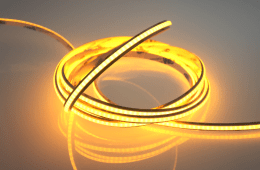
Office lighting affects productivity, focus, and employee wellbeing. Harsh overhead fluorescent tubes are no longer acceptable. Modern office designs increasingly use LED strip lights for indirect lighting, task accentuation, and architectural integration.
For facility managers, lighting designers, and procurement teams, this guide covers how to select and apply LED strips in office environments–from open plan areas to meeting rooms and corridors.
Why Use LED Strips in Office Lighting?
LED strip lights offer several advantages for office applications:
· Uniform light distribution–Eliminates dark spots and harsh shadows when used in indirect fixtures or channels.
· Energy efficiency–Consumes up to 75% less energy than legacy fluorescent systems.
· Slim profile–Fits into coves, desk fascias, glass partitions, and suspended ceiling details.
· Long life (50,000+ hours)–Reduces maintenance frequency in hard-to-reach areas.
· Dimmable and controllable–Works with DALI, 0-10V, or smart building systems for circadian lighting.
When correctly specified, LED strips contribute to WELL Building Standard requirements and LEED credits.
Zone-by-Zone Application for Offices
Different office zones have different lighting needs. Here is how LED strips can be applied effectively.
1.Open Plan Work Areas
Large, open offices require even ambient lighting with minimal glare. LED strips mounted inside indirect linear fixtures (uplighting) or suspended channels provide soft, uniform illumination.
· Recommended CCT: 4000K (neutral white) for alertness
· CRI: ≥80 (≥90 for better color distinction)
· Mounting: Aluminum channels with diffusers for glare control
2.Private Offices and Executive Rooms
Executive spaces benefit from layered lighting. LED strips can be integrated into ceiling coves, bookshelves, or behind headboards to create a warm, comfortable atmosphere without sacrificing task lighting.
· Recommended CCT: 3500K–4000K (warmer than open office for comfort)
· Dimming: Essential for adjusting mood and video calls
3.Meeting and Conference Rooms
Meeting rooms need flexible lighting for presentations, video conferences, and note-taking. LED strips around ceiling perimeters (indirect) or under whiteboards provide glare-free illumination.
· Recommended CCT: 4000K (balanced for both screens and faces)
· Special feature: Tunable white (3000K–5000K) to shift from relaxed brainstorming to focused review
4.Corridors and Break Areas
Circulation zones require adequate visibility without being overly bright. LED strips in cove ceilings or along handrails create a modern, welcoming feel.
· Recommended CCT: 3500K–4000K
· Motion sensors: Ideal for energy savings in low-traffic times
5.Workstations and Desk Accents
Task-specific LED strips under shelving, inside monitor risers, or along desk edges reduce eye strain and provide localized lighting.
· Recommended CCT: 4000K for clear task visibility
· CRI: ≥90 for accurate document and color work
Critical Technical Considerations for Office LED Strips
1.Color Temperature (CCT)
Offices generally use neutral white (3500K–4500K). Studies show 4000K improves alertness and accuracy. Avoid very warm (2700K)–too sleepy–and very cool (6500K)–too harsh.
2.Flicker and Glare
LED strips for offices must be flicker-free (low ripple <5%) to prevent eye strain and headaches. Always pair with an appropriate driver. Glare is reduced by using channels with opal or micro-prism diffusers.
3.Dimming and Controls
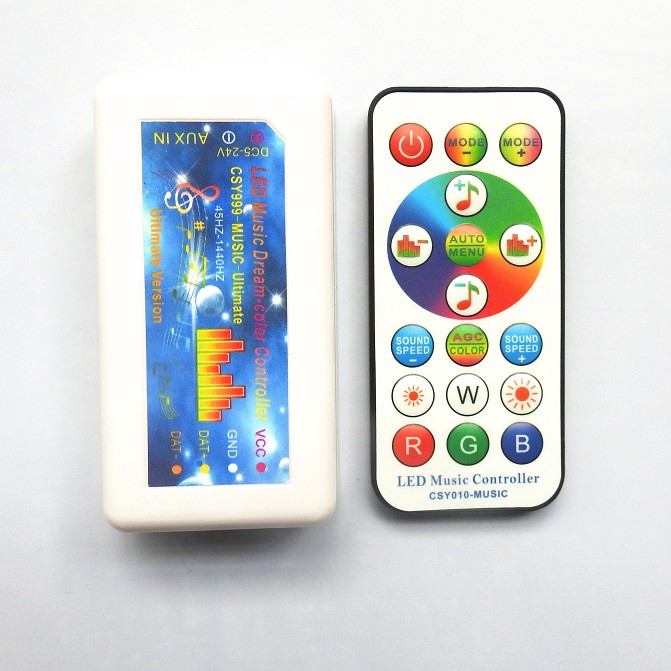
DALI and 0-10V dimming are standard for office projects. Ensure the LED strip and driver are compatible. Smart controls can integrate with occupancy sensors to meet energy codes.
4.Uniformity and Spacing
For linear cove applications, strips should be placed at a distance from the ceiling surface (typically 2–3 times the strip width) to avoid scalloping or hot spots.
5.Voltage and Run Length
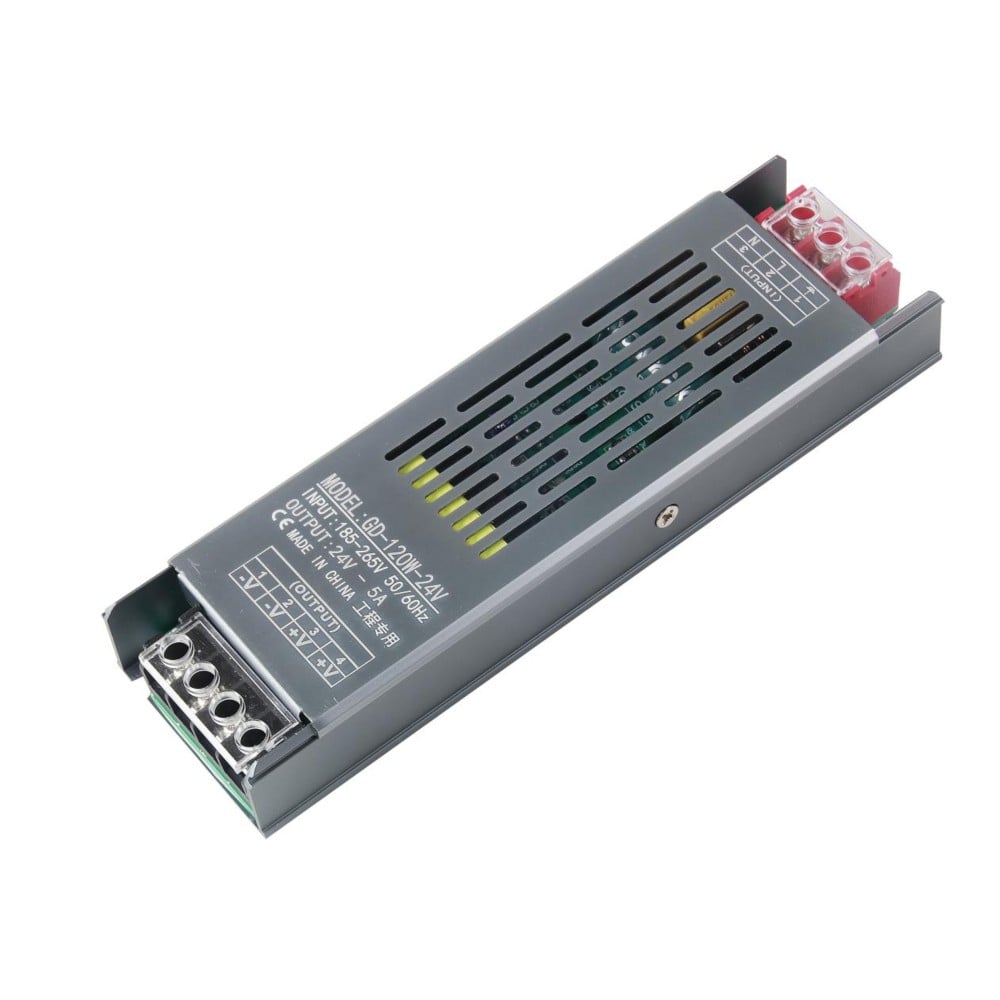
For large open offices, 24V strips are preferred over 12V to reduce voltage drop. Runs up to 10–12 meters (33–40 feet) are possible without re-injection.
Compliance and Certifications for Office Projects
When procuring for commercial offices, ensure your LED strips carry:
· UL or CE for safety
· RoHS for environmental compliance
Request LM-80 reports if the project requires long-term lumen maintenance data.
Procurement Checklist for Office LED Strips
Criteria What to specify
Color temperature 4000K (open office), 3500K (executive)
CRI ≥90 for task areas, ≥80 for general
IP rating IP20 (indoor dry), IP44 if near windows
Voltage 24V (preferred for long runs)
Dimming protocol DALI, 0-10V, or PWM
Diffuser type Opal or micro-prism channel
Warranty Minimum 3 years, ideally 5 years
Conclusion
LED strip lights are no longer just accent lighting – they are a core component of modern office illumination. When correctly specified with appropriate color temperature, flicker-free drivers, and glare-reducing channels, they improve employee comfort, energy efficiency, and design flexibility.
 Hot News
2026-07-24
2026-07-24
2026-07-24
2026-07-24
2026-07-24
2026-07-24
 EN
EN