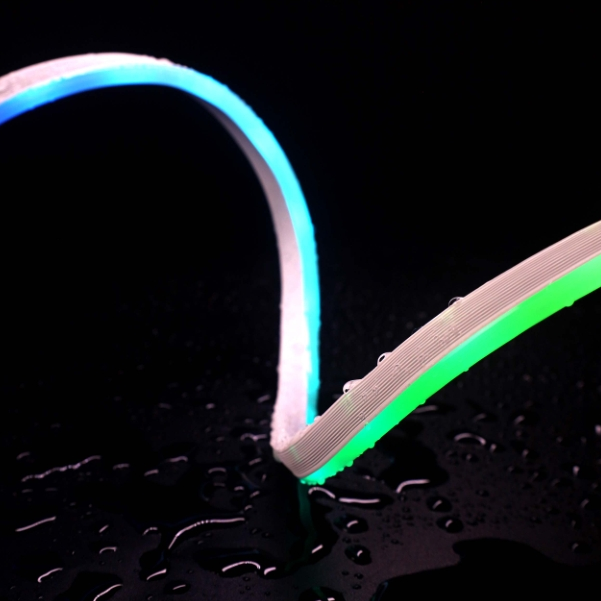
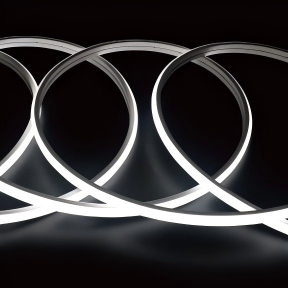
Selecting the right LED strip lights for outdoor landscape projects requires understanding IP ratings, color temperature, and durability. This guide helps procurement teams and landscape designers make reliable choices.
The Complete Guide to LED Strip Lights for Outdoor Landscape Projects
Outdoor landscape lighting transforms gardens, building facades, pathways, and water features into stunning nighttime scenes. LED strip lights offer flexibility and energy efficiency – but choosing the wrong product for outdoor use leads to early failure, safety hazards, and costly rework.
For procurement managers, landscape architects, and contractors, this guide covers the essential factors when sourcing LED strips for exterior applications.
Why Outdoor Landscape Projects Need Specialized LED Strips
Indoor LED strips are not built to withstand moisture, UV radiation, or temperature swings. Outdoor landscape installations face:
· Rain, sprinklers, and humidity
· Direct sunlight and UV degradation
· Dust, dirt, and insects
· Extreme heat and cold
Using non-rated strips outdoors will result in yellowing, adhesive failure, short circuits, or complete LED failure within months. The right outdoor strip, however, can last 30,000–50,000 hours with proper selection.
Critical Factor #1 – IP Rating (Ingress Protection)
The IP rating tells you how well the strip is sealed against solids (dust) and liquids. For outdoor landscape use, always look for:
· IP65 – Silicone coating or tube. Resists rain and splashing. Suitable for eaves, sheltered patios, and under soffits. Not for direct water jets or submersion.
· IP67 – Fully potted in silicone or epoxy. Can be submerged up to 1 meter temporarily. Ideal for fountain edges, pond lighting, and ground burial (inside a channel).
· IP68 – Highest protection for continuous submersion. Used for swimming pools or water features with permanent water contact.
Recommendation: For most landscape projects (pathways, decking, facade lines), IP65 or IP67 is sufficient. For areas with pooling water or high-pressure cleaning, choose IP68.
Critical Factor #2 – UV Resistance and Material Quality
Outdoor LED strips must resist UV damage. Standard PVC or transparent silicone can yellow and crack after months in sunlight. Look for:
· UV-stabilized silicone – Does not yellow; remains flexible.
· Anti-UV coating – Some brands add a protective layer.
Additionally, the adhesive backing must be outdoor-grade. Even then, for permanent landscape installations, mechanical fixing (clips, screws, or aluminum channels) is strongly recommended – adhesive alone fails under heat and moisture.
Critical Factor #3 – Color Temperature for Outdoor Spaces
Color temperature affects mood, safety, and visual clarity. For landscape applications:
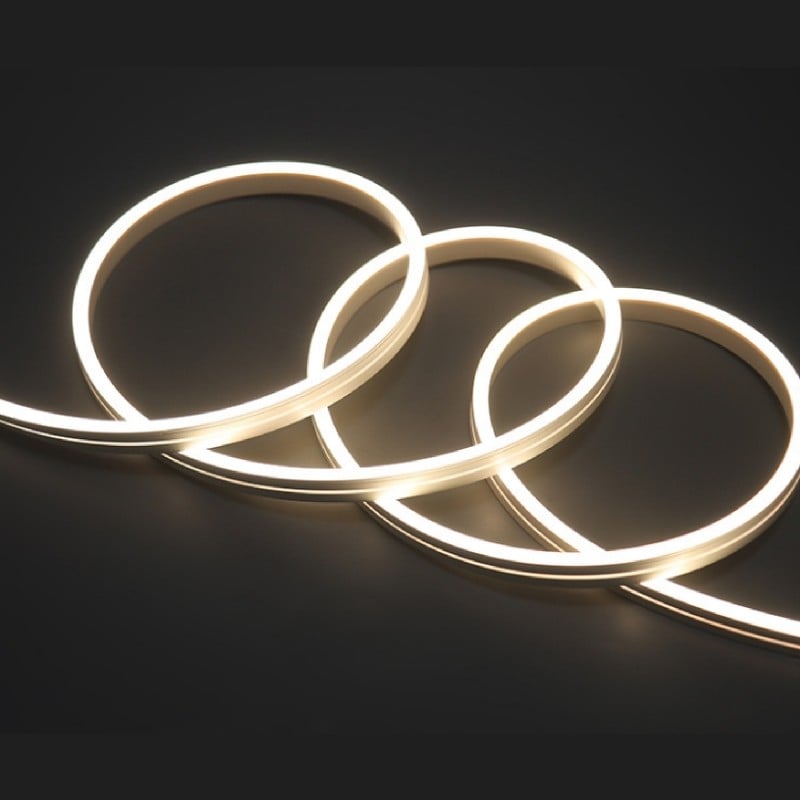
· 2700K–3000K (Warm white) – Creates a cozy, inviting atmosphere. Ideal for gardens, seating areas, and wooden decks. Blends naturally with plants.
· 4000K–4500K (Neutral white) – Good for pathways, steps, and driveways where visibility is key. Provides a clean, modern look.
· 5000K–6500K (Cool white) – Use sparingly, only for accentuating water features or modern architecture. Can feel harsh in natural settings.
· RGB/RGBW – For event spaces, commercial landscapes, or dynamic color-changing effects (parks, hotel entrances).
Pro tip: In the same landscape, avoid mixing very warm (2700K) and very cool (5000K) zones without a transition – it looks disjointed.
Critical Factor #4 – Power and Voltage for Long Runs
Outdoor landscape projects often require long continuous runs (e.g., along a fence or pathway). Voltage drop becomes a major issue.
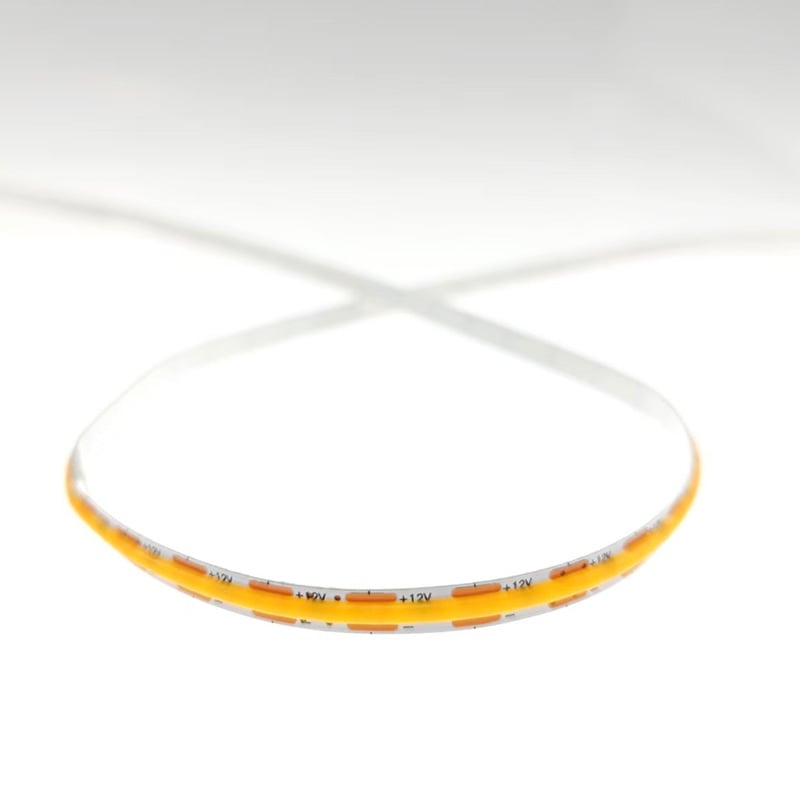
· 12V strips – Suitable for runs up to 5 meters (16 feet). Any longer requires parallel feeding.
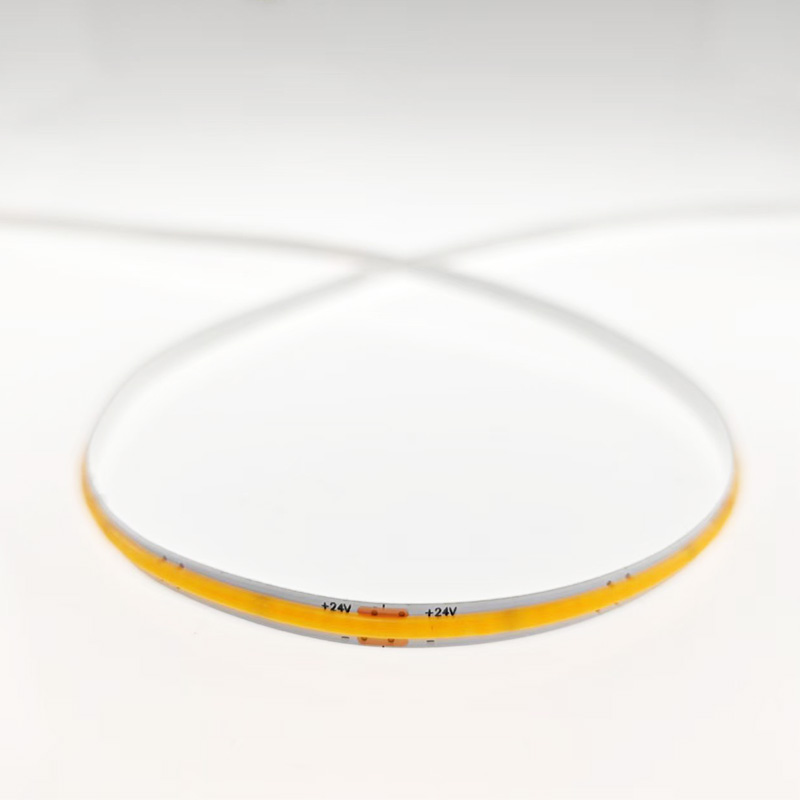
· 24V strips – Recommended for runs up to 10–12 meters (33–40 feet).
· 48V or constant current strips – For runs exceeding 15 meters with minimal drop.
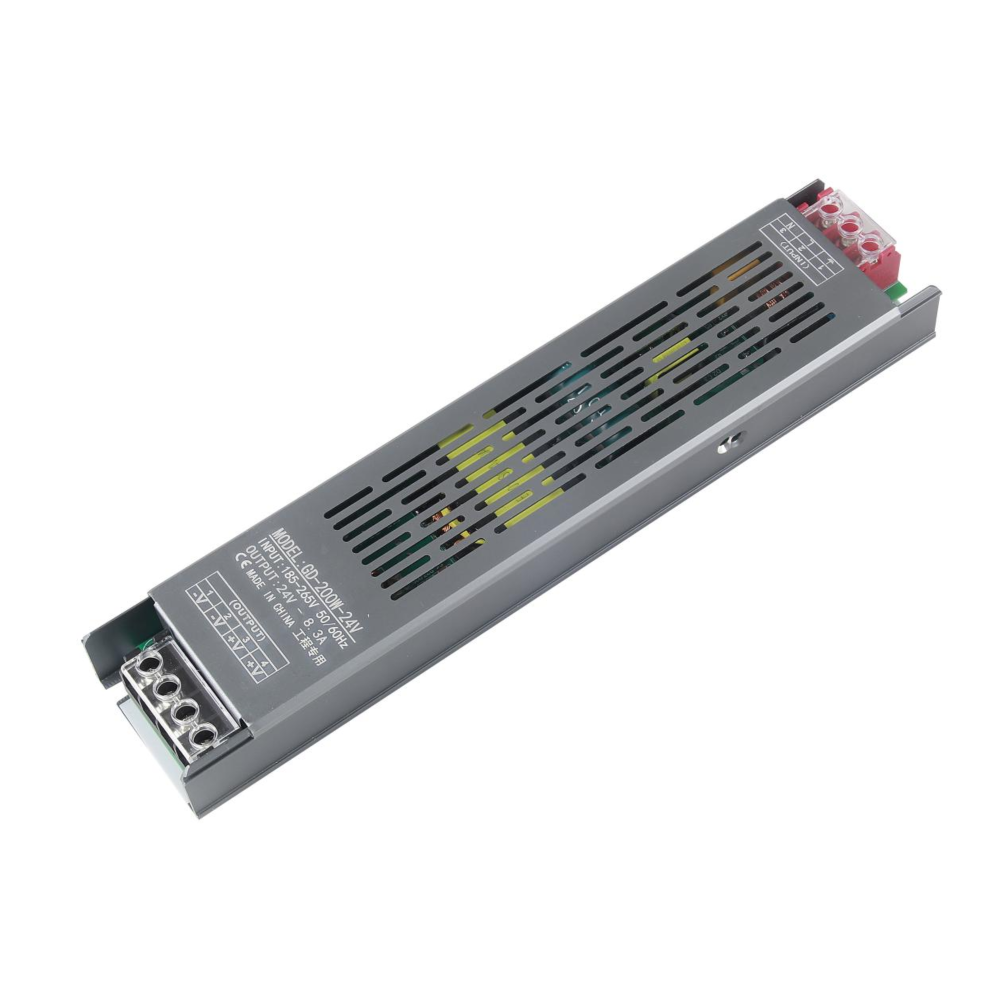
For large projects (e.g., hotel perimeter lighting), plan multiple power injection points or use higher voltage strips. Always install the driver in a weatherproof enclosure (IP65 or higher).
Critical Factor #5 – Installation Best Practices
Even the best outdoor LED strip will fail if installed incorrectly. Follow these guidelines:
1. Use aluminum channels – They dissipate heat, protect the strip from physical damage, and provide a clean linear light line.
2. Seal all connection points – Use waterproof connectors or silicone sealant at cut points, joins, and power leads.
3. Elevate drivers and controllers – Never place them where water can pool. Mount them inside weatherproof boxes at least 30cm above ground.
4. Avoid tension – Allow slight slack for thermal expansion.
Summary–Quick Selection Guide for Outdoor Landscape
Application Min IP Rating Recommended CCT Voltage Channel Recommended?
Garden path / deck edge IP65 2700K–3000K 24V Yes
Building facade line IP65 3000K–4000K 24V Yes
Fountain / pond edge IP67 3000K–5000K 24V Yes (waterproof)
Step lighting (outdoor stairs) IP65 4000K 12V/24V Yes
Swimming pool (submerged) IP68 3000K–4000K 24V Special channel
Dynamic color landscape (park) IP67 RGB/RGBW 24V Yes
Conclusion
Sourcing LED strip lights for outdoor landscape projects is not just about brightness – it is about durability, safety, and long-term performance. Focus on IP rating, UV resistance, correct voltage planning, and professional installation. When evaluating suppliers, ask for:
· IP test reports
· UV stability data
· Sample runs for color consistency
Ready to specify LED strips for your next landscape project? [Contact our team] for project-based quotations, free samples, and technical support including IES files and DIALux simulations.
 Hot News
2026-07-24
2026-07-24
2026-07-24
2026-07-24
2026-07-24
2026-07-24
 EN
EN