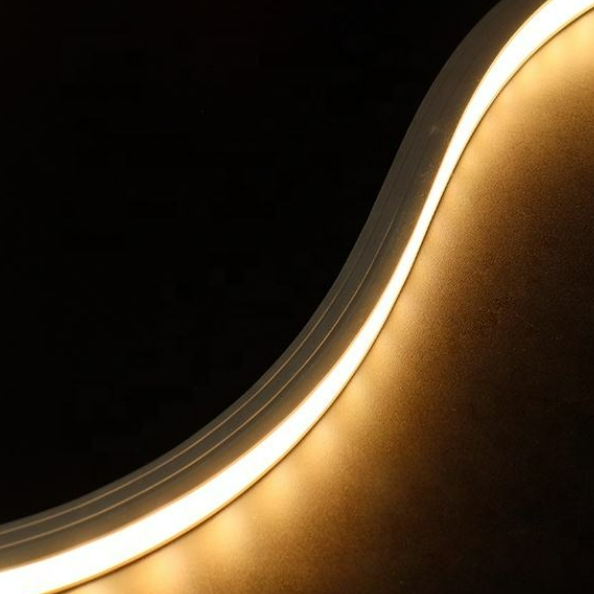
We often choose LED strips based on brightness, colour, and price—but how often do we consider their impact on our health? The truth is, the light we surround ourselves with affects sleep quality, eye comfort, and even mood.
As a responsible lighting supplier, we believe in transparency. Here’s what you need to know about the health aspects of LED strip lighting—and how to make choices that protect your wellbeing without sacrificing performance.
1. Blue Light: Friend or Foe?
Blue light is a high-energy, short-wavelength component of the visible spectrum. It’s present in sunlight, which is beneficial during the day—it boosts alertness and suppresses melatonin. However, excessive blue light at night can disrupt your sleep cycle.
What to look for:
· Colour temperature matters – Warm white (2700–3000K) contains significantly less blue light than cool white (5000–6500K). For bedrooms and living rooms, choose warm tones.
· Tunable white strips – These allow you to shift to warmer temperatures in the evening, automatically reducing blue light exposure.
· CRI vs. blue content – High CRI (90+) does not necessarily mean more blue; it means better colour rendering. Choose high CRI with warm CCT for healthier lighting.
Pro tip: For evening use, set your tunable strip to 2700K or lower. If you need bright light for tasks, use 4000K during the day and switch to warm after sunset.
2. Flicker: The Hidden Eye Strain
Flicker is the rapid fluctuation of light intensity, often invisible to the naked eye but detectable by the brain. It can cause headaches, eyestrain, and even migraines, especially for people sensitive to light.
Why flicker happens:
· Cheap drivers use low-frequency PWM (pulse-width modulation) dimming.
· Incompatible dimmers or overloaded power supplies also introduce flicker.
How to avoid it:
· Choose LED strips and drivers that specify flicker-free operation (often with a high PWM frequency 2000Hz).
· Test your installation with a smartphone camera—if you see rolling lines or bands, flicker is present.
· Invest in quality drivers with constant-current or high-frequency dimming.
Our recommendation: All our premium strips are paired with flicker-free drivers, ensuring visual comfort even at low dimming levels.
3. Circadian Rhythms: Light That Works With Your Body
Your body has an internal clock—the circadian rhythm—that responds to light cues. Morning light (cool and bright) signals wakefulness; evening light (warm and dim) triggers melatonin production for sleep.
How LED strips can help:
· Dynamic tuning – Use tunable white strips with scheduling. Automatically raise colour temperature to 5000K in the morning for an energising start, and lower to 2700K in the evening for relaxation.
· Dimming schedules – Pair with a smart controller to gradually dim lights in the evening, mimicking sunset.
· Nightlight mode – Use a very dim warm strip (e.g., 2200K at 5% brightness) for nighttime navigation without disrupting sleep.
Real-world impact: Users report better sleep quality, improved mood, and higher daytime productivity when following circadian lighting patterns.
4. Glare and Visual Comfort
Harsh, direct light causes discomfort and reduces visual clarity. This is particularly relevant for exposed LED strips without diffusion.
Solutions:
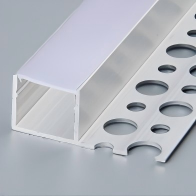
· Use aluminium channels with frosted or milky diffusers to soften the light.
· Install strips in coves or behind furniture to create indirect illumination.
· Choose COB strips – their continuous light line is inherently less glaring than individual SMD dots.
Comfortable lighting reduces squinting, eye fatigue, and long-term visual stress—especially important for home offices and reading areas.
5. Flicker-Free Dimming: The Key to True Comfort
Many people dim their lights for ambiance, but not all dimming is created equal. Poor dimming introduces flicker, even if the strip is otherwise high-quality.
What to look for:
· PWM frequency – Aim for 2000Hz; higher is better.
· Dimming range – Smooth 0–100% without visible steps or flashing.
· Compatibility – Ensure your dimmer and driver are matched; use our recommended combinations for guaranteed performance.
6. Practical Tips for Healthier LED Lighting at Home
Room Recommended CCT Additional Advice
Bedroom 2200–2700K Use tunable white; dim in the evening
Living Room 2700–3000K Indirect lighting; use diffusers
Home Office 4000–5000K (daytime) Shift to 3000K after 6 PM
Kitchen 3500–4000K High CRI for food prep; avoid cool white after dinner
Bathroom 3000–3500K Mirror lighting at 4000K for makeup, but dim for night visits
Children's Room 2700–3000K Minimise blue light; use dimmable strips for bedtime routines
Final Thoughts
LED technology is incredibly versatile, but its health impacts are often overlooked. By choosing the right colour temperature, ensuring flicker-free operation, and leveraging smart controls for circadian support, you can enjoy beautiful lighting that also cares for your wellbeing.
We believe in lighting that does more than just illuminate—it nurtures. Our range of tunable white, high-CRI, and flicker-free LED strips is designed with your health in mind. And our team is always available to help you design a lighting scheme that works with your body, not against it.
Explore our health-focused collection today. Your eyes, your sleep, and your mood will thank you.
Questions about blue light or flicker? Contact our lighting specialists—we're here to guide you to safer, smarter choices.
 Hot News
2026-07-24
2026-07-24
2026-07-24
2026-07-24
2026-07-24
2026-07-24
 EN
EN