You've specified the perfect LED strip for a hotel lobby retrofit. The CRI is 95. The colour temperature is a perfect 3000K. The price is competitive. Installation begins — and then the building inspector stops work. "Why isn't this strip UL Listed?" The project stalls. The client is angry. You're left scrambling for documentation that doesn't exist. In commercial lighting, certifications are not optional — they are the price of entry. From electrical safety to energy efficiency rebates, the right certifications determine whether your project passes inspection, qualifies for incentives, and performs reliably over its lifespan.
This guide breaks down the essential LED strip certifications every commercial specifier, contractor, and facility manager needs to understand.
Why Certifications Matter in Commercial Projects
Certification is the evaluation process conducted by authoritative agencies to assess product safety, electromagnetic compatibility (EMC), energy efficiency, and environmental impact — followed by the issuance of compliance certificates.
In commercial projects, certifications serve four critical purposes:
· Safety — Preventing fire or electric shock risks caused by electrical faults, overheating, or material defects
· Regulatory compliance — Different markets have unique entry standards; certification is often mandatory
· Insurance and liability — Uncertified products can void building insurance and expose contractors to liability
· Rebate eligibility — Many utility incentive programs require specific certifications
Skipping certifications to save a few dollars per metre is a false economy. The cost of a failed inspection, a voided warranty, or a liability claim far outweighs any upfront saving.
North American Safety Certifications: UL and ETL
UL (Underwriters Laboratories) , established in 1894, is the historic standard-bearer in lighting safety. UL doesn't just test products — they often author the safety standards themselves. For LED strips, the applicable standard is UL 2108 (Low Voltage Lighting Systems) .
ETL (Intertek) , founded by Thomas Edison in 1896, is an equally valid Nationally Recognized Testing Laboratory (NRTL) accredited by OSHA.
Critical point for specifiers: ETL tests lighting products to UL standards. An ETL-certified LED strip has been tested against the same UL 2108 standard as a UL-certified one. From a legal and code-compliance standpoint, both carry the same weight.
What the mark means: UL Listed or ETL Listed means the product has been tested by a third-party lab and meets established safety standards for fire resistance, electrical shock protection, and thermal management.
For commercial projects: Most building inspectors now accept both UL and ETL marks. However, on very conservative projects — particularly those with government or institutional clients — specifying UL can provide additional confidence.
The NEC and Building Code Requirements
In the United States, the National Electrical Code (NEC) establishes minimum standards for safeguarding people and property from electrical hazards.
NEC Article 411 governs low-voltage lighting systems operating at or below 30 volts. It requires that:
· Lighting systems must be part of a listed system — the luminaires, power supply, and fittings must all be certified for use as components of the same designated lighting system
· LED strips must be certified (UL/ETL or equivalent) as part of a listed lighting system or individually listed as components
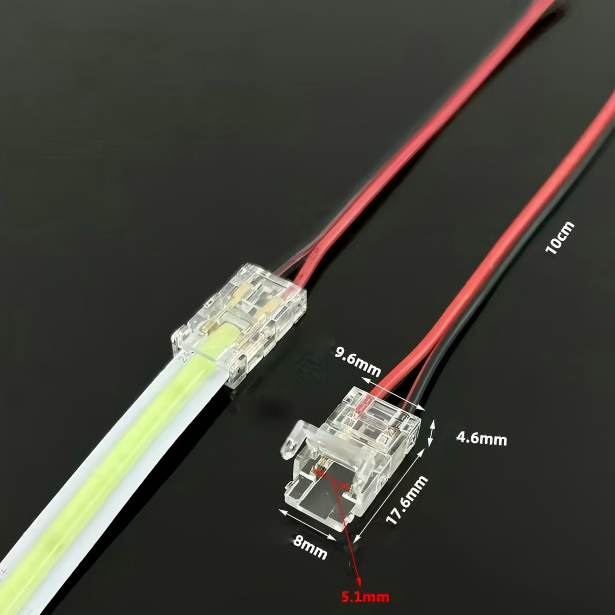
What this means in practice: You cannot mix and match uncertified components. The strip, power supply, and connectors must all carry appropriate certifications and be installed according to their listing and manufacturer's instructions.
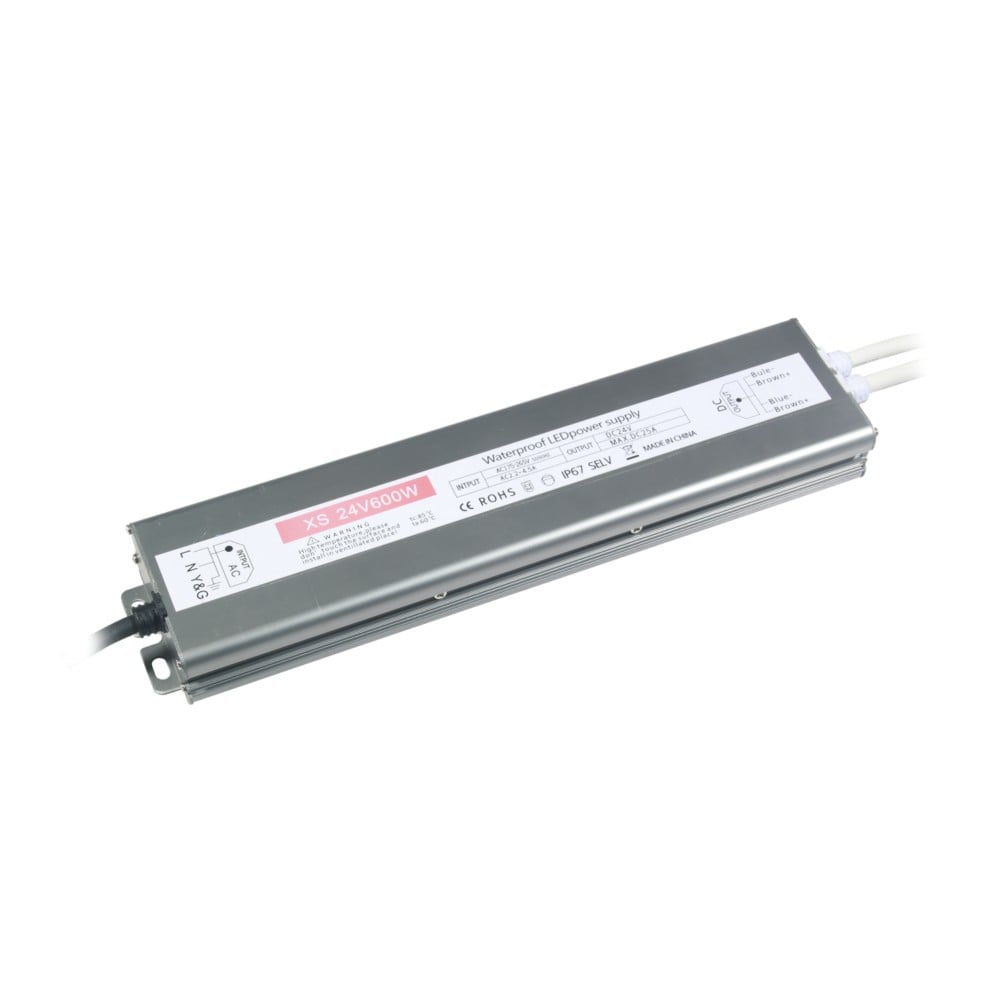
Class 2 power supplies — defined by UL 1310 — are limited to 60V DC, 5A, and 100VA. Using a Class 2 power supply simplifies installation and reduces wiring requirements, but the strip itself must still be UL or ETL Listed.
European and International Certifications
CE Marking is mandatory for products sold within the European Economic Area. It signifies that the product meets EU safety, health, and environmental standards. CE covers the Low Voltage Directive (LVD), Electromagnetic Compatibility (EMC), and RoHS requirements.
RoHS (Restriction of Hazardous Substances) restricts the use of hazardous materials — including lead, mercury, and cadmium — in electrical and electronic equipment. For commercial projects with sustainability requirements, RoHS compliance is often non-negotiable.
Other international marks to know:
· CCC — Mandatory for products sold in China
· PSE — Required for Japan
· KC — Korea's certification mark
· RCM — Australia and New Zealand
For multi-national commercial projects, verify which certifications are required in each jurisdiction.
Environmental and Performance Certifications
RoHS — Restricts hazardous substances in manufacturing
REACH — Controls chemical impacts on health and the environment
LM-80 — Tests LED lumen maintenance over 6,000+ hours, providing data on how long the strip will maintain its brightness
Energy Star — For high-efficiency residential and some commercial products
For projects pursuing LEED, BREEAM, or other green building certifications, these environmental marks are often required.
What Happens If You Skip Certifications?
Risk Consequence
Building inspection failure Project delays, rework costs, potential fines
Insurance voidance Uncertified installations can void property insurance
Liability exposure Fire or electrical incidents from uncertified products shift liability to the specifier/installer
No utility rebates Leaving 25-50% of project cost on the table
Warranty denial Manufacturers often void warranties if products aren't installed with certified components
Reputation damage Failed inspections and callbacks harm your reputation
Quick Reference: Commercial LED Strip Certification Checklist
Certification Region What It Verifies Required For
UL / ETL North America Electrical safety (UL 2108) Building code compliance, insurance
CE Europe Safety, EMC, environmental Legal sale in EU
RoHS Global Hazardous substance restriction Environmental compliance
DLC North America Performance, efficacy, quality Utility rebates
Class 2 Power Supply North America Low-voltage safety (UL 1310) Simplified wiring, NEC compliance
LM-80 Global Lumen maintenance Performance verification
Final Thoughts
Certifications are not marketing badges — they are legal and practical requirements for commercial LED strip projects. UL or ETL for safety. CE and RoHS for international markets. DLC for utility rebates. Each serves a specific purpose, and skipping any of them creates risk.
 Hot News
2026-07-24
2026-07-24
2026-07-24
2026-07-24
2026-07-24
2026-07-24
 EN
EN