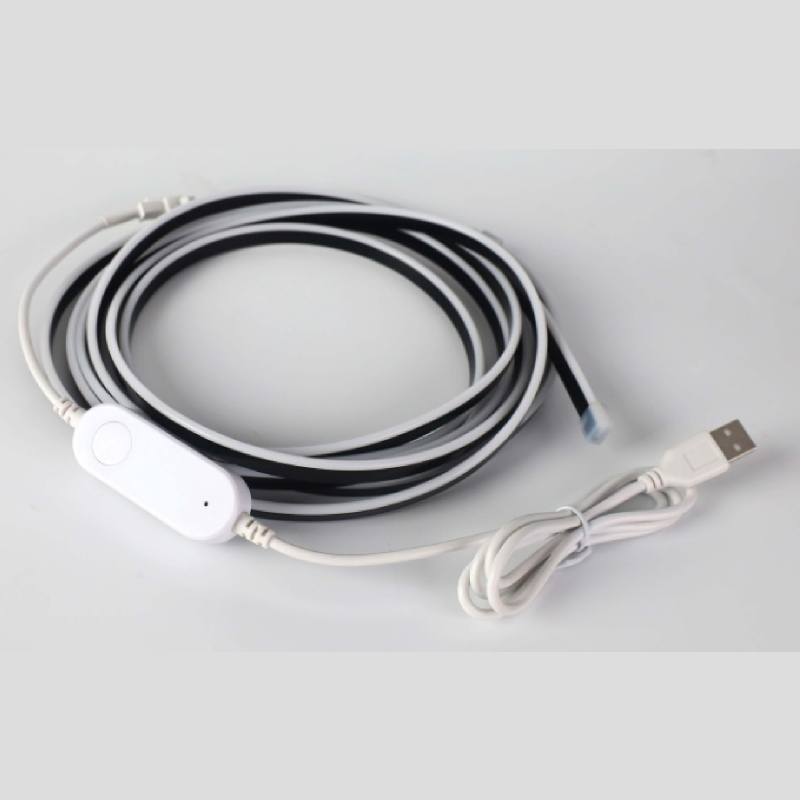
LED strips are low voltage and energy-efficient, but they're not risk-free. Electrical faults, overheating, and improper handling can cause fires, equipment damage, or personal injury. Here's what every installer needs to know to stay safe.
1. Electrical Safety Basics
Always disconnect power before cutting, soldering, or connecting strips. Even low-voltage DC can cause sparks or short circuits if wires touch.
Use correct polarity – red to positive (+), black to negative (−). Reversing polarity won't usually damage the strip, but it won't light up either – and it may damage the driver if sustained.
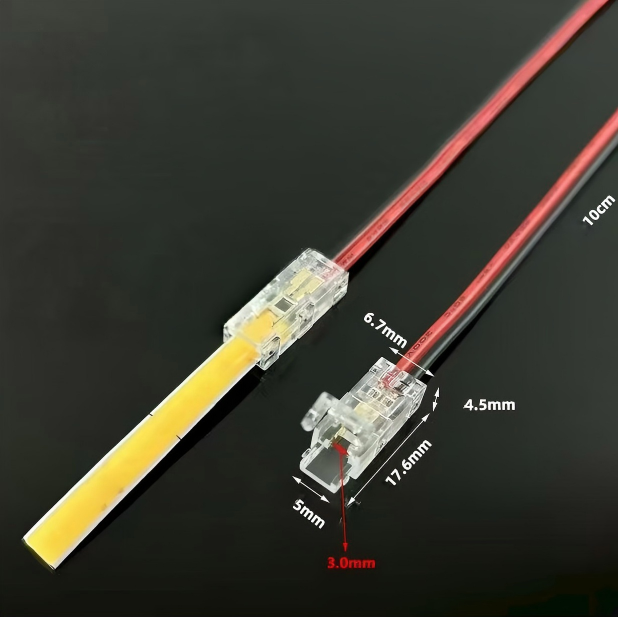
Insulate all connections – use heat-shrink tubing or electrical tape. Exposed copper can short against metal surfaces or cause shocks.
2. Fire Prevention
Never overload the power supply. Calculate total wattage (W/m × total metres) and add 20% margin. Overloaded drivers overheat and can catch fire.
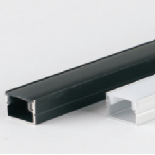
Use aluminium profiles for high-power strips. Strips above 10W/m generate significant heat. Without heat sinking, the adhesive can melt, and the LEDs can overheat.
Keep strips away from flammable materials. Curtains, upholstery, and paper products should never contact the strip or driver.
Choose certified drivers – UL, CE, or equivalent. Uncertified drivers may lack thermal protection or proper insulation.
3. Mechanical Safety
Secure strips properly. Adhesive tape alone may fail over time – especially in heat or on vertical surfaces. Use mounting clips or aluminium profiles for permanent installations.
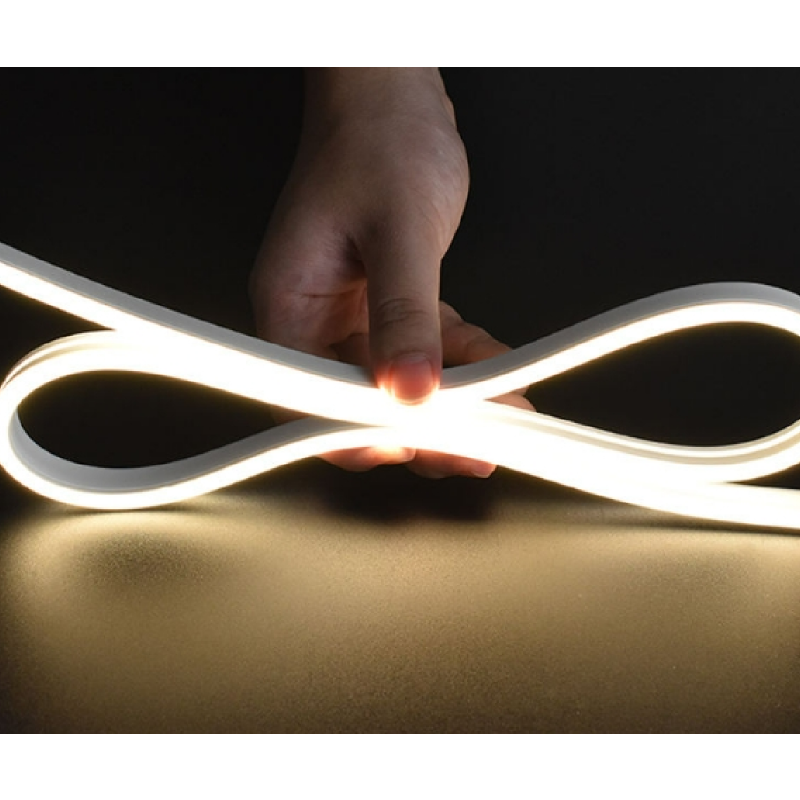
Avoid sharp bends. Bending a strip more than its minimum radius (usually 20–30mm for SMD, less for COB) can crack the PCB and cause shorts.
Protect strips from physical damage. In high-traffic areas, use profiles or covers to prevent impact damage.
4. Environmental Hazards
Water and electricity don't mix. For kitchens, bathrooms, or outdoor use, choose IP65 or higher. Ensure cut ends are sealed with silicone or end caps.
Avoid extreme temperatures. Most strips operate between -20°C and +50°C. Outside this range, adhesive fails, and LEDs degrade faster.
UV exposure – in direct sunlight, use UV-resistant silicone coatings to prevent yellowing and cracking.
5. Personal Protective Equipment (PPE)
Safety glasses – when cutting or soldering, debris or solder splash can injure eyes.
Insulated tools – screwdrivers and wire strippers with insulated handles prevent accidental shorts.
ESD protection – if handling many strips, wear an ESD wrist strap to avoid static damage to sensitive LEDs.
6. Emergency Preparedness
· Keep a fire extinguisher (Class C for electrical fires) nearby when working with live wiring.
· Know where the main circuit breaker is – to cut power instantly in an emergency.
· Have a first-aid kit accessible.
Final Thoughts
Safety is not optional – it's a professional obligation. By following these guidelines, you protect yourself, your clients, and your reputation. Need certified drivers or IP-rated strips? Browse our safety-tested range – every product meets international standards. Contact us for installation advice.
 Hot News
2026-07-24
2026-07-24
2026-07-24
2026-07-24
2026-07-24
2026-07-24
 EN
EN