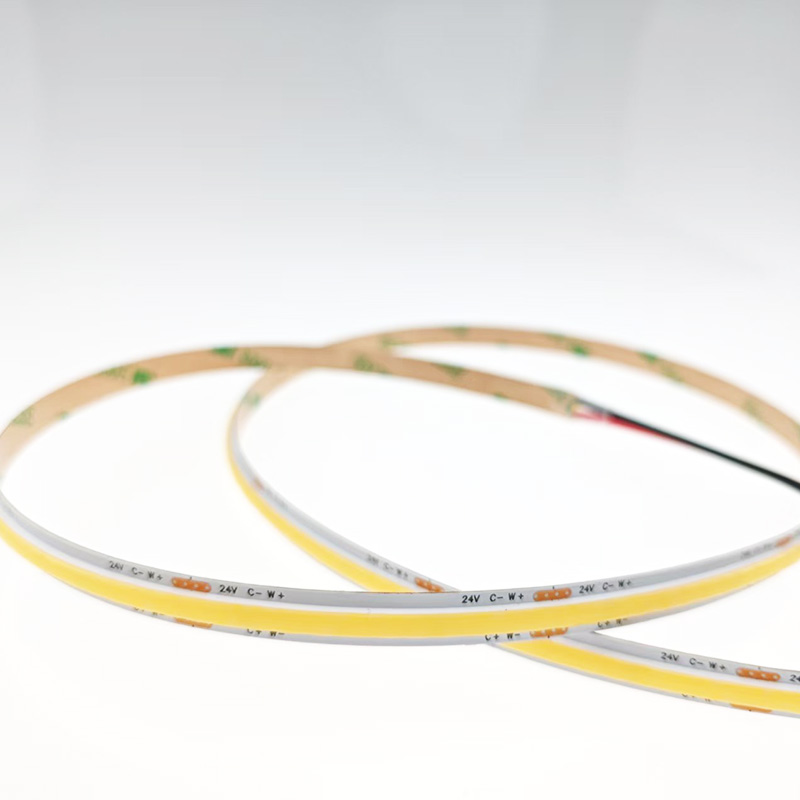
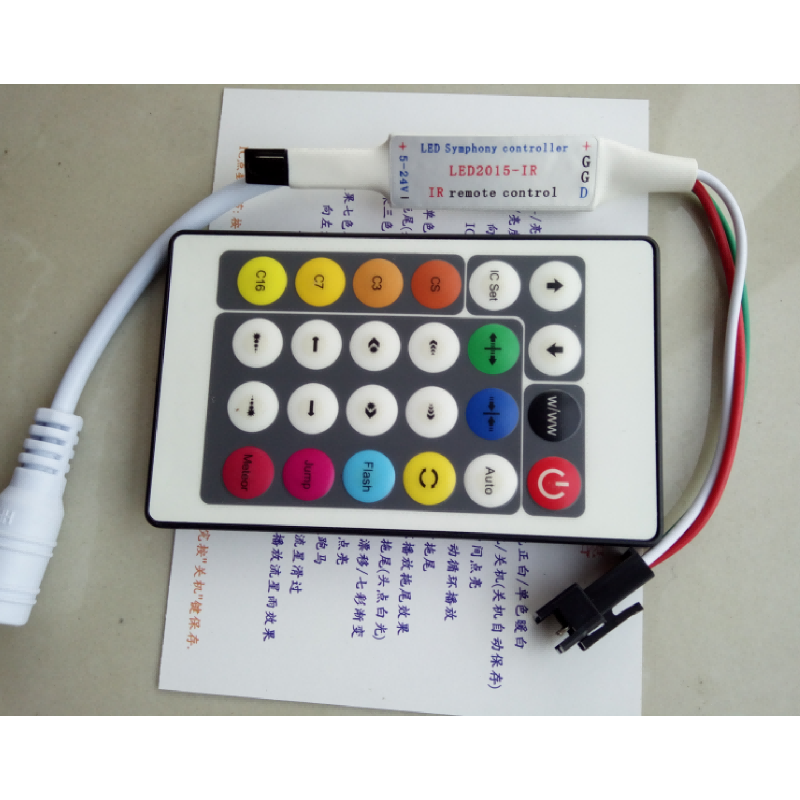
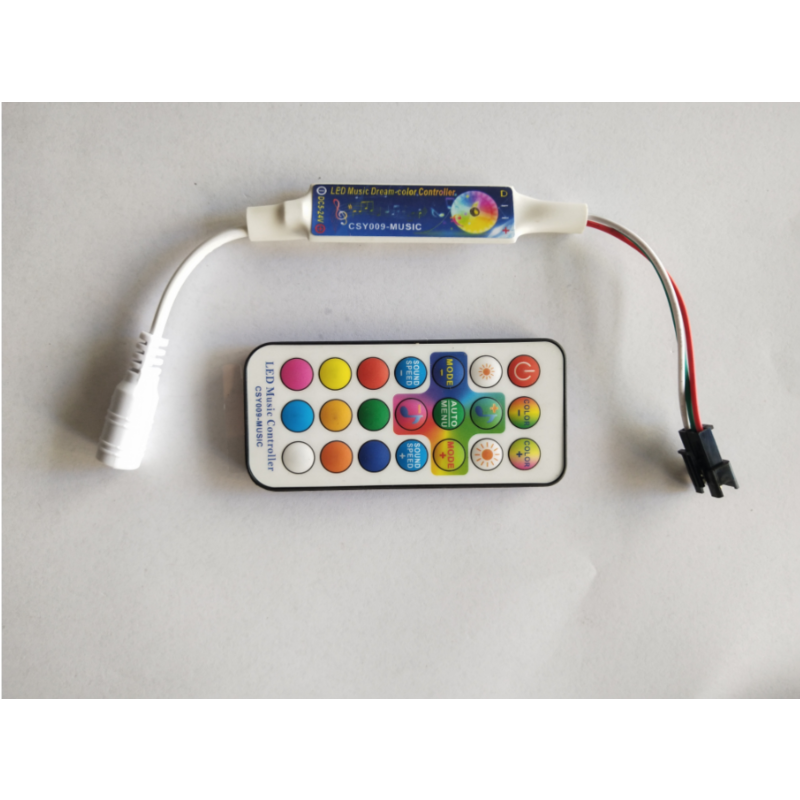
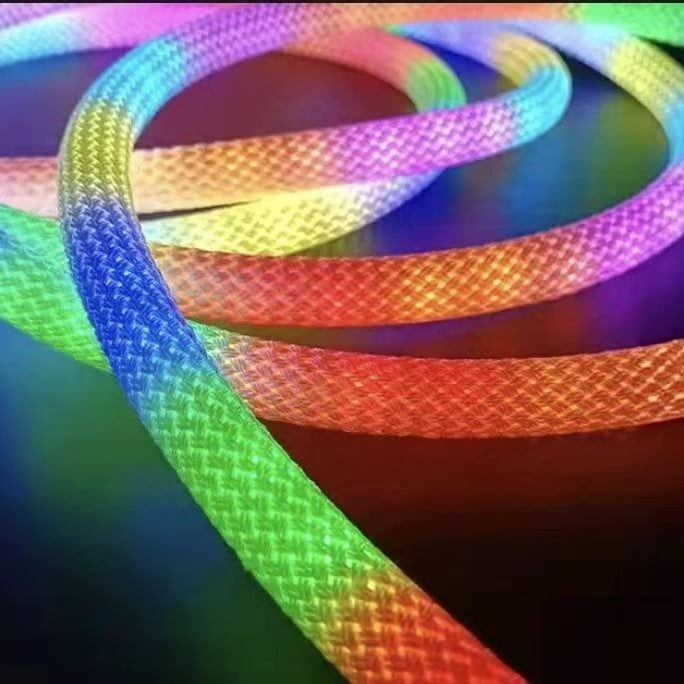
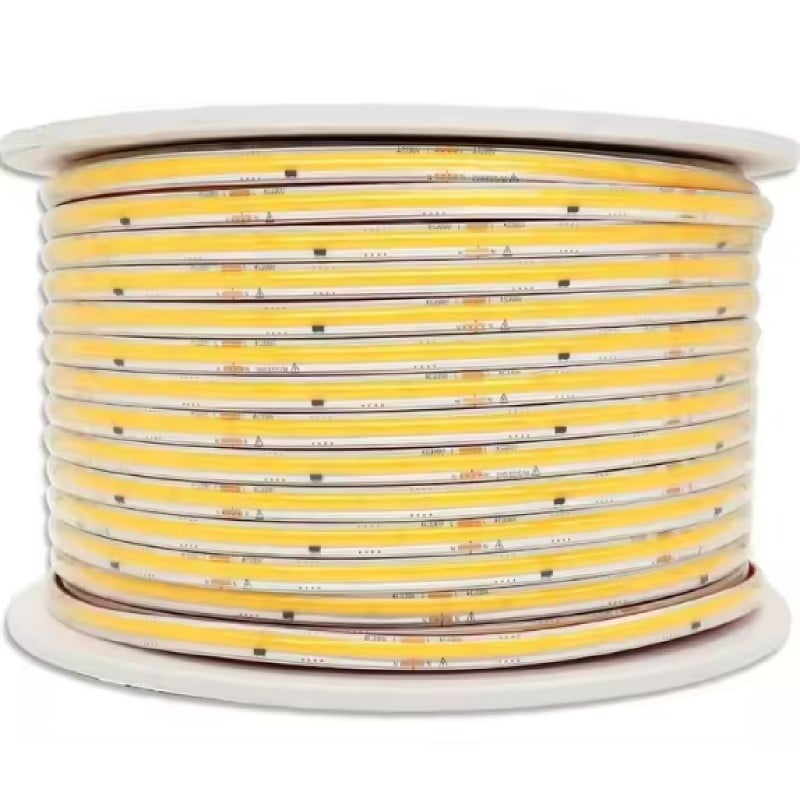
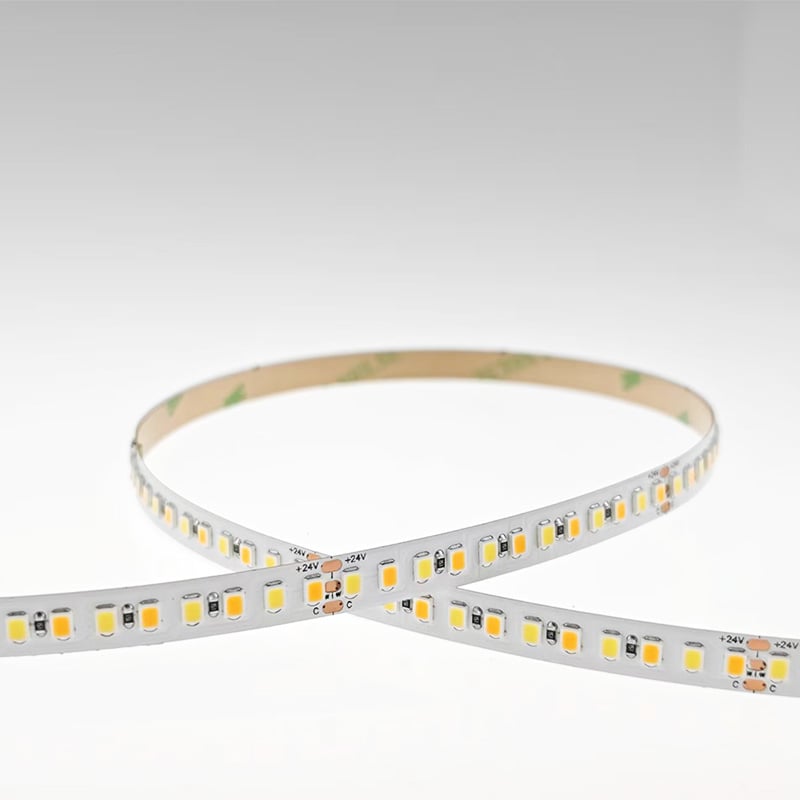
We test over 10,000 meters of LED strip lights every month. And we see the same returns again and again. Most customers don’t buy a bad product. Before you click "add to cart," read this supplier’s guide to voltage drop, CRI, and thermal management. Save money and avoid the 3 most common installation mistakes.
Here is the insider knowledge you actually need.
1. The 16-Foot Truth About Voltage Drop
Standard 12V strips lose noticeable brightness after 16 feet (5 meters). The far end will look 30-50% dimmer than the start. Your eyes will see it.Skip 12V for runs over 15 feet. Use 24V strips (dimmable only after 65ft) or switch to 48V for commercial projects. For homes, 24V gives you perfect brightness consistency for 99% of installations.
2. Your Eye Knows What Specs Hide
Two strips say "3000K Warm White." But side by side, one looks cheap and greenish. The other looks cozy and expensive.
The difference is CRI (Color Rendering Index) .
· CRI <80: Makes skin look sick. Makes food unappetizing. (Common in cheap online deals)
· CRI 90+: Makes reds rich, wood warm, plants vibrant.
· CRI 95+: Museum grade. Skincare mirrors and art galleries.
3. The Silent Lifespan Killer (Heat)
Every LED strip has a rated life of 50,000 hours. Almost none reach it.
Why? Heat stacking.
When you stick a high-density strip (120 LEDs/meter) directly onto wood or drywall, the heat has nowhere to go. Inside that adhesive backing, temperatures can hit 70°C (158°F). At that heat, your strip ages 10x faster.
The fix is cheap: Use aluminum channels. They are not just for clean looks. They are heatsinks. A $2 channel extends your strip's real life from 2 years to 10+ years.
The Supplier’s Honest Checklist
Before you buy, ask these three questions:
1. "For a 30-foot run, what voltage do I actually need?" (Answer should be 24V)
2. "Can I see the CRI report for this batch?" (Answer should be 90+ for living spaces)
3. "Does my quote include aluminum channels?" (If they say no, ask why)
Final Thought
The cheapest strip is never the cheapest install. Replacing dim, color-bad, or dead lights inside a built-in cabinet or crown molding costs you time, frustration, and twice the product price.
Buy the technical specification you actually need. Not the marketing promise you hope for.
 Hot News
2026-07-24
2026-07-24
2026-07-24
2026-07-24
2026-07-24
2026-07-24
 EN
EN