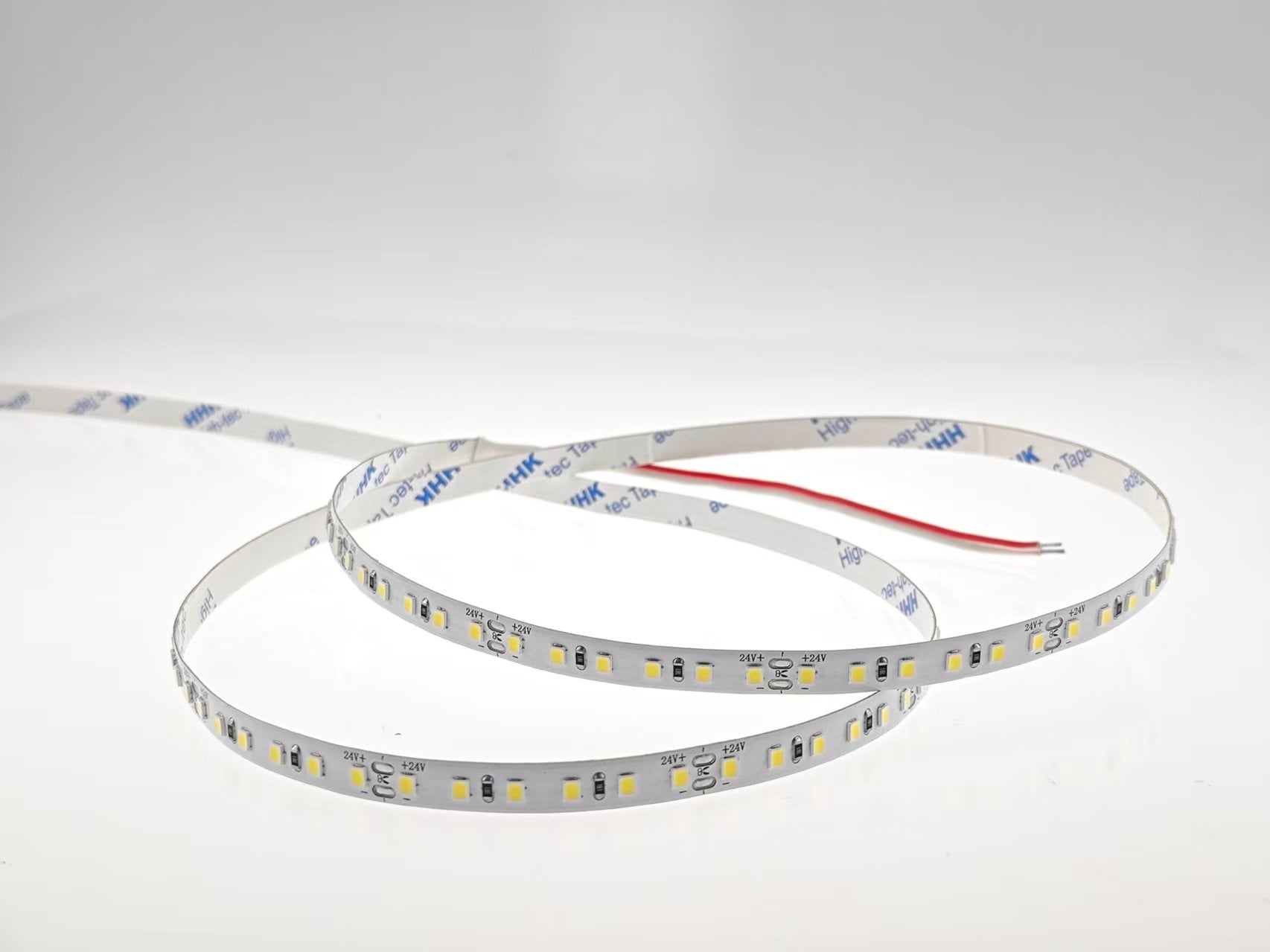
Lighting is no longer just for visibility. In 2026, it has evolved into the silent architect of our modern environment, shaping productivity in offices, emotions in homes, and brand experiences in retail spaces. As a global LED strip lights supplier, I have witnessed how buyers shift from traditional bulbs to transformative LED strip lights, purchasing not just a product but a flexible and creative lighting ecosystem. Here is a breakdown of how to leverage LED strip lights across three dimensions this year.
1. Residential: The Era of "Invisible Ambiance"
For homeowners, the latest trend is concealed architectural integration. Move beyond basic under-cabinet kitchen lighting. In 2026, top designers are embedding LED strips into ceiling coves, stair edges, TV backlights, and floating shelves to create a "no-source, just-glow" effect.
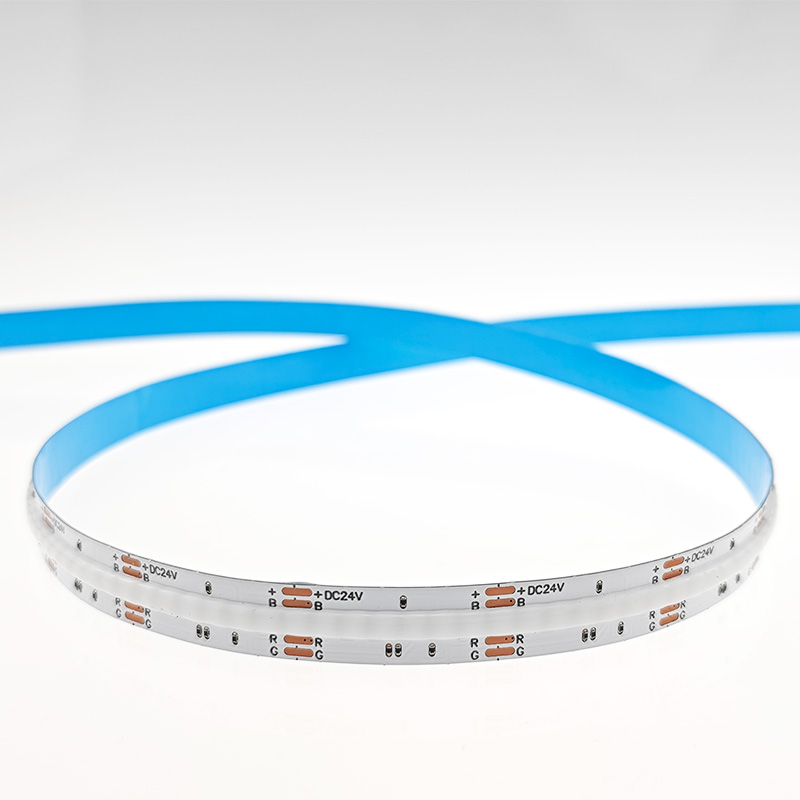
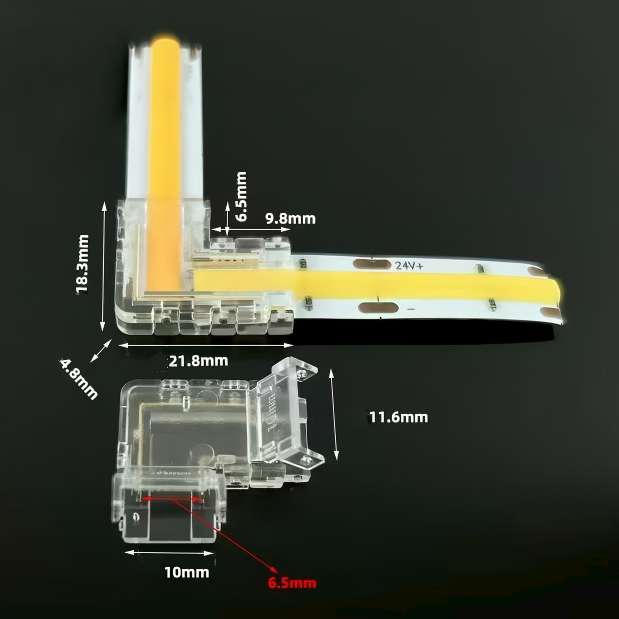
Pro Tip: Use COB (Chip-on-Board) strips for linear lighting without visible light dots to mimic luxury hotels while retaining DIY peel-and-stick convenience.
2. Commercial & Retail: The Experience Driver
Business owners often ask how to reduce operating costs while attracting customers. LED strips provide the answer: they consume 50%-70% less energy than traditional fixtures and last over 50,000 hours.
Strategically, install RGBW (Red-Green-Blue-White) strips beneath display shelves to spotlight products dramatically, or embed them in reception ceiling niches to create a welcoming brand identity. Over 58% of commercial lighting upgrades now include LED strips, signaling that passive lighting is obsolete.
3. Outdoor & Landscape: "Glow Lines" Redefine Night Aesthetics
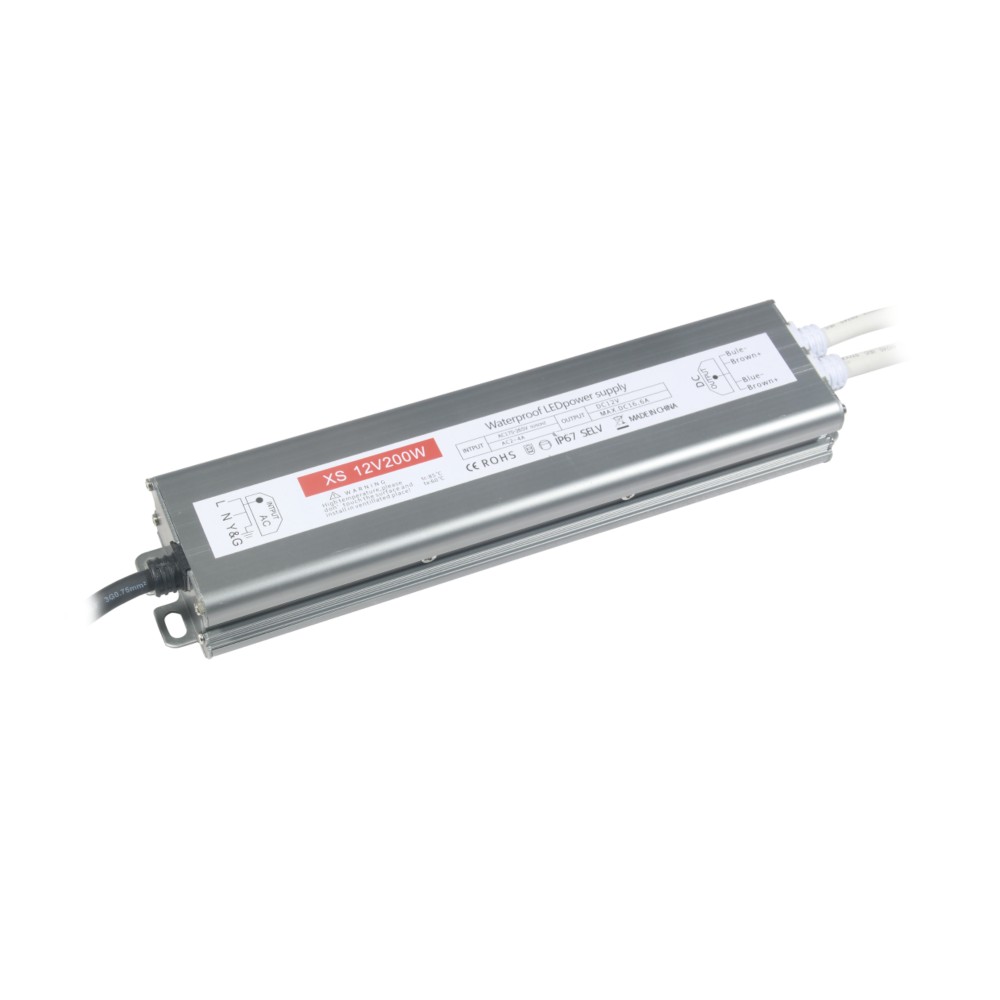
Outdoor lighting is shifting from bulky fixtures to minimalist hardscape integration. The buzzword for 2026 is "glow lines": embed IP65/IP67 waterproof LED strips directly into concrete steps, retaining walls, or driveway edges.
These weather-resistant lights define pathways and garden borders while using advanced AI-driven controls to sync with sunset times.
The Final Takeaway
Lighting is now a holistic business tool for architects, designers, and contractors. Whether you need motion-activated hallway strips or smart strips that adapt to content on a screen, the goal is to upgrade from providing light to curating a human-centric light environment. Choose high-efficacy, IoT-ready components to future-proof your projects while minimizing energy costs and maximizing visual impact.
 Hot News
2026-07-24
2026-07-24
2026-07-24
2026-07-24
2026-07-24
2026-07-24
 EN
EN