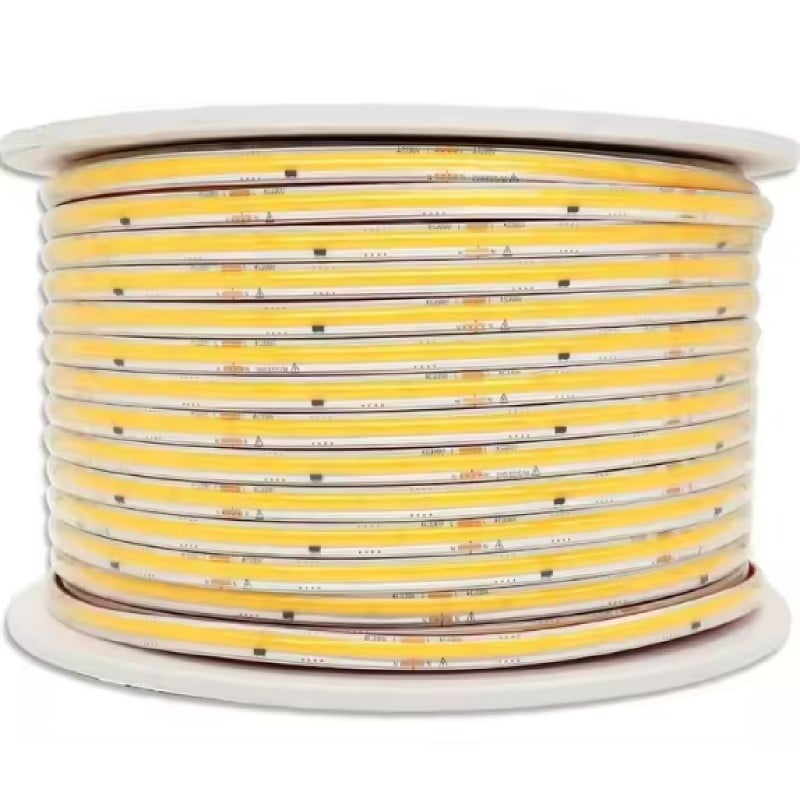
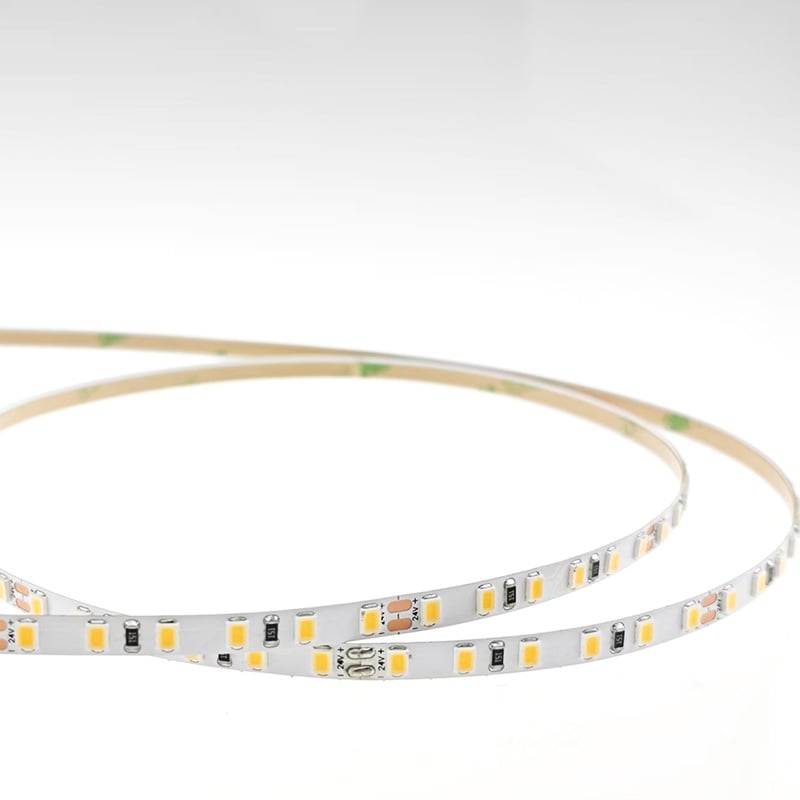
LED strip lights have evolved far beyond DIY bedroom accents. Today, they are precision-engineered lighting tools shaping the way commercial spaces are designed, built, and experienced. Recent industry data shows that over 65% of new architectural lighting projects now use LED strip technology, driven by demand for energy efficiency, design flexibility, and smart lighting integration. The global LED smart strip lights market is projected to grow from $5.12 billion in 2025 to $12.34 billion by 2032. This guide explores five key commercial engineering applications where LED strips deliver measurable results — backed by real-world case studies.
1. Hospitality: Hotels and Spas
Hotels use LED strips to create atmosphere, guide guests, and reinforce brand identity — all while reducing energy costs.
Engineering considerations for hotels:
· Humidity resistance — IP65-rated strips for coastal and spa environments
· Selectable CCT — Warm 2700K for guest rooms; cooler temperatures for public areas
· Dimmable drivers — Enables mood adjustment throughout the day
2. Retail: Product Presentation That Drives Sales
In retail, lighting directly impacts purchasing decisions. LED strips deliver the color accuracy and flexibility that premium brands demand.
Engineering considerations for retail:
· CRI ≥ 95 for accurate product colors — standard 80-CRI makes gold look brassy and diamonds flat
· Shelf integration — Strips built into shelving create uniform, shadow-free illumination
· Long runs — High-voltage (110V/220V) strips reduce power connections across large retail spaces
3. Office Workspaces: Productivity Through Light
Modern offices demand lighting that meets workplace standards while enhancing employee well-being.
Engineering considerations for offices:
· DALI control — Enables scene management and adjustment via mobile devices
· Anti-glare configurations — Soft, uniform ambient lighting reduces eye strain
· Luminous efficacy ≥ 120 lm/W — Balances quality with energy efficiency
4. Architectural and Public Spaces
Large-scale civic projects use LED strips to define spaces, guide pedestrians, and create visual identity after dark.
Engineering considerations for public spaces:
· Long runs without voltage drop — 4oz copper PCBs extend run lengths
· DALI or DMX control — Enables complex scene programming
· IP ratings — Outdoor and exposed areas require IP65 or higher
5. Specialized Commercial Applications
Commercial Vehicles
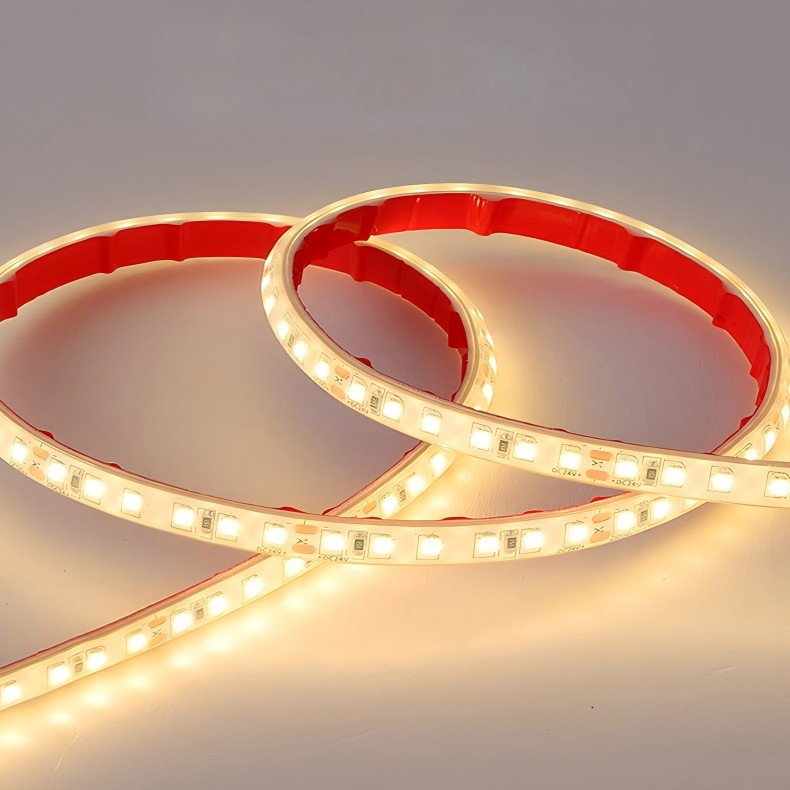
Labcraft's Orizon FLEX — engineered for automotive use with built-in constant-current regulation, reverse polarity protection, and transient voltage suppression — delivers 500 lm/m from just 5W/m with IP69K protection against high-pressure jet washes.
6.Restaurants and Bars
High-voltage LED strips under counters and behind bar shelves create ambiance, with IP65/IP67-rated options for humid kitchen environments.
Industry Trend: The Next Generation
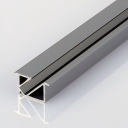
Leading manufacturers are pushing performance further. Luminii's Gen 2 platform delivers 97+ CRI and 95+ R9, with efficacy reaching 160+ lm/W and cut increments as short as 16.8 mm. All strips are now standardized to a 10mm form factor for compatibility with compact extrusions.
Final Thoughts
LED strip lights are no longer an afterthought in commercial engineering — they are a primary design tool. Whether illuminating a hotel lobby, showcasing luxury fashion, or guiding commuters through a transit hub, the right strip solution delivers energy efficiency, design flexibility, and superior light quality.
 Hot News
2026-07-24
2026-07-24
2026-07-24
2026-07-24
2026-07-24
2026-07-24
 EN
EN