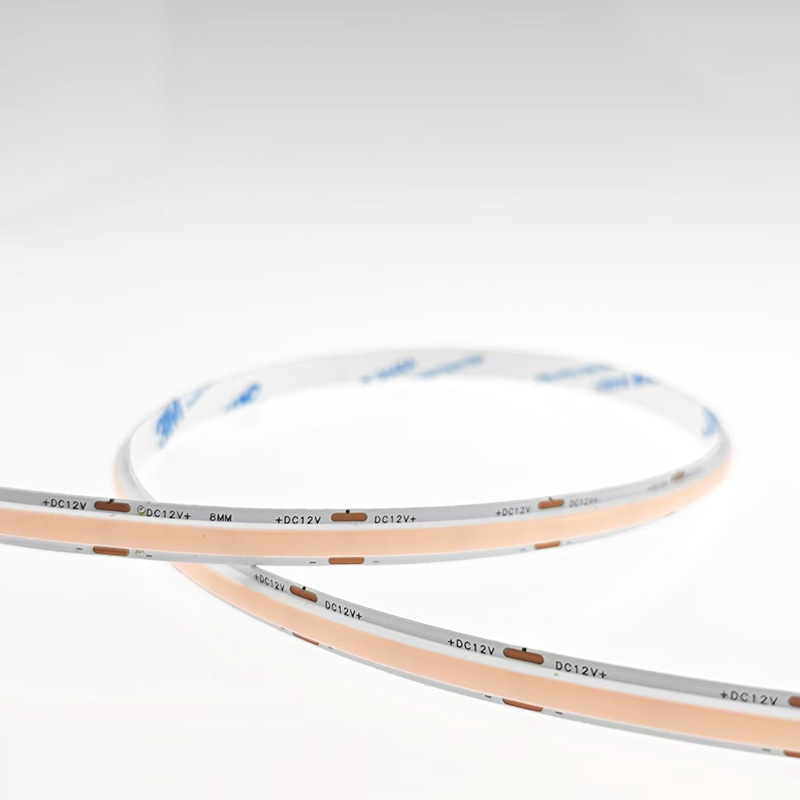
Imagine walking into a room and the lights turn on automatically. As you leave, they switch off behind you. No switches to fumble for, no lights left on all day. This isn't futuristic—it's simply LED strips combined with sensors.
Pairing LED strips with motion, light, or sound sensors creates intelligent lighting that responds to presence, environment, and activity. Here's how to use sensors to make your lighting smarter, safer, and more energy-efficient.
1. Motion Sensors: Lighting on Demand
Motion sensors (also called PIR sensors) detect movement and trigger your LED strips automatically. They're perfect for:
· Hallways and corridors – Lights guide you through the house at night without fumbling for switches
· Staircases – Each step lights up as you approach, improving safety
· Walk-in wardrobes – Illuminates the moment you open the door
· Pantries and utility rooms – Light turns on when you enter, off when you leave
· Outdoor pathways – Security lighting that activates with movement
Installation tip: Place the sensor where it can see movement without being obstructed by furniture. Most sensors have a 5–8 metre range and 120° detection angle.
2. Light (Photocell) Sensors: Day/Night Response
Photocell sensors detect ambient light levels. They're ideal for:
· Outdoor lighting – Strips automatically turn on at dusk and off at dawn
· Cabinets or display cases – Activate only in low light to save energy
· Nightlight applications – Provide soft illumination only when it's actually dark
Pro tip: Combine motion and photocell sensors for the ultimate automation—lighting that turns on only at night and only when someone is present.
3. Sound (Acoustic) Sensors: Beat-Responsive Lighting
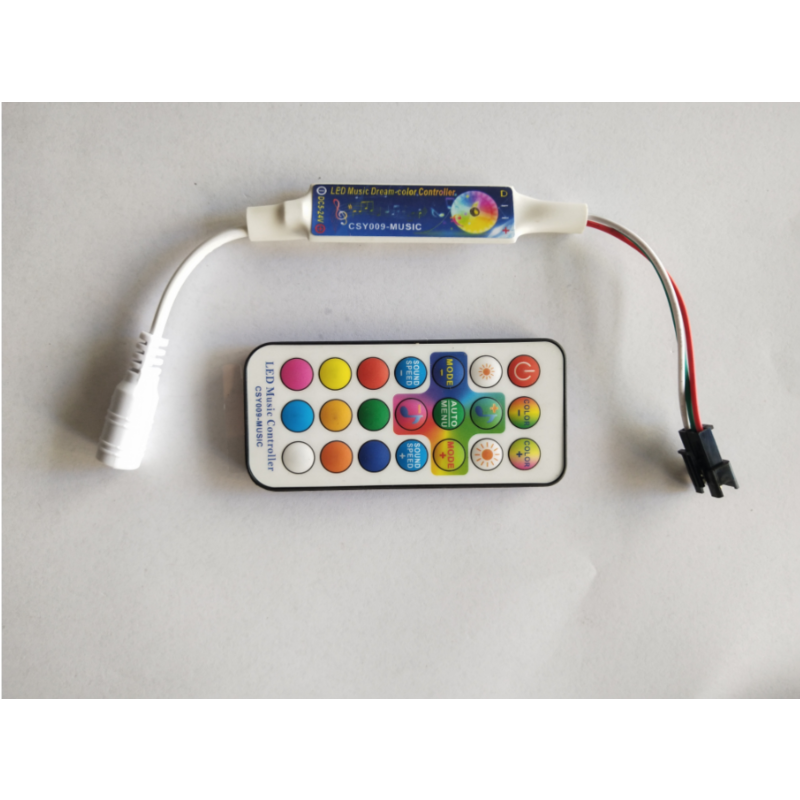
Sound sensors (or microphone modules) make LED strips react to music, claps, or noise. They're popular for:
· Entertainment rooms – Lights pulse and dance with the beat of your music
· Kids' bedrooms – Fun, interactive lighting that responds to clapping or singing
· Event or party lighting – Creates a dynamic, immersive atmosphere
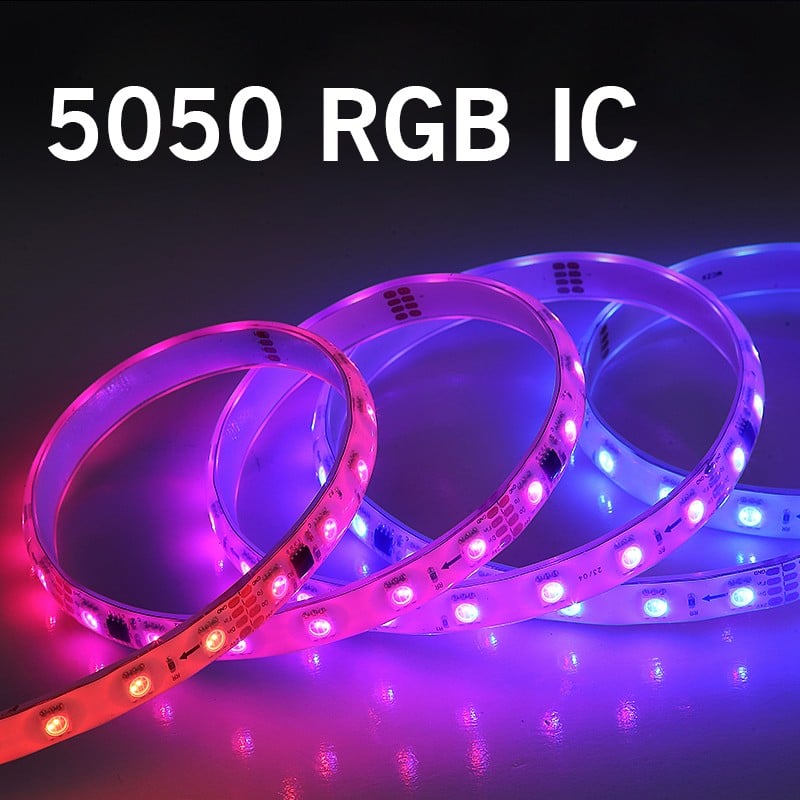
Pro tip: Use RGB strips with sound sensors for spectacular colour‑changing effects—they're affordable and add instant wow‑factor.
4. Combined Sensors: Maximum Efficiency
The most sophisticated setups combine multiple sensor types:
· Motion + light – Lights only activate after dark and when movement is detected
· Motion + time – Lights adjust brightness based on the hour (dimmer at night)
· Motion + smart hub – Send notifications or trigger other smart devices (e.g., turn on the hallway lights when the front door opens)
Practical Applications
Application Sensor Type Effect
Kitchen under‑cabinet Motion Lights on when you approach, off when you leave
Bathroom mirror Motion or touchless Gentle light for late‑night visits
Closet / wardrobe Door‑mounted magnetic switch Lights on when door opens
Exterior garden path Motion + photocell On at night, off at dawn
TV backlighting Sound + RGB Lights dance to movie soundtracks
Nursery Motion (low sensitivity) Subtle nightlight when baby stirs
Installation Considerations
· Sensor placement – Position sensors to cover the intended area without false triggers (e.g., avoid facing windows or heat sources).
· Wiring – Most sensors connect between the power supply and the strip, matching the same voltage (12V or 24V).
· Sensitivity and delay – Adjustable settings allow you to set how long the lights stay on after movement ceases (usually 5 seconds to 30 minutes).
· Compatibility – Ensure your sensor supports the strip's voltage and maximum current.
Energy and Cost Savings
Automatic lighting reduces waste. Motion‑sensor lights in seldom‑used areas can cut energy consumption by 60–80%. Over a year, that's significant—especially for commercial spaces or homes with large footprints.
Final Thoughts
Sensors transform LED strips from static lighting into responsive, intelligent systems. They add convenience, safety, and energy savings while making your space feel modern and thoughtful.
Whether you want a simple nightlight that turns on when you pass or a full music‑reactive party setup, sensors open up a world of possibilities.
We offer a range of compatible sensors—PIR, photocell, and sound modules—designed to work seamlessly with our LED strips. Need help selecting the right sensor for your project? Contact our team for expert advice.
 Hot News
2026-07-24
2026-07-24
2026-07-24
2026-07-24
2026-07-24
2026-07-24
 EN
EN