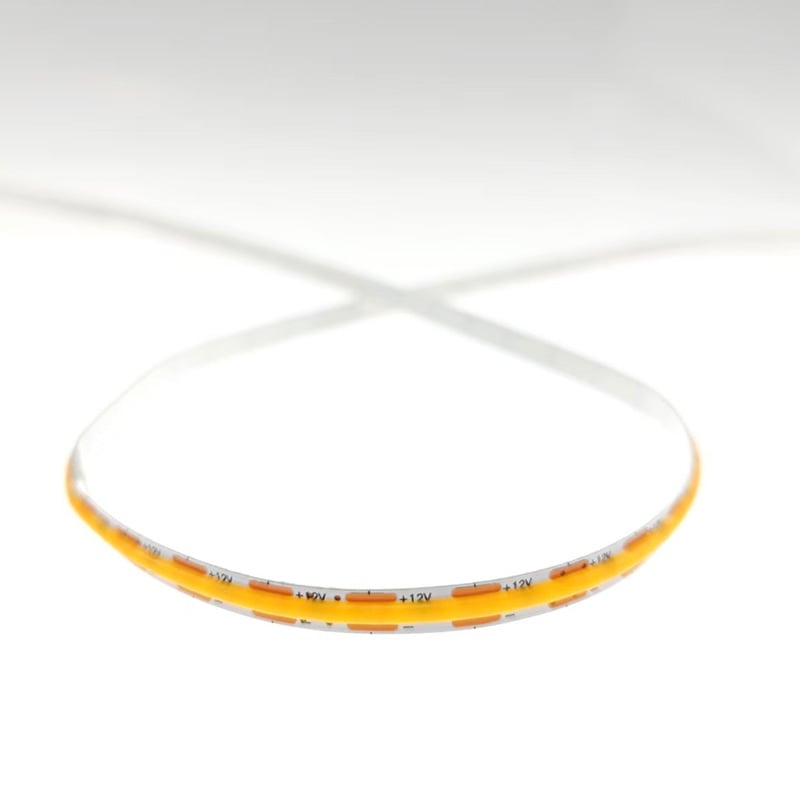
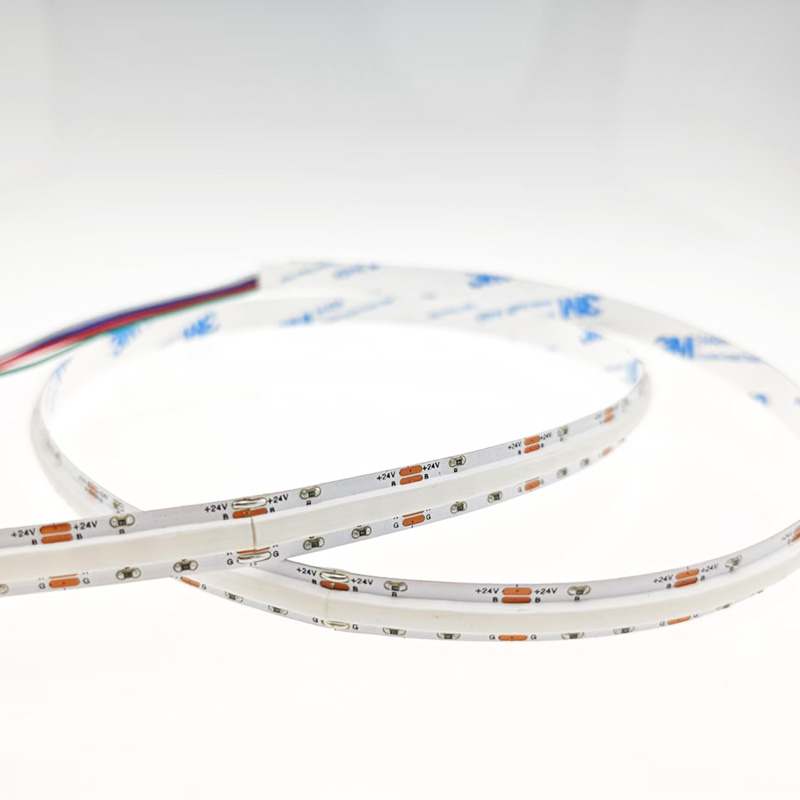
LED strips are increasingly popular in vehicles and recreational vehicles – for ambient lighting, task illumination, and exterior accents. Their low voltage, flexibility, and durability make them ideal for mobile environments.
Why LED Strips Work for Vehicles
· 12V compatibility – matches standard automotive electrical systems
· Low power draw – preserves battery life for starting and auxiliary systems
· Vibration resistance – solid-state construction withstands road conditions
· Compact size – fits in tight spaces like footwells, dashboards, and door panels
· Temperature range – operates in typical vehicle interior conditions (-20°C to +50°C)
Common Applications
Interior:
· Footwell lighting – soft glow for passenger comfort and convenience
· Dashboard accents – customisable colour strips for a premium feel
· Door edge illumination – improves visibility when entering/exiting
· Cargo area – bright task lighting for loading and unloading
· Overhead ambient – replaces factory dome lights with brighter, warmer illumination
· Speaker rings – dynamic lighting that reacts to music
Exterior:
· Underglow – accent lighting along chassis or rocker panels
· Puddle lights – illuminate the ground when doors open
· Grille and bumper accents – custom appearance enhancements
· Licence plate illumination – bright, even lighting for visibility
· Trailer or RV awning – exterior ambient lighting for camping
Choosing the Right Strip
· Voltage: 12V DC standard (check vehicle system – some are 24V for trucks/RVs)
· Waterproofing: IP65+ for exterior or door applications
· Adhesive: high-temperature 3M tape rated for vehicle interiors
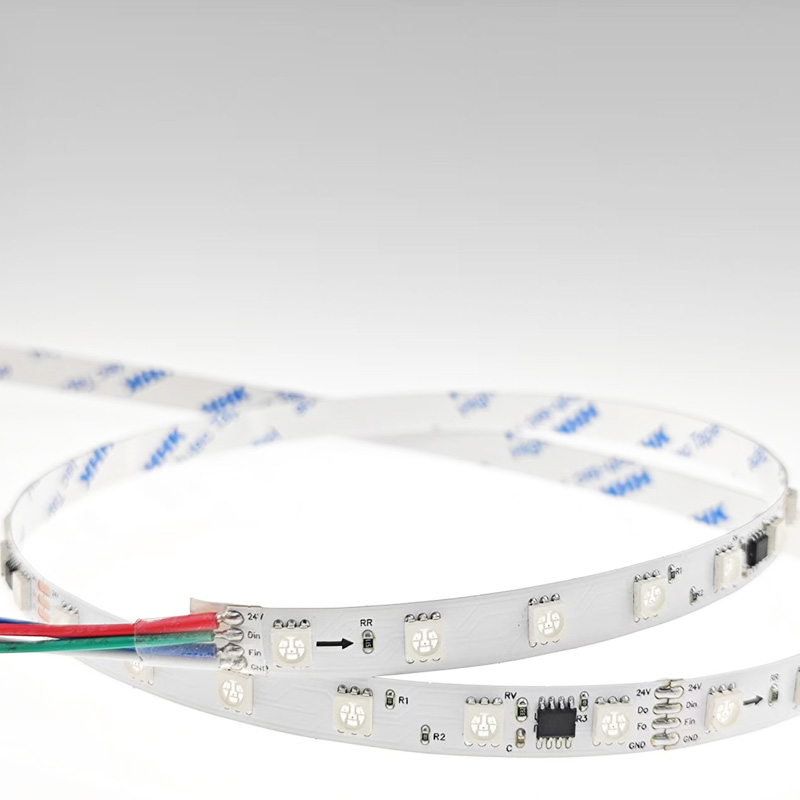
· Flexibility: COB or thin SMD for tight bends and curved surfaces
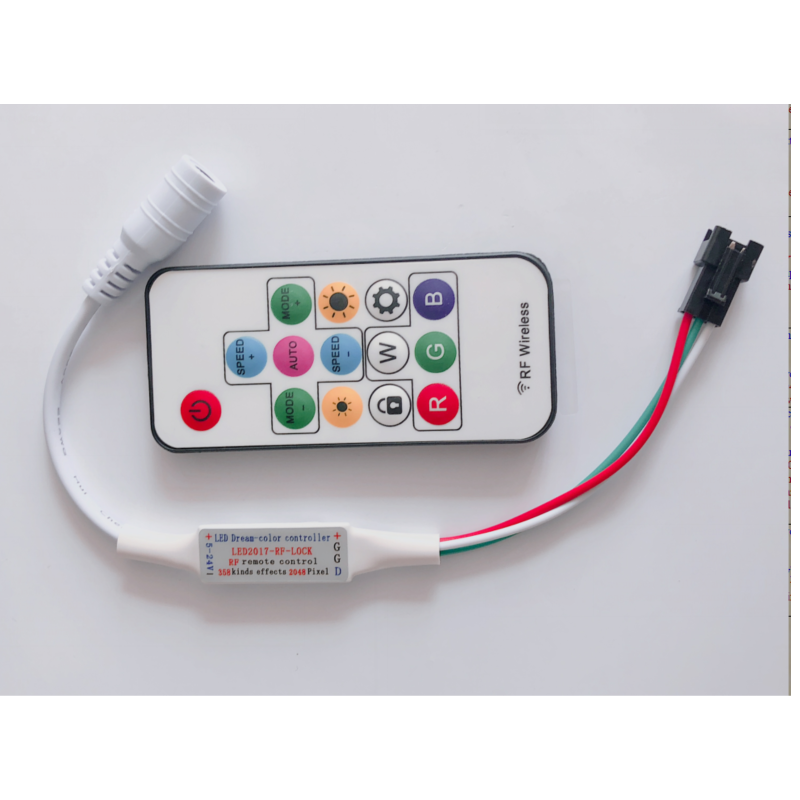
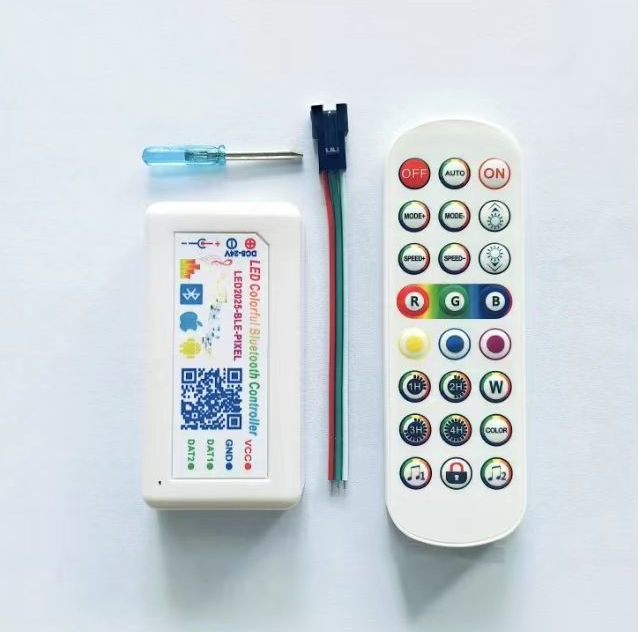
· Controls: wireless remote, smartphone app, or vehicle-integrated switches
Installation Tips
· Use fuse protection – always fuse the positive wire close to the battery connection
· Secure wiring – use cable ties and adhesive clips to prevent loose wires
· Avoid moving parts – keep strips clear of pedals, steering, and seat mechanisms
· Surface preparation – clean with isopropyl alcohol before applying adhesive
· For exterior use, apply additional silicone sealant around cut ends and connectors
Safety Considerations
· Use low-voltage strips (12V) – safe for DIY installation
· Ensure strips do not obstruct driver vision or controls
· For exterior lights, check local regulations on underglow or auxiliary lighting
· Disconnect power when working on the vehicle's electrical system
· Use heat-shrink or tape over all solder joints – vibration can loosen connectors
Power and Wiring
· Connect to the vehicle's interior lighting circuit for automatic on/off with doors
· For always-on ambient lighting, connect to a switched ignition source or accessory fuse
· Use a relay if the total current exceeds the vehicle's lighting circuit capacity
· For RVs with house batteries, use a dedicated fuse and switch for lighting control
Final Thoughts
LED strips offer affordable, customisable lighting for any vehicle or RV project. With careful installation and the right components, you can enhance safety, comfort, and style on the road.
Explore our 12V automotive-rated LED strips – including waterproof options and wireless controllers. Contact us for vehicle-specific advice and custom kits.
 Hot News
2026-07-24
2026-07-24
2026-07-24
2026-07-24
2026-07-24
2026-07-24
 EN
EN