LED strip lights have become a go-to solution for residential and commercial lighting, offering flexibility, energy efficiency, and endless design possibilities. However, not all LED strip lights are created equal. Choosing the wrong product can lead to insufficient brightness, harsh glare, or even safety issues.
Whether you're a homeowner planning a renovation or a contractor managing multiple projects, here are the 6 essential factors to consider before making your purchase.
1. LED Type: SMD vs. COB
The first thing to consider is the type of LED used.
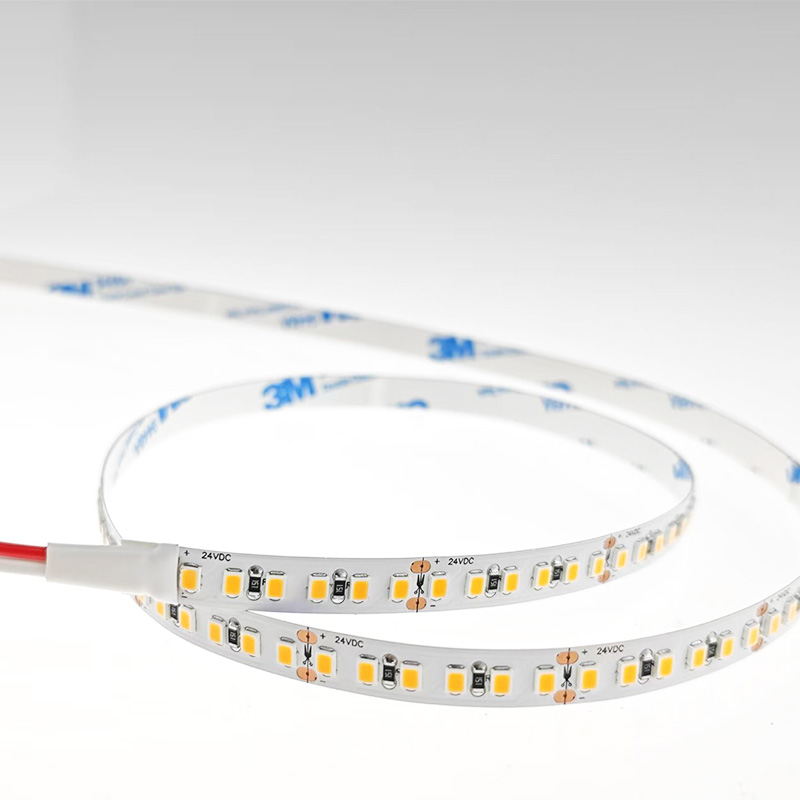
· SMD (Surface Mount Device): These are smaller, more energy-efficient, and widely available. However, they can produce visible "dot" effects and glare.
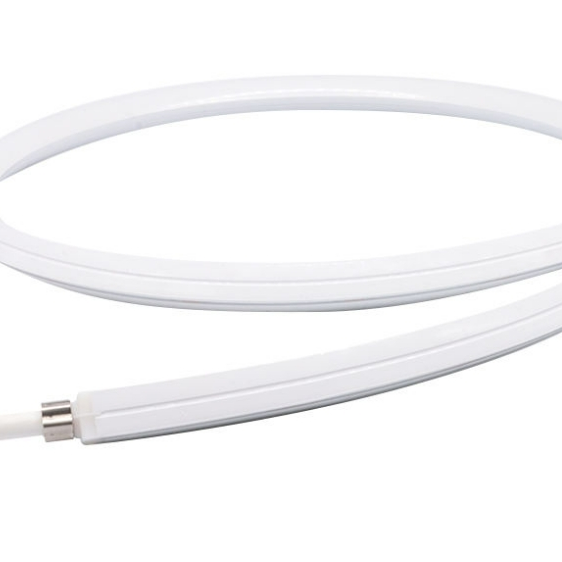
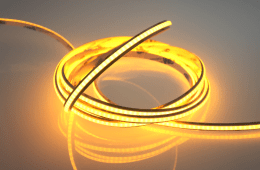
· COB (Chip on Board): LED chips are printed directly on the circuit board, creating a dotless, uniform, and glare-free light. COB strips are more flexible and can withstand significant deformation. For the smoothest effect, choose COB strips with at least 120 LEDs per meter.
Verdict: For applications where the strip is visible (e.g., under cabinets or backlit mirrors), COB is the superior choice for a professional, clean look.
2. Color Temperature (Kelvin)
Color temperature determines the "mood" of your light, measured in Kelvin (K).
· Warm White (2700K–3000K): Creates a cozy, relaxing atmosphere—ideal for bedrooms and living rooms.
· Neutral White (4000K): The most versatile option, balancing brightness and warmth. Perfect for kitchens, bathrooms, and general home use.
· Cool White (5000K–6500K): Delivers a crisp, energetic light—best for task lighting, workspaces, and retail displays.
If you want ultimate flexibility, consider tunable white or RGBW strips that allow you to adjust color temperature on demand.
3. Color Rendering Index (CRI)
CRI measures how accurately a light source reproduces colors compared to natural sunlight.
· CRI 80+: Suitable for most general applications.
· CRI 90+ (High CRI): Essential for spaces where color accuracy matters—photography studios, art galleries, high-end retail, and makeup areas.
· CRI 95+: The gold standard for premium residential and commercial projects.
Pro Tip: For kitchen under-cabinet lighting or backlit mirrors, always choose CRI 90+ to ensure food and skin tones look natural and vibrant.
4. Brightness (Lumens)
Brightness is measured in lumens per meter (or per foot). The right brightness depends on your application:
· Task Lighting (kitchen counters, workbenches): Requires 10–15W/meter or higher output for clear visibility.
· Accent Lighting (cove lighting, display cases): Lower output is sufficient to highlight architectural details.
· Ambient Lighting (bedrooms, living rooms): Soft, moderate brightness creates a relaxing environment.
Always check the lumens per meter specification to ensure you're getting the right light output for your space.
5. Voltage and Power Supply
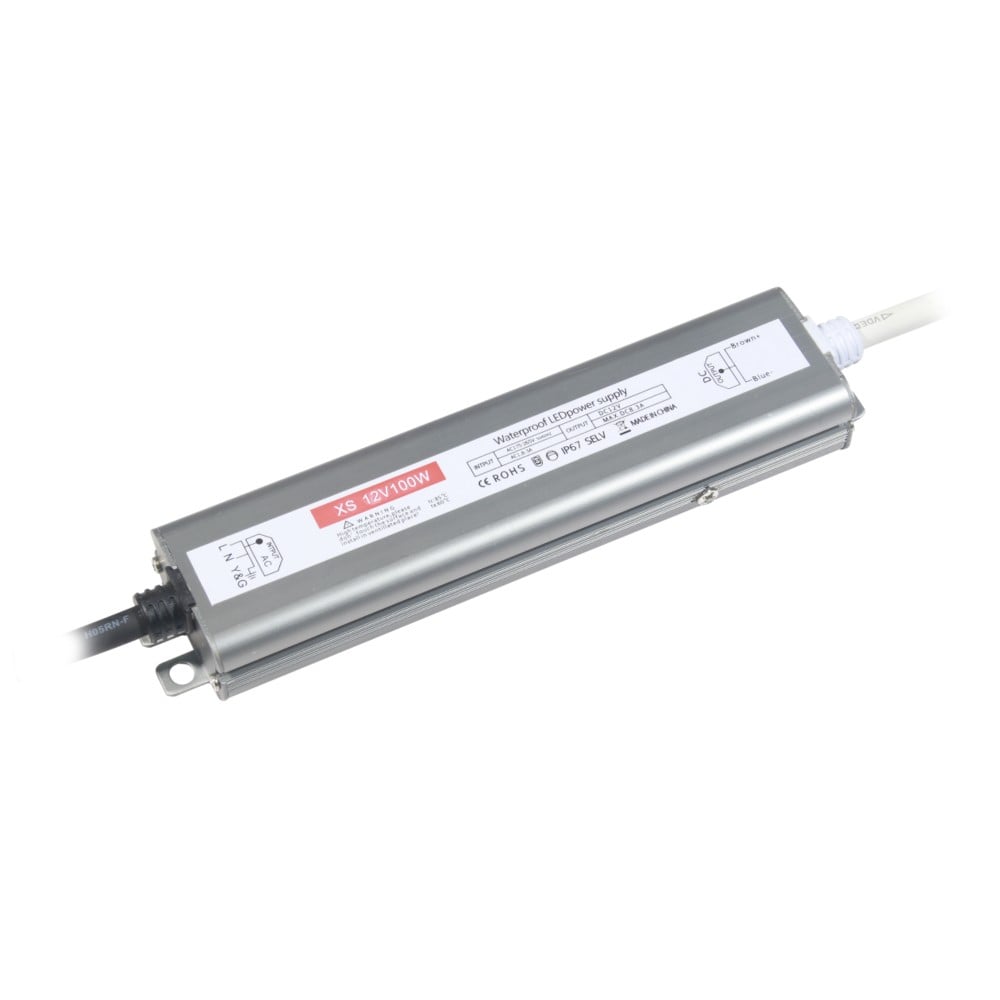
LED strips typically operate on 12V or 24V and require a matching power supply.
· 12V vs. 24V: 24V systems are generally recommended for longer runs as they experience less voltage drop (dimming at the end of the strip).
· Sizing: Your power supply must provide enough wattage for the total length of your strip. A standard 60 LED/meter strip runs 4–10W/meter, while high-density 120 LED/meter strips run 10–20W/meter.
· Safety: For home use, always choose low-voltage (12V/24V) strips with a matching power supply. Never connect LED strips directly to 220V household circuits—this is a fire hazard.
Critical Mistake: Using the incorrect voltage or an underpowered supply is one of the most common installation errors.
6. Waterproof Rating (IP Rating)
If you're installing lights in bathrooms, kitchens, or outdoor areas, waterproofing is non-negotiable.
· IP20: No protection—indoor use only, dry environments.
· IP65: Splash-proof—suitable for kitchens and bathrooms.
· IP67/IP68: Fully waterproof—ideal for outdoor use, gardens, and wet locations.
Final Thoughts
Choosing the right LED strip light isn't just about picking the cheapest option. It's about matching the right specifications to your specific application—whether that's task, accent, or ambient lighting.
By considering LED type, color temperature, CRI, brightness, voltage, and waterproofing, you'll avoid common pitfalls and achieve a professional, high-performing result every time.
Need help finding the perfect LED strip for your project? Contact our team—we're here to guide you every step of the way.
 Hot News
2026-07-24
2026-07-24
2026-07-24
2026-07-24
2026-07-24
2026-07-24
 EN
EN