When budgeting for an LED strip installation, most buyers focus on the initial purchase price – the cost of the strip, power supply, and perhaps a controller. But this "sticker price" approach ignores the full financial picture. The Total Cost of Ownership (TCO) includes purchase price, installation, energy consumption, maintenance, and eventual replacement. Understanding TCO helps you make smarter purchasing decisions and justify higher-quality products. Here's how to calculate the true cost of your LED strip project.
Part 1: The TCO Components
A. Purchase Cost
· LED strip(s)
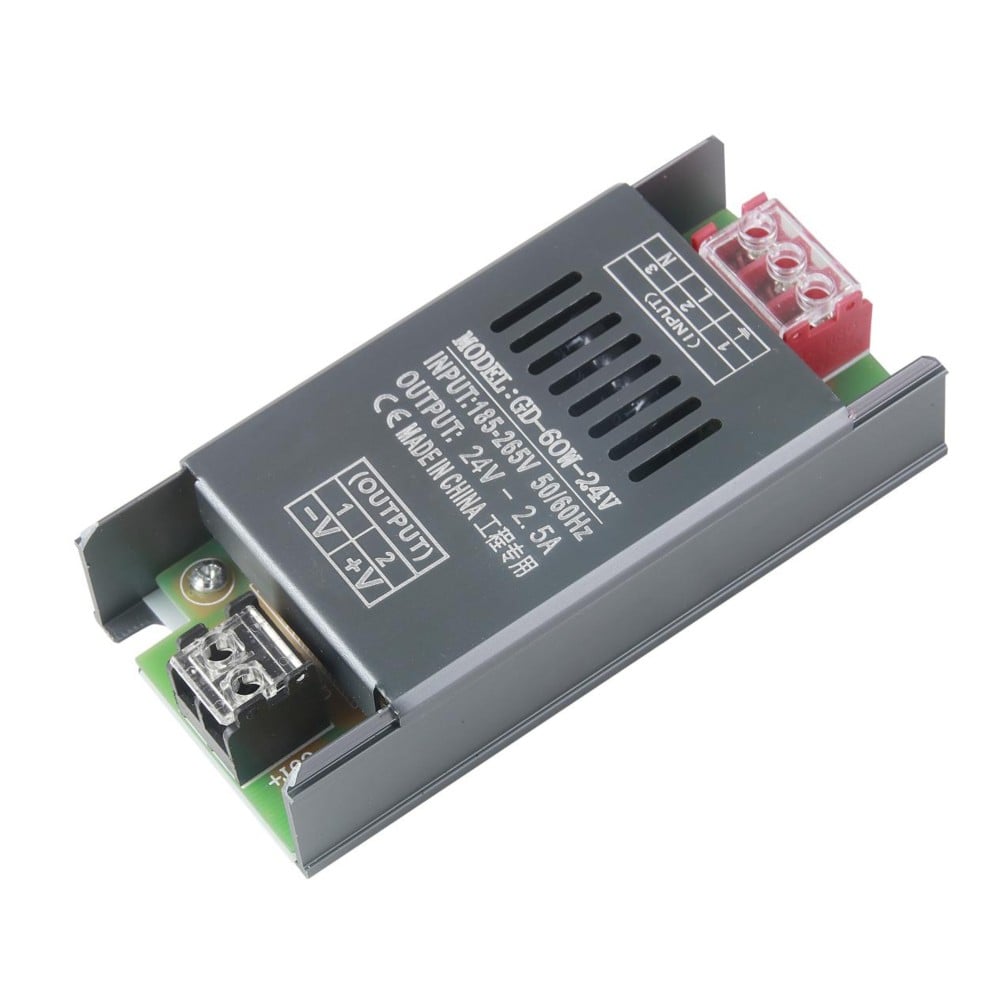
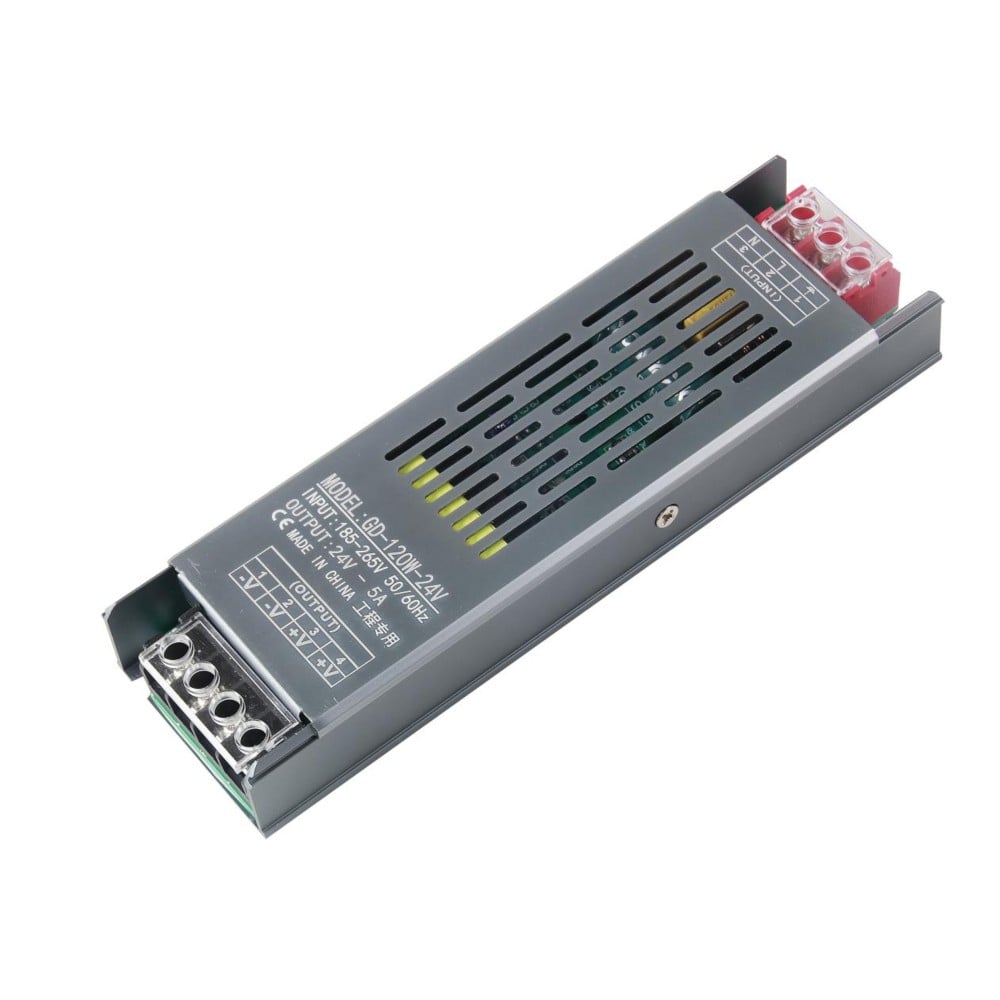
· Power supply (driver)
· Controller/dimmer
· Aluminium profiles and diffusers
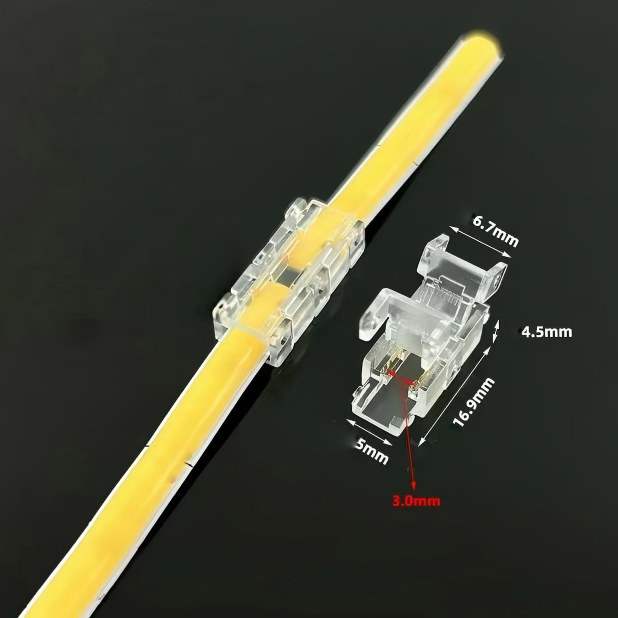
· Cables, connectors, and mounting hardware
· Shipping and handling
B. Installation Cost
· Labour (in-house or contractor)
· Tools and consumables
· Preparation work (surface cleaning, routing channels)
· Disposal of old lighting (if replacing)
C. Operating Cost
· Energy consumption (electricity)
· Dimmer and control system operation
· Cooling costs (reduced by LED's lower heat output)
D. Maintenance Cost
· Labour for cleaning and inspections
· Replacement parts (connectors, drivers)
· Downtime costs (lost business during maintenance)
E. Replacement Cost
· Early failure replacements
· End-of-life replacement (after 50,000+ hours)
· Disposal and recycling
Part 2: The TCO Formula
TCO = Purchase + Installation + (Annual Energy × Expected Life) + (Annual Maintenance × Expected Life) + Replacement Costs
For commercial projects, factor in:
· Cost of capital (interest on upfront investment)
· Inflation (energy prices typically rise)
· Tax benefits (depreciation, rebates, incentives)
Part 3: Real-World TCO Comparison
Let's compare two 10-metre installations for a retail display, running 10 hours daily, 365 days per year.
Cost Component Budget System ($) Quality System ($) Difference
Purchase 120 280 +160
Installation 150 150 0
Annual Energy 35 45 +10
Annual Maintenance 50 10 -40
Expected Life (years) 3 12 +9
Total Energy (12 yrs) 420 540 +120
Total Maintenance (12 yrs) 600 120 -480
Replacement (3×) 360 0 -360
TCO (12 years) 1,650 1,090 -560
The quality system costs 34% less over its lifetime, despite a 133% higher purchase price.
Part 4: Hidden Cost Drivers
1. Labour for Rework
Budget strips are more likely to fail or perform poorly, requiring:
· Fault diagnosis
· Replacement parts ordering
· Site visits
· Client communication
· Reinstallation
Each failure costs 2–4 hours of labour at $75–150/hour, plus travel and administrative overhead.
2. Energy Efficiency
Quality strips often achieve higher lumens per watt (lm/W). A difference of 10 lm/W across 100 metres can save hundreds in electricity over a decade.
3. Longevity
Budget strips may fail after 15,000–20,000 hours. Quality strips last 50,000+ hours. Replacement costs and disruption far outweigh the initial savings.
4. Downtime
In commercial environments, any failure means lost sales, disrupted operations, and frustrated customers. A single hour of downtime can cost a retail store hundreds or thousands in revenue.
5. Warranty Claims
Processing warranty claims consumes staff time and administrative resources. A system with fewer failures reduces this overhead.
6. Disposal Costs
Frequent replacements generate more waste, increasing disposal fees and environmental compliance costs.
7. Lighting Performance and Sales Impact
Retail studies show that improved lighting can boost sales by 5–15%. A poorly lit store loses customers and revenue – far exceeding any upfront savings from budget products.
Part 5: How to Calculate Your Project's TCO
Step 1: Define the project scope
· Total length, operating hours, expected lifespan (e.g., 50,000 hours)
Step 2: Gather quotes
· Get pricing from at least three suppliers
· Include all system components
Step 3: Estimate installation costs
· Labour rates × expected hours
· Include travel, accommodation, and subcontractor costs
Step 4: Calculate annual energy cost
· Strip wattage (W/m) × total length × hours/day × days/year × electricity rate ($/kWh)
Step 5: Estimate annual maintenance
· Cleaning: 2 hours/year
· Inspections: 1 hour/year
· Components replacement: based on warranty and reliability data
Step 6: Compare options
· Create a spreadsheet comparing TCO for each option
· Factor in expected lifespan and replacement cycles
Step 7: Include non-financial factors
· Client satisfaction
· Professional reputation
· Environmental impact (energy savings = lower carbon footprint)
Part 6: The Engineering Perspective
From a professional engineer's standpoint:
· Reliability – Cost of failure (downtime, rework, client dissatisfaction)
· Compliance – Certification costs (testing, documentation)
· System integration – Compatibility with existing controls
· Future-proofing – Adaptability for upgrades (smart controls, tunable white)
Professional Tip: When specifying LED strips for a commercial project, ask suppliers for total cost of ownership calculations. Quality suppliers can demonstrate the lifetime value of their products compared to cheaper alternatives.
Part 7: Improving TCO
Choose higher CRI and consistency
· CRI 90+ and ≤3 SDCM reduce colour shift and replacement needs
Use proper thermal management
· Aluminium profiles reduce heat, extending LED lifespan
Invest in quality drivers
· Reliable drivers reduce failure rates and ensure consistent performance
Plan for maintenance
· Include spare components and access for servicing
Use smart controls
· Scheduling and presence detection reduce energy consumption and extend lifespan
Part 8: Communicating TCO to Clients
For contractors and consultants, TCO is a powerful sales tool. When a client questions a higher quote:
1. Show the lifetime cost breakdown – not just the upfront price
2. Highlight energy savings over 5–10 years
3. Explain maintenance differences – fewer callbacks and replacements
4. Quantify downtime costs – lost sales or operational disruption
5. Emphasise warranty and support – peace of mind is worth something
Final Thoughts
The cheapest LED strip is rarely the most cost-effective. By calculating Total Cost of Ownership, you can make decisions that save money, reduce hassle, and deliver better results for your clients.
The quality system may cost more today – but it pays for itself many times over through lower energy bills, less maintenance, and longer life. And that's a calculation that makes sense for any project.
Want to compare TCO for your specific project? Our team can provide detailed lifetime cost analysis for any installation – helping you make an informed decision. Contact us for personalised calculations.
 Hot News
2026-07-24
2026-07-24
2026-07-24
2026-07-24
2026-07-24
2026-07-24
 EN
EN