LED strip lights have become the go-to solution for accent lighting, task lighting, and even primary illumination. But with so many options online, how do you separate high-quality strips from disposable ones?
1. Color Rendering Index (CRI)–The Hidden Detail
Everyone looks at lumens and color temperature. But CRI tells you how true colors appear under your light. A CRI of 80 is standard, but for retail displays or home kitchens, aim for 90+. Cheap strips often dip below 70, making reds look brown. Your photos, artwork, and merchandise will thank you.
2. Voltage Drop–Why the End Looks Dimmer
Have you installed a 10-meter strip only to find the tail end faint? That’s voltage drop. 12V strips typically suffer beyond 5 meters. For longer runs, switch to 24V or 48V strips. Alternatively, run parallel wiring or inject power midway. Smart planning saves rework.
3. LED Density–More Chips, Smoother Light
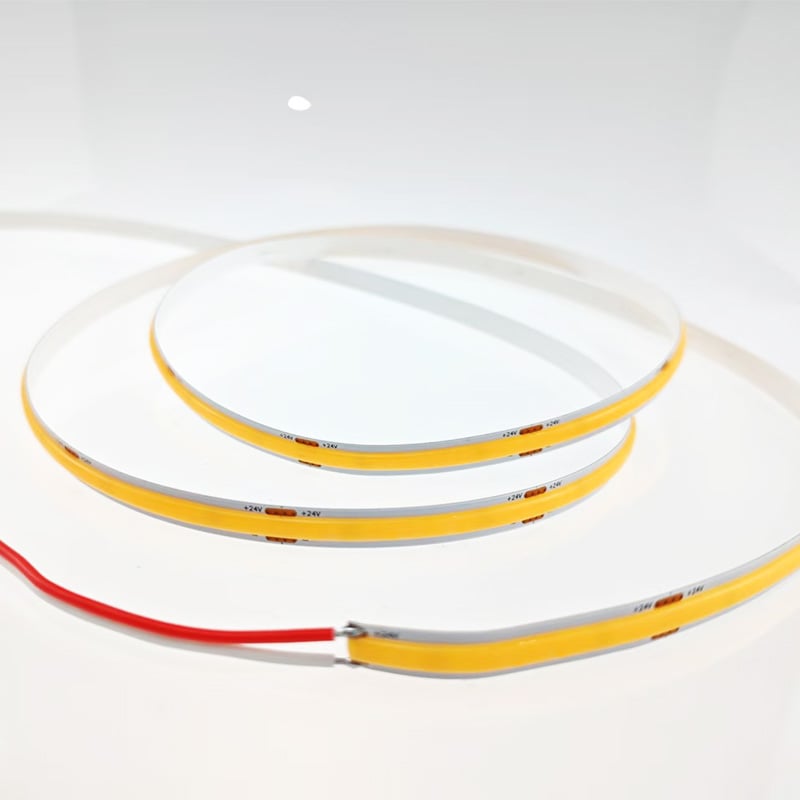
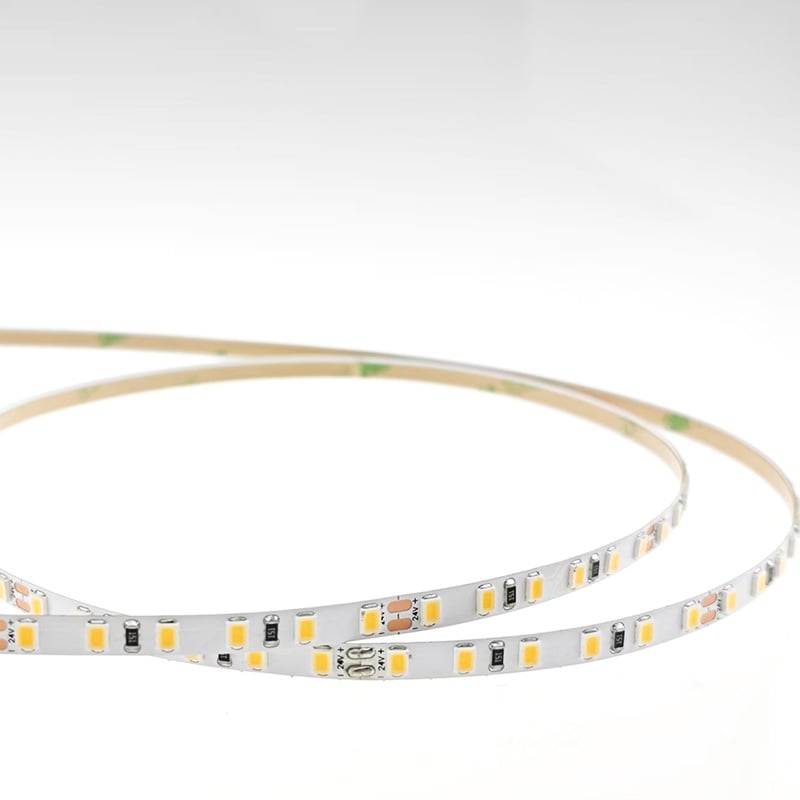
Standard density is 60 LEDs/m. But for direct-view installations (like cove lighting or floating shelves), you'll see individual bright spots. Upgrade to 120–180 LEDs/m for a seamless, continuous line of light. No more "dotted" disappointment.
4. IP Ratings–Not All Waterproofing is Equal
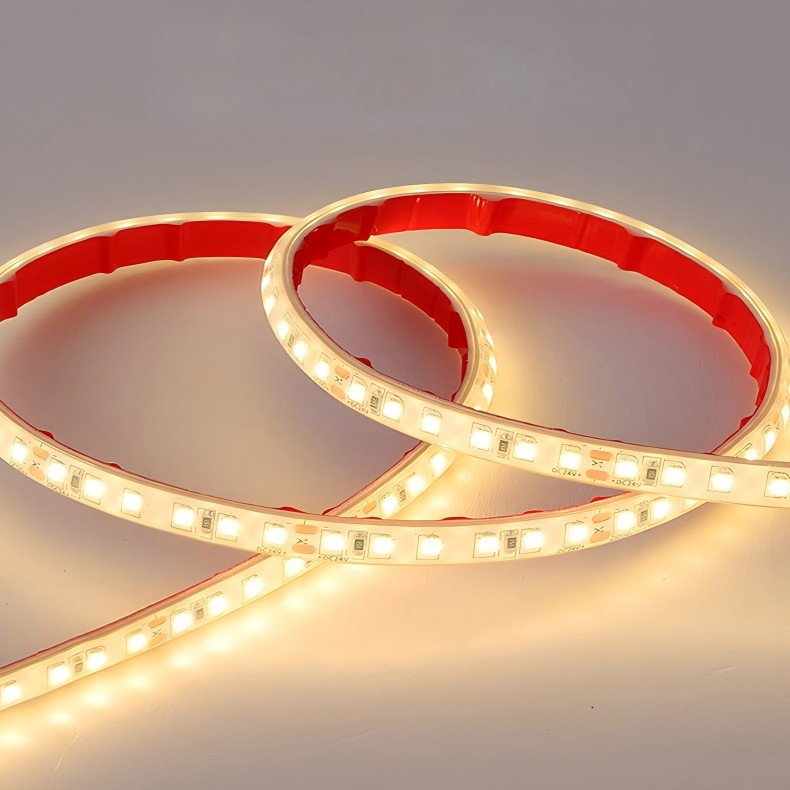
IP20 is fine for dry indoor use. IP65 (silicone coating) handles dust and splashes, but can yellow over time. IP67 (silicone tube) is fully submersible – ideal for outdoor kitchens or bathroom vanities. IP68? Overkill for most. Match the rating to your real environment.
5. Smart Controllers–Beyond the Remote
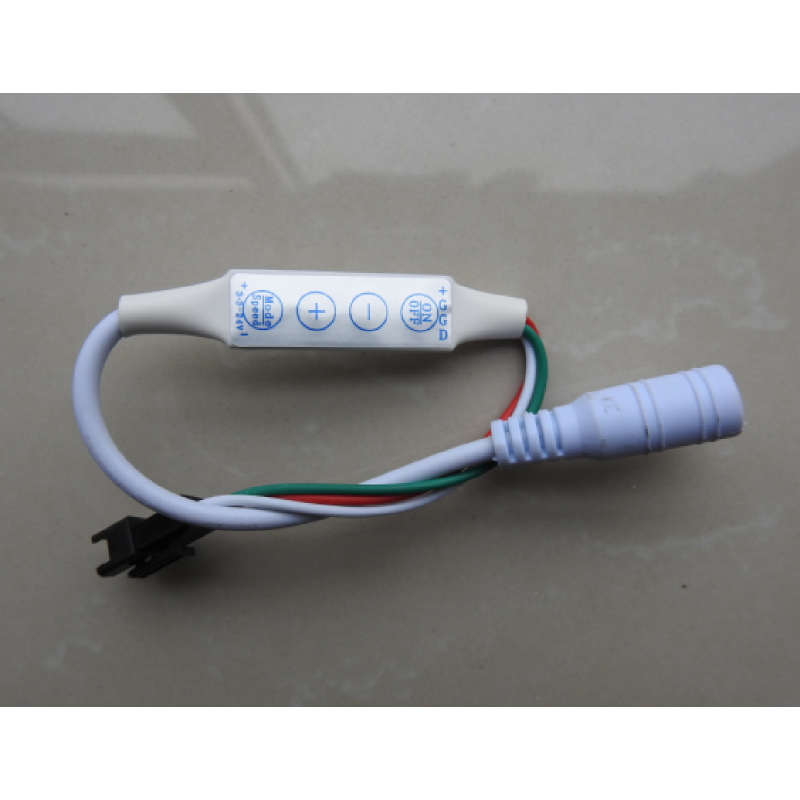
Basic strips come with an IR remote (line-of-sight required). Upgrade to RF or Bluetooth for wall-penetrating control. For full integration, choose strips with Zigbee, Wi-Fi, or DALI – these work with Alexa, Google Home, or Home Assistant. Interoperability matters if you're building a smart home ecosystem.
Pro Installation Tip
Never install strips on unaluminum surfaces without heat sinks. Even high-quality LEDs generate heat. Attach strips to aluminum channels – they act as heat spreaders, extend lifespan by 50%, and create a professional recessed look.
Conclusion
LED strip lights are more than cheap adhesive-backed lights. By understanding CRI, voltage drop, density, IP ratings, and control protocols, you’ll buy once and enjoy for years. At Teleya, we test every spec so you don’t have to.
 Hot News
2026-07-24
2026-07-24
2026-07-24
2026-07-24
2026-07-24
2026-07-24
 EN
EN