LED strip lights have evolved far beyond kitchen cabinets and bedroom coves. Today, they are a powerful design tool in commercial environments – shaping customer experiences, reinforcing brand identity, and driving operational efficiency. With the commercial LED strip market valued at over $3.1 billion in 2025 and projected to grow significantly, understanding how to leverage this technology in retail and hospitality is essential. This guide explores how LED strips are transforming these two key sectors.
Retail: Lighting That Sells
In retail, light sells. The right illumination draws attention to products, enhances colors, and influences purchasing decisions.
1.Shelf and Display Lighting
LED strips placed along the front edge of shelving create a gentle glow that highlights merchandise. For clothing retailers, warm white strips (2700–3000K) add sophistication and warmth. For jewellery or cosmetics, cool white (4000–5000K) with CRI 90+ ensures true colour representation – essential for products where colour accuracy drives sales.
2.Window Displays
Dynamic window displays capture attention and draw foot traffic. LED strips are more economical and ecologically beneficial than conventional lighting, consuming significantly less electricity. Their flexibility allows designers to create eye-catching effects that change seasonally.
3.COB for Visible Installations
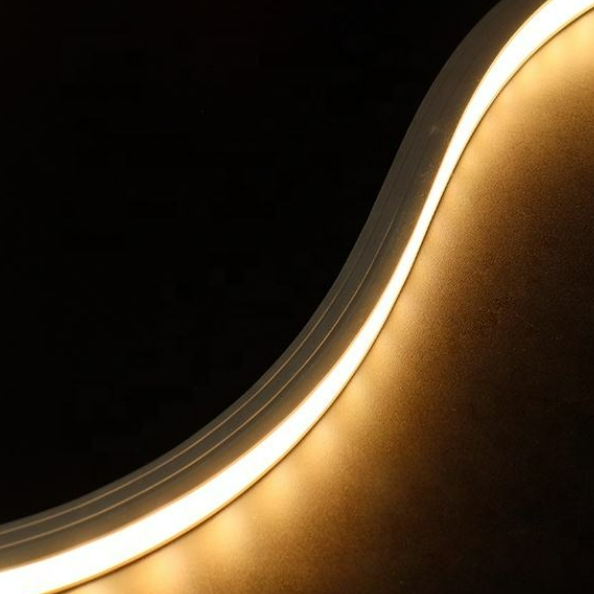
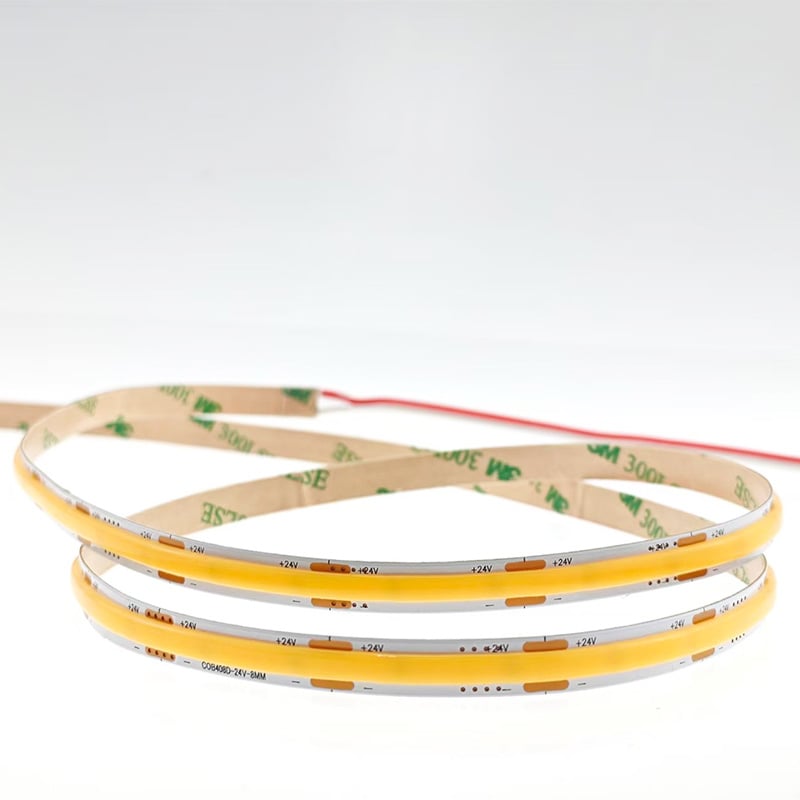
Where strips are visible – such as open shelving or glass display cases – seamless, dot‑free COB strips are ideal. The uniform phosphor coating creates a continuous line of light, delivering a premium aesthetic that reflects brand quality.
The Business Case
Effective lighting can make a retail space appear up to 30% larger and more inviting, encouraging shoppers to stay longer. A well‑executed lighting plan can increase customer dwell time by 15% – directly impacting sales. Additionally, LED lighting is approximately 80% more energy‑efficient than traditional options, significantly reducing electricity bills.
1.Hospitality: Creating Atmosphere and Experience
In hotels, restaurants, and bars, lighting defines the guest experience. LED strips enable designers to craft environments that are welcoming, luxurious, and adaptable.
2.Guest Rooms
Flush‑mounted LED strips create soft lines in rooms, while strips behind bed headboards add a floating effect and serve as gentle nightlights. Tunable white strips (2700K–6500K) allow guests to adjust lighting to their preference – warm for relaxation, cooler for reading or work.
3.Public Areas and Circulation
In lobbies and corridors, light gently guides the guest's journey. Recessed LED strips integrated into floors or walls provide discreet orientation lighting to elevators, rooms, and public areas. This creates a sophisticated, intuitive experience without visible fixtures.
4.Wellness and Spa Areas
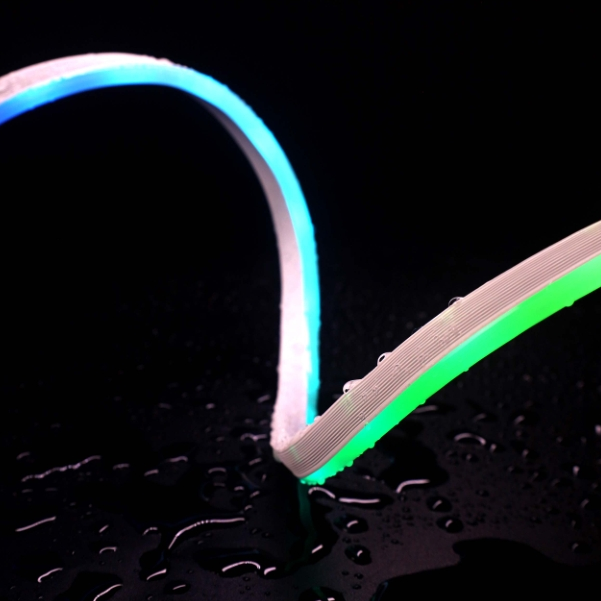
RGB lighting animates wellness areas and bathtubs, crafting a tranquil, immersive atmosphere. Colour‑changing capabilities allow spaces to transition from energising morning tones to calming evening hues.
5.Energy and Sustainability
In hospitality settings, smart‑controlled LED systems can reduce energy consumption by up to 75% compared to static lighting. Advanced drivers maintain consistent colour temperature across dimming ranges, eliminating the greenish tint that plagued early LED dimmers.
Technical Considerations for Commercial Projects
1.CRI and Colour Quality
For retail and hospitality, CRI 90+ is essential. In high‑end applications, CRI 95+ ensures true colour rendering – critical for product displays, artwork, and skin tones.
2.Colour Consistency (SDCM)
For multi‑strip installations – such as continuous runs in hotel corridors or retail shelving – specify ≤3 SDCM to avoid visible colour mismatch between reels.
3.Smart Controls and Integration
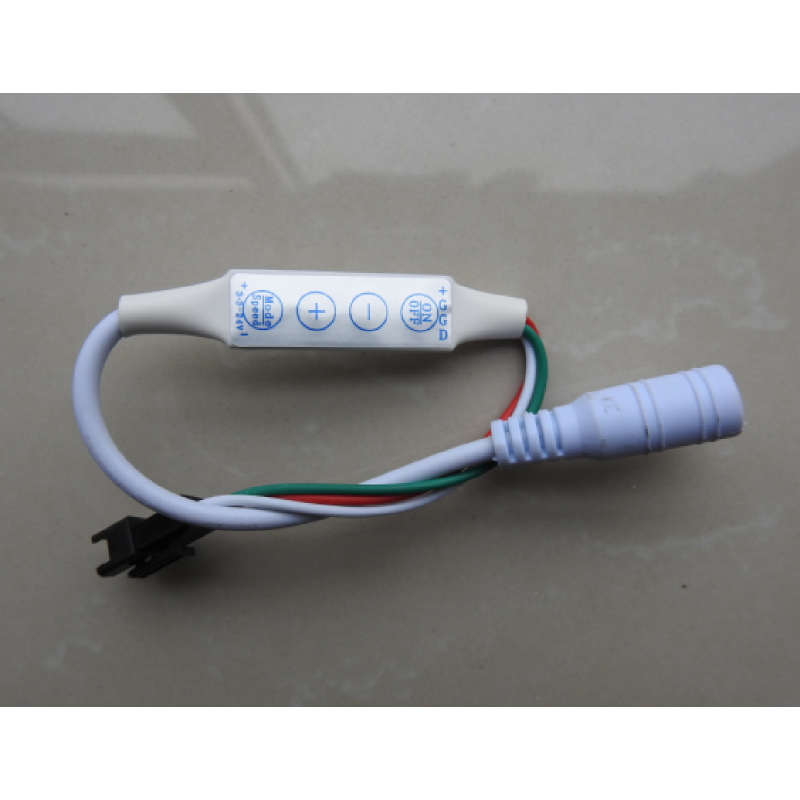
Commercial clients increasingly demand smart functionality. Bluetooth mesh or DALI‑2 systems enable granular management: tunable white strips automatically align with circadian rhythms, while motion‑triggered zoning illuminates occupied areas at full brightness while dimming unused sections. Lights can be programmed to operate at specific times and colour levels – all controlled via app or voice command.
3.Durability and Maintenance
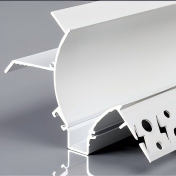
Commercial installations require robust components. Choose strips with thick PCBs (2oz+ copper), reliable connectors (soldered joints preferred), and appropriate IP ratings for the environment. Aluminium profiles provide heat dissipation and physical protection, extending lifespan beyond 50,000 hours.
Emerging Trends
1.Architectural Integration
Linear LEDs are increasingly integrated into facades, handrails, and staircases – creating "invisible" light sources that emphasise geometry rather than fixtures. This aligns with contemporary architectural language: clean lines and precision detailing.
2.Dynamic and Experiential Lighting
Buildings increasingly use programmable lighting to create identity through colour‑changing LEDs and subtle animation – particularly prominent in hospitality and retail, where lighting acts as branding.
3.Tunable and Human‑Centric Lighting
The growing adoption of tunable and dynamic white linear lighting supports circadian rhythms and occupant wellbeing – a key consideration for hotels and offices alike.
Final Thoughts
LED strip lights have become indispensable in commercial design. Whether illuminating a retail display, guiding guests through a hotel corridor, or creating a memorable dining experience, they offer flexibility, efficiency, and aesthetic impact that traditional lighting cannot match.
For specifiers and installers, success lies in choosing the right products – high CRI, consistent colour, smart controls, and durable construction – and integrating them thoughtfully into the architectural vision.
Need guidance on specifying LED strips for a commercial project? Our team provides expert advice, samples, and technical documentation for retail and hospitality applications. Contact us to discuss your requirements.
 Hot News
2026-07-24
2026-07-24
2026-07-24
2026-07-24
2026-07-24
2026-07-24
 EN
EN