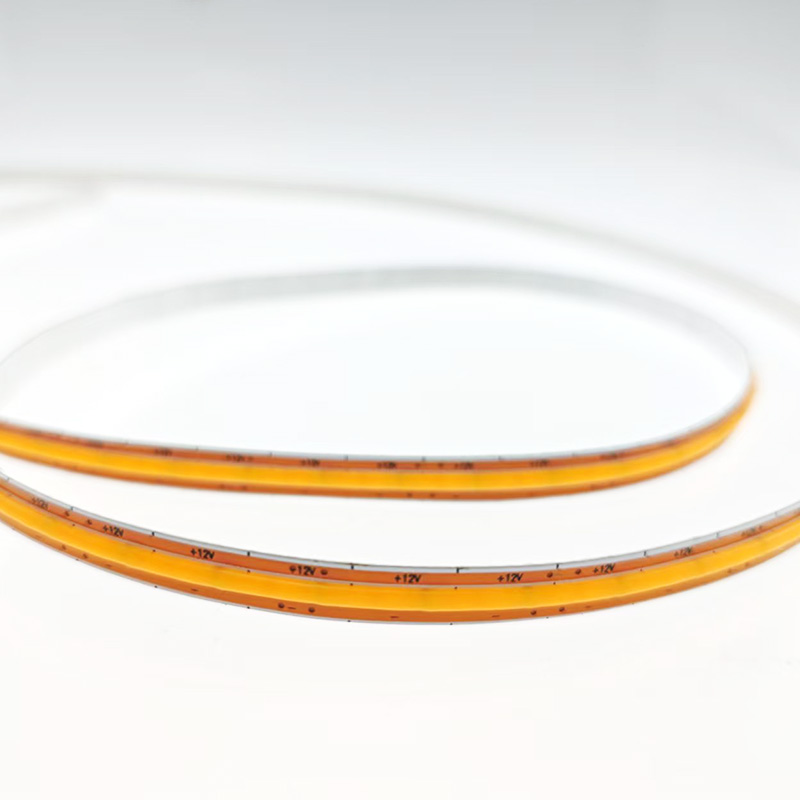
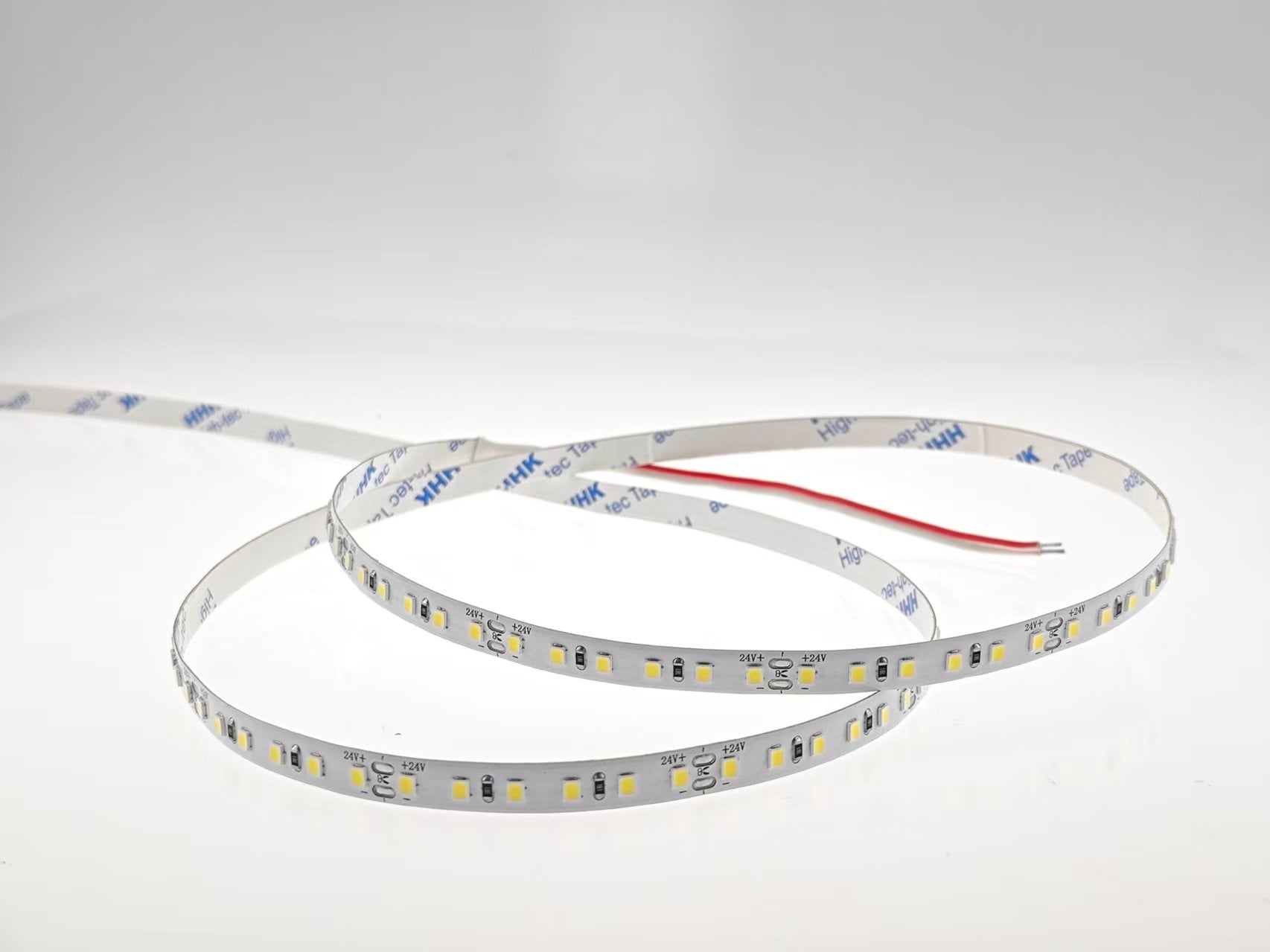
You've invested in premium LED strips—high CRI, thick copper PCBs, and quality LEDs. But how you store and handle them before installation can make or break their performance. Poor storage leads to adhesive failure, copper oxidation, and even premature LED death.
This guide covers best practices for storing, handling, and transporting LED strips—essential knowledge for installers, stockists, and anyone managing inventory.
1. Why Storage Conditions Matter
LED strips are sensitive electronic components. They can be damaged by:
· Moisture – Causes copper pad oxidation, leading to poor solderability and connection failures.
· Static electricity – Can damage LED chips, especially if handled without proper grounding.
· Physical stress – Bending too tightly or stacking heavy objects on reels can crack PCBs.
· Temperature extremes – Heat degrades adhesive and phosphor; cold makes PCBs brittle.
· UV exposure – Sunlight can yellow silicone coatings and weaken adhesives.
Proper storage extends shelf life and ensures your strips perform as specified.
2. Ideal Storage Environment
Parameter Recommended Range
Temperature 15°C – 30°C (59°F – 86°F)
Relative Humidity 30% – 60% (non-condensing)
UV Exposure Avoid direct sunlight
Ventilation Good air circulation
Floor / Surface Clean, dry, non-conductive
Pro tip: Use a hygrometer to monitor humidity in your storage area. For long-term storage (over 6 months), consider placing desiccant packs inside sealed bags.
3. ESD (Electrostatic Discharge) Protection
LED chips are static-sensitive. A tiny static discharge from your finger can damage or weaken them without visible signs—leading to premature failure later.
Best practices:
· Store strips in anti-static bags (the grey/silver metallised type).
· Handle strips on an ESD-safe workbench or use a wrist strap.
· Avoid handling strips in carpeted areas or during dry winter months.
· If no ESD gear is available, touch a grounded metal object before handling.
4. Proper Coiling and Winding
Many strips are supplied on reels. When unrolling or re-coiling:
· Never fold or crease the strip—this damages the copper traces.
· Coil loosely with a diameter of at least 150mm (6 inches) for SMD strips, and 200mm for COB strips.
· Avoid sharp kinks—use a gentle curve, not a 90° fold.
· For custom cut lengths, roll them into figure‑eight loops to prevent twisting.
Do not stack heavy boxes on top of coiled strips—the pressure can crack the PCB or damage LEDs.
5. Adhesive Backing Protection
The 3M tape or acrylic adhesive on the strip's back is sensitive to:
· Dust and dirt – Keep the release liner (the paper backing) intact until installation.
· Heat – Temperatures above 40°C can soften the adhesive and cause it to "flow," reducing bond strength.
· UV – Prolonged sunlight can degrade acrylic adhesives.
Storage tip: Keep strips in their original packaging until use. If you cut strips, cover the exposed adhesive with the release liner or a protective paper to prevent contamination.
6. Humidity and Copper Oxidation
Moisture is the enemy of copper pads. Oxidation creates a non‑solderable surface and increases resistance.
Signs of oxidation: Dark, dull, or greenish copper pads instead of bright, shiny copper.
Prevention:
· Store strips in sealed moisture‑barrier bags (with desiccant) for long‑term storage.
· For humidity above 60%, use a dehumidifier in the storage area.
· If pads are lightly oxidised, gently clean them with isopropyl alcohol and a fine brush before soldering.
7. Shelf Life Guidelines
Storage Condition Estimated Shelf Life
Original sealed bag, controlled environment 12–24 months
Original sealed bag, uncontrolled room 6–12 months
Opened, re‑sealed with desiccant 3–6 months
Opened, no protection 1–3 months (adhesive degradation faster)
First‑In, First‑Out: Always use older stock first to avoid exceeding shelf life. Label each reel with the receipt date.
8. Handling During Installation
Even after proper storage, careful handling during installation is crucial:
· Support the strip when unrolling—don't let it dangle by its own weight, which can stress the PCB.
· Avoid pulling on the wire connections—hold the strip body, not the wires.
· Use the correct tools – Sharp scissors or a craft knife for cutting; a suitable soldering iron with temperature control (under 350°C).
· Clean surfaces before applying adhesive—dirt and grease reduce bond strength.
9. Transporting LED Strips
For mobile installers or shipping to customers:
· Pack strips flat or in large‑diameter coils – never fold.
· Use rigid cardboard tubes or boxes to prevent crushing.
· Protect from moisture with sealed plastic bags and desiccant.
· Avoid extreme temperatures in vehicle cabins or cargo holds—don't leave strips in a hot car for hours.
10. Common Storage Mistakes
Mistake Consequence Prevention
Storing in damp basement Copper oxidation, pad corrosion Use dehumidifier; seal in moisture‑barrier bags
Coiling too tightly PCB cracks, broken traces Minimum coil diameter 150mm
Removing adhesive liner too early Dust contamination, weak bond Leave liner on until installation
Stacking heavy items on reels Crushed LEDs, damaged PCB Store reels upright or flat with no weight on top
Exposing to sunlight Yellowing, adhesive failure Store in opaque containers or dark area
Handling without ESD protection Latent LED damage Use ESD straps or grounded surfaces
11. Testing Stored Strips Before Use
If a strip has been stored for several months, test it before installation:
· Visual inspection – Check for discolouration, pad oxidation, or physical damage.
· Continuity test – Use a multimeter to verify there's no open circuit.
· Power test – Connect to a driver and check brightness and colour uniformity across the length.
· Adhesive test – Stick a small section to a clean surface and check peel strength.
12. Disposal of Old or Damaged Strips
LED strips contain electronic components and should not be disposed of in general waste.
· Follow local e‑waste regulations.
· Consider recycling programmes for copper and other materials.
Final Thoughts
Proper storage and handling are often overlooked but are essential to preserving the performance and reliability of LED strips. A few simple practices—keeping them dry, protected from static, and coiled correctly—can extend shelf life significantly and prevent installation failures.
For installers, this means fewer call‑backs. For stockists, it means less waste and higher customer satisfaction. For homeowners, it ensures your strips arrive ready to perform as expected.
Every LED strip we ship is individually sealed in anti‑static, moisture‑barrier bags with desiccant. Our packaging is designed to protect your investment from warehouse to installation. Order with confidence—we care about quality from factory to finish.
 Hot News
2026-07-24
2026-07-24
2026-07-24
2026-07-24
2026-07-24
2026-07-24
 EN
EN