In an era of increasing environmental awareness, every purchasing decision carries weight. As consumers and businesses seek to reduce their carbon footprint, LED strip lights have emerged as a clear winner in sustainable lighting. But what makes them truly "green," and how can you maximise their environmental benefits?
This guide explores the full environmental lifecycle of LED strips—from manufacturing and energy consumption to disposal and recycling.
1. Energy Efficiency: The Biggest Environmental Win
The most significant environmental benefit of LED strips is their energy efficiency. Compared to traditional lighting, they consume a fraction of the electricity for the same light output.
Lighting Type Watts per Metre (Typical) Annual Energy Use (10m, 8hrs/day) CO₂ Emissions (Annual)
Halogen strip 30W 876 kWh 438 kg CO₂
Fluorescent tube 18W 525 kWh 262 kg CO₂
LED strip (SMD) 8W 234 kWh 117 kg CO₂
LED strip (COB, high efficiency) 10W 292 kWh 146 kg CO₂
Based on global average grid emission factor of ~0.5 kg CO₂/kWh.
The saving: A 10-metre LED strip saves up to 321 kg of CO₂ per year compared to halogen—equivalent to planting 15 trees annually. For commercial installations with hundreds of metres, the impact is substantial.
2. Long Lifespan: Less Waste, Fewer Replacements
LED strips typically last 50,000 hours—over 17 years at 8 hours per day. Compare this to:
· Halogen: 2,000 hours (replace every 8 months)
· Fluorescent: 10,000 hours (replace every 3.4 years)
Waste reduction:
· Over 17 years, you'd dispose of 25 halogen strips or 5 fluorescent tubes—but only 1 LED strip.
· Fewer replacements mean less manufacturing impact, less packaging waste, and fewer transportation emissions.
This longevity makes LED strips a cornerstone of the circular economy—products designed to last, reducing the cycle of consumption and disposal.
3. Material Composition: What's Inside Matters
LED strips contain materials that can be recycled or are less harmful than older lighting technologies:
· No mercury – Unlike fluorescent tubes, LED strips contain zero mercury, eliminating hazardous waste disposal concerns.
· Copper and aluminium – Both are highly recyclable materials with established recycling streams.
· Silicone and PCBs – While less recyclable, they are inert and don't leach toxins.
But be aware: Some low-quality strips use PVC insulation (which is harder to recycle) and contain lead-based solder (banned in RoHS-compliant products). Always choose RoHS-compliant strips to avoid hazardous substances.
4. RoHS and REACH Compliance: Protecting People and Planet
As covered in our certification guide, RoHS restricts hazardous substances like lead, mercury, and cadmium. REACH requires manufacturers to register and disclose chemical use.
Choosing RoHS/REACH-compliant products ensures:
· No toxic materials in manufacturing or disposal.
· Safer working conditions in factories.
· Reduced environmental contamination at end-of-life.
Our commitment: Every strip we supply is RoHS and REACH-compliant, backed by third-party test reports.
5. Reduced Light Pollution
Light pollution—excessive or misdirected artificial light—harms wildlife, disrupts ecosystems, and wastes energy. LED strips, when properly specified, can reduce light pollution:
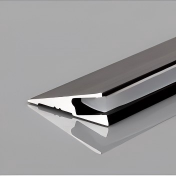
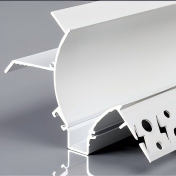
· Use shields or aluminium profiles to direct light precisely where needed.
· Choose warm colour temperatures (2700–3000K) for outdoor installations—they are less disruptive to nocturnal wildlife.
· Use motion sensors and timers to ensure lights are only on when needed.
LED strips are inherently directional, emitting less wasted upward light than traditional fixtures.
6. Sustainable Manufacturing Practices
The environmental footprint of LED strips depends on how they're made. Consider these factors when choosing a supplier:
Key questions to ask:
· Does the factory use renewable energy in manufacturing?
· Is waste recycling implemented in production (e.g., copper scrap, PCB waste)?
· Are water-based cleaning processes used instead of chemical solvents?
· Does the supplier have ISO 14001 (environmental management) certification?
Our approach: We partner with manufacturers committed to green production, including solar-powered facilities and closed-loop water systems.
7. Recycling and End-of-Life Management
LED strips should never go to landfill. Here's how to recycle them responsibly:
· Copper and aluminium – These can be stripped from the PCB and recycled.
· PCBs – Specialised e-waste recyclers recover precious metals and fibre-glass.
· Silicone coatings – Some facilities can process silicone, though it's less common.
What you can do:
· Return used strips to suppliers with take-back programmes (we offer this for bulk orders).
· Use certified e-waste recyclers.
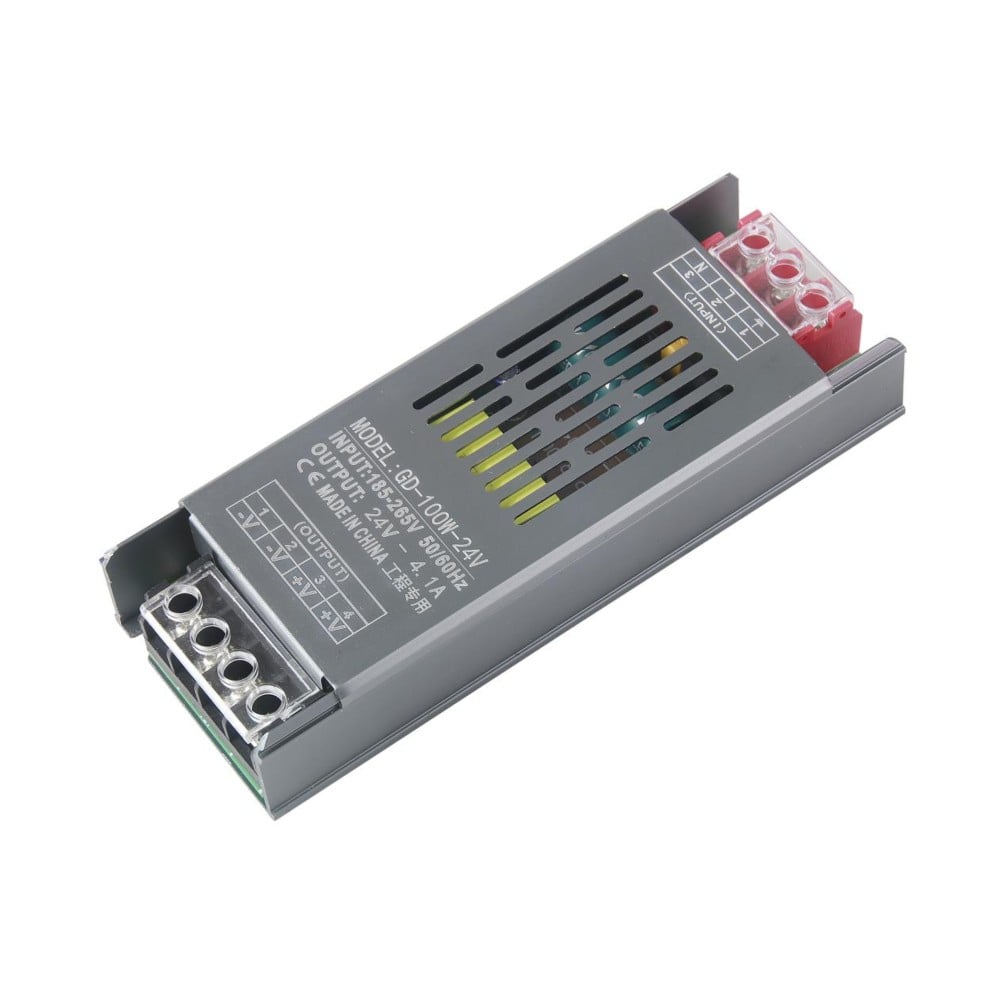
· Separate the power supply (driver) from the strip—drivers are highly recyclable.
8. Packaging and Transportation Footprint
Lightweight and compact, LED strips have a lower shipping footprint than bulky traditional fixtures:
· 10 metres of LED strip weighs less than 500g—far less than equivalent fluorescent or halogen fixtures.
· Compact packaging means more products per shipping container, reducing transportation emissions per unit.
Pro tip: Choose suppliers who use minimal, recyclable packaging and avoid single-use plastics. We ship in cardboard boxes with biodegradable padding.
9. Smart Controls for Extra Savings
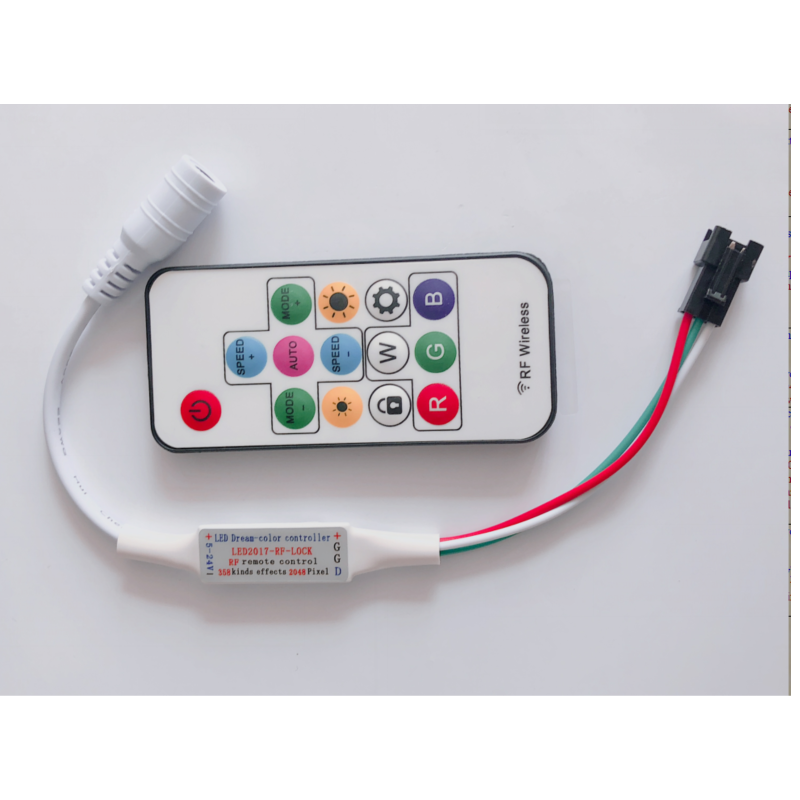
Smart controls amplify the environmental benefits:
· Scheduling – Lights turn off automatically when not needed, eliminating wasted energy.
· Motion sensors – Lighting only activates when people are present.
· Daylight harvesting – Strips dim automatically when natural light is abundant.
· Remote monitoring – Track energy usage and identify inefficiencies.
10. Green Building Certifications
LED strips contribute to green building certifications:
· LEED – Credits for energy efficiency, light pollution reduction, and use of low-emission materials.
· BREEAM – Recognises energy-efficient lighting and sustainable procurement.
· WELL Building Standard – Focuses on human health, including circadian lighting.
Specifying high-quality, certified LED strips helps architects and developers achieve these goals.
11. What You Can Do as a Buyer
Here's your checklist for making the most sustainable LED choice:
· Choose high-efficiency strips (≥ 100 lm/W).
· Select long-life products (50,000+ hours, L70 rating).
· Demand RoHS and REACH compliance.
· Look for recyclable packaging.
· Ask about the manufacturer's environmental policies.
· Plan for proper disposal or recycling at end-of-life.
· Use smart controls to avoid energy waste.
· Buy durable, repairable designs rather than disposable ones.
Final Thoughts
LED strip lights are already one of the most environmentally friendly lighting options available. But by choosing quality products, using smart controls, and ensuring proper disposal, you can make your installation even greener.
Every metre of LED strip installed is a step away from energy-hungry, mercury-containing alternatives. It's a small choice with a significant collective impact—on your energy bills, your carbon footprint, and the planet we share.
We're committed to sustainability across our entire product range—from RoHS-compliant materials to recyclable packaging and a factory take-back programme. Join us in lighting the world responsibly. Explore our eco-conscious collection today.
 Hot News
2026-07-24
2026-07-24
2026-07-24
2026-07-24
2026-07-24
2026-07-24
 EN
EN