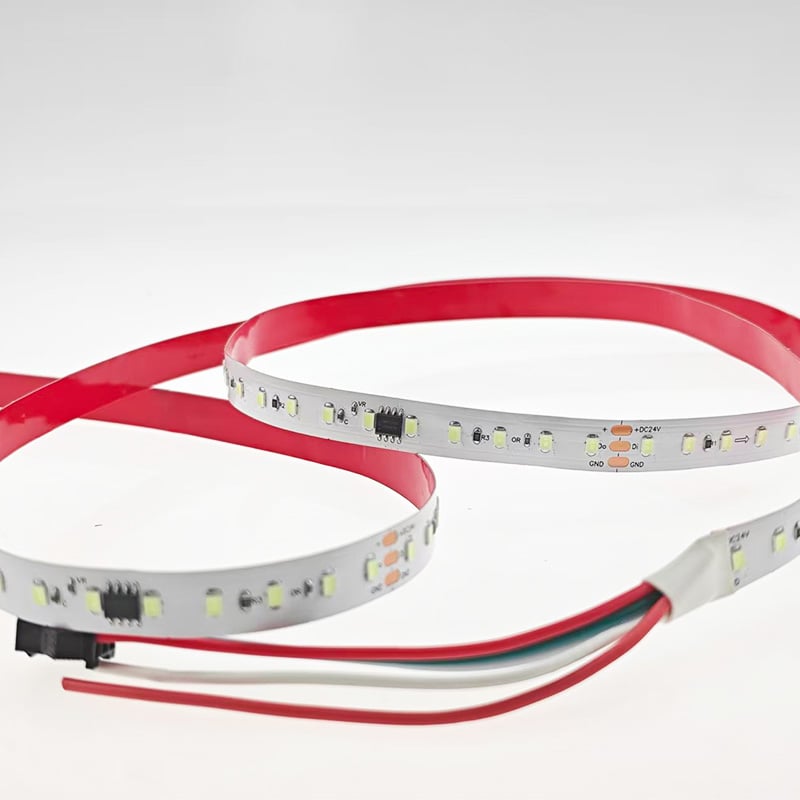
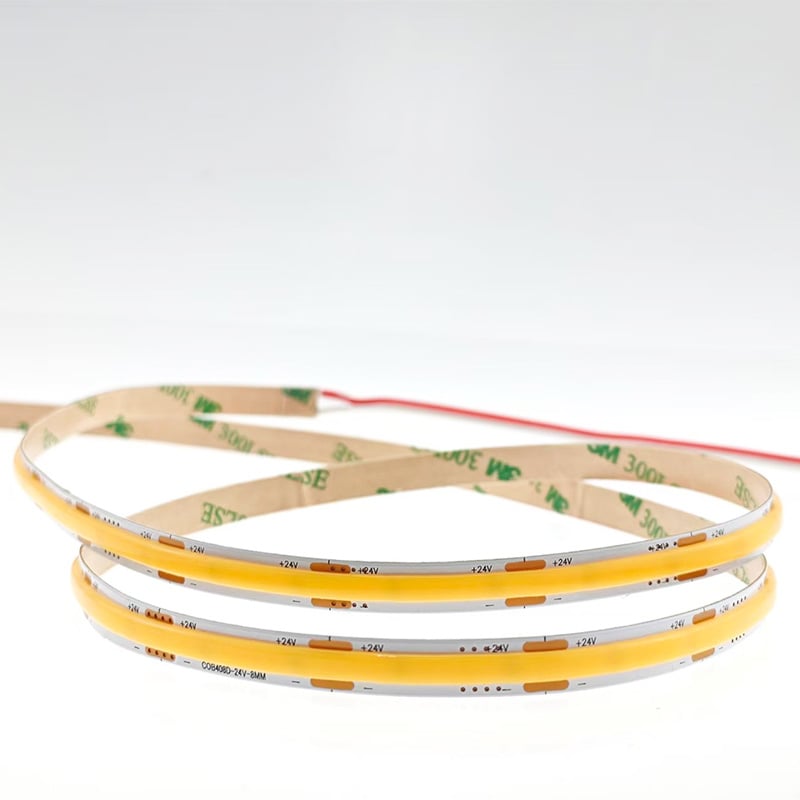
You've invested in premium LED strips, but did you know that a tiny, invisible spark from your finger can damage them permanently? Electrostatic discharge (ESD) is one of the most common and overlooked causes of LED failure—yet it's entirely preventable.
This guide explains what ESD is, how it damages LED strips, and how to protect your investment.
What Is Electrostatic Discharge?
ESD is the sudden flow of electricity between two objects with different electrical charges. You've experienced it when touching a doorknob after walking on carpet—that small zap can carry up to 15,000 volts.
For sensitive electronic components like LED chips, even discharges as low as 30–50 volts can cause damage. While you may not feel a spark below 3,000 volts, your LEDs can still be affected.
How ESD Damages LED Strips
ESD damage falls into two categories:
Catastrophic failure – The LED fails immediately. It may flicker, dim, or stop working altogether. This is obvious and easy to identify.
Latent damage – This is more dangerous. The LED is weakened but still functions—for weeks or months. Then it fails prematurely, often without warning. This type of failure is difficult to diagnose and often blamed on poor manufacturing, when improper handling was the real cause.
Symptoms of latent damage include:
· Unexplained colour shift
· Gradual dimming over time
· Intermittent flickering
· LEDs failing in groups
Common ESD Sources in Everyday Environments
Activity Typical Voltage
Walking on synthetic carpet Up to 15,000V
Walking on vinyl flooring Up to 5,000V
Removing plastic packaging Up to 10,000V
Unrolling LED strips Up to 6,000V
Sitting on a plastic chair Up to 18,000V
Even "small" discharges below your detection threshold can damage LEDs.
ESD Protection During Storage
Proper storage is your first line of defence:
Anti-static bags – Store LED strips in grey/silver metallised anti-static bags. These dissipate static charges safely. Never use standard plastic bags—they generate static.
Avoid Styrofoam – Polystyrene foam is highly static-generating. Use anti-static foam or cardboard instead.
Label clearly – Mark storage areas with "ESD-Sensitive" warnings for staff and visitors.
ESD Protection During Handling
Before touching any LED strip:
· Wear an ESD wrist strap connected to a grounded surface.
· If you don't have one, touch a grounded metal object (e.g., a water pipe or unpainted metal door frame) for at least 5 seconds.
· Work on an ESD-safe mat with grounding connections.
During installation:
· Handle strips by the edges or the PCB, not the LED chips themselves.
· Avoid sliding strips across plastic or synthetic surfaces.
· Keep the strip on its anti-static reel until ready to cut or solder.
ESD-Safe Workstation Setup
For professional installers or batch processing, invest in a basic ESD-safe setup:
· ESD mat – Covers the work surface and drains static safely (requires grounding wire).
· ESD wrist strap – Worn on your wrist and clipped to the mat or ground point.
· Grounding plug – Connects your mat and wrist strap to a grounded electrical outlet (use only a properly wired outlet).
· Anti-static tweezers and tools – Avoid metal tools that can build charge.
The total investment for a basic ESD workstation is under $50—a tiny cost compared to replacing damaged strips.
ESD and Soldering
Soldering requires extra caution:
· Use a grounded soldering iron – Many irons are ESD-safe, but cheap ones may leak voltage. Test with a multimeter or buy a certified ESD-safe iron.
· Avoid static-generating materials – Use anti-static brass wool for tip cleaning, not wet sponges (which can cause thermal shock and static).
· Keep the strip on an ESD mat while soldering, even for small joints.
ESD Protection During Shipping
When sending strips to customers or between job sites:
· Package in anti-static bags – Always.
· Add bubble wrap or foam padding for physical protection—shipping vibration can generate triboelectric (friction) static.
· Avoid polystyrene peanuts – Use crumpled paper or recyclable cardboard inserts.
Testing for ESD Damage
If you suspect ESD damage, look for:
· Visual signs – Dark spots, cracks, or discolouration on LED chips (requires magnification).
· Electrical tests – Use a multimeter to check forward voltage and current draw. A damaged LED may show unusual readings.
· Functional tests – Run the strip at full power for 24–48 hours. ESD-weakened LEDs often fail during burn-in.
A Quick Checklist for Installers
· Anti-static bags used for storage and transport
· ESD wrist strap worn during handling
· ESD mat used as work surface
· Grounded soldering iron for all connections
· Avoid handling in carpeted areas
· Avoid plastic packaging near strips
· Ground yourself before every strip touch
Final Thoughts
ESD is invisible, silent, and often misunderstood. But its effects are real—costing installers and buyers thousands in premature failures, rework, and reputation damage.
The good news? ESD protection is simple, inexpensive, and highly effective. A few basic precautions can dramatically extend the life of your LED installations.
We take ESD seriously. Every strip we ship is packaged in certified anti-static bags, and our warehouse follows ESD-safe protocols. When you buy from us, you're not just buying quality—you're buying peace of mind.
Protect your investment. Browse our premium LED strips, each shipped in anti-static packaging with full ESD handling guidelines included.
 Hot News
2026-07-24
2026-07-24
2026-07-24
2026-07-24
2026-07-24
2026-07-24
 EN
EN